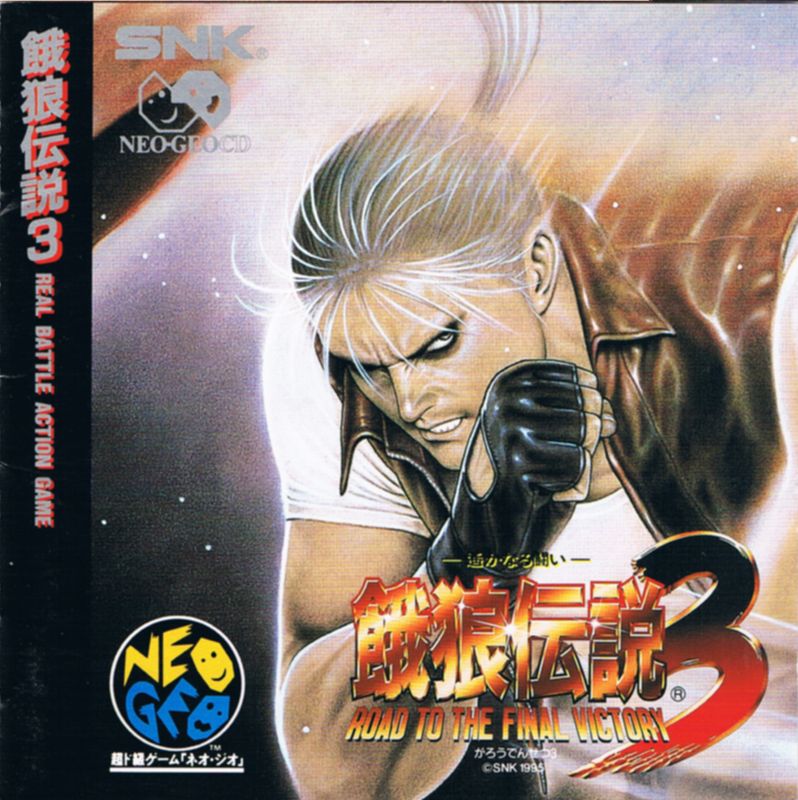
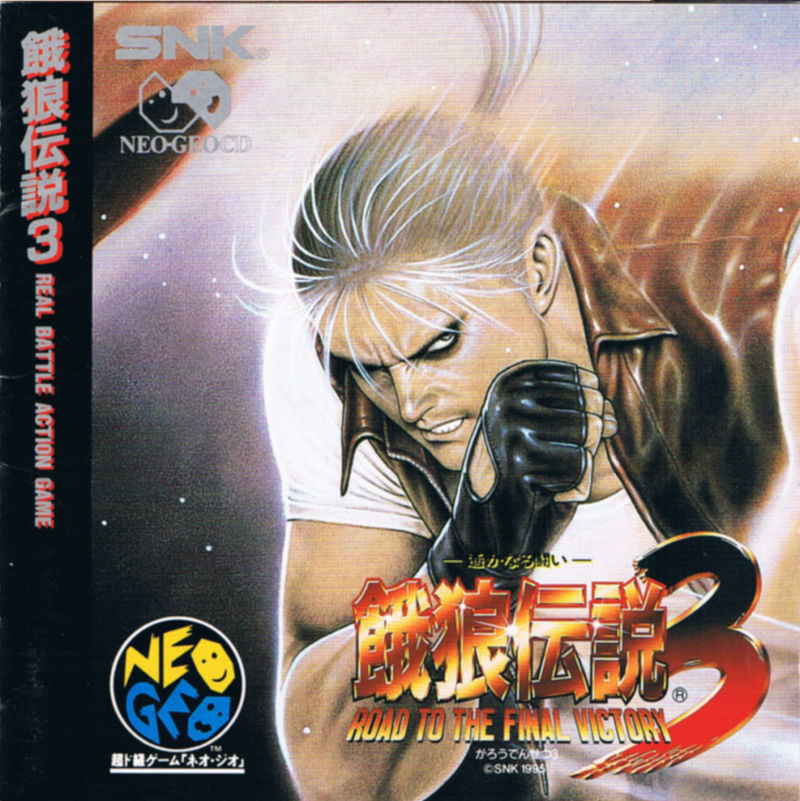
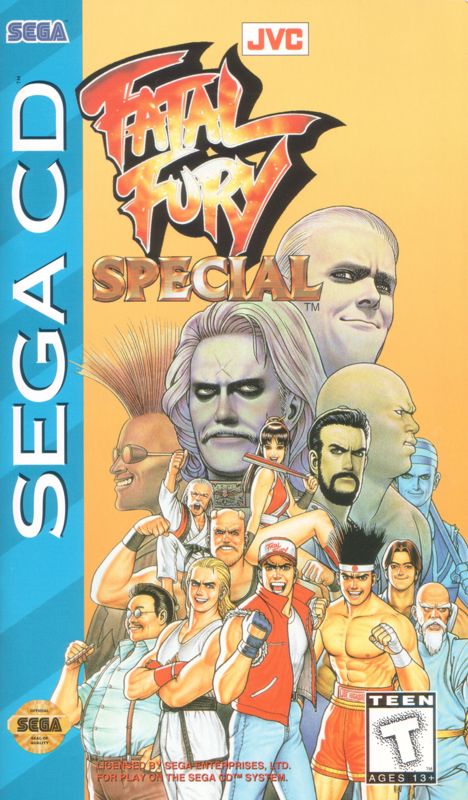
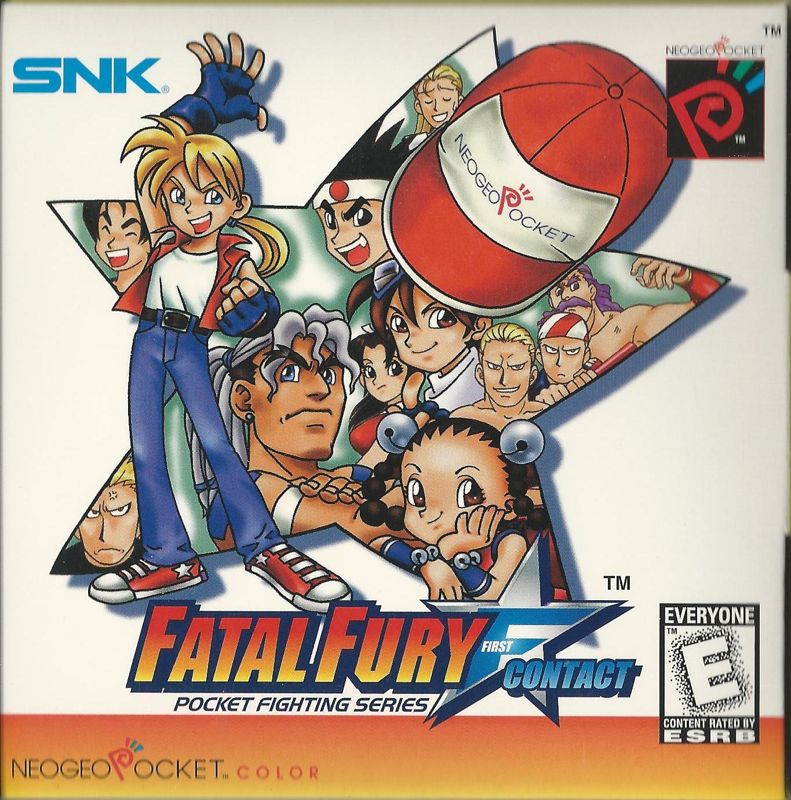
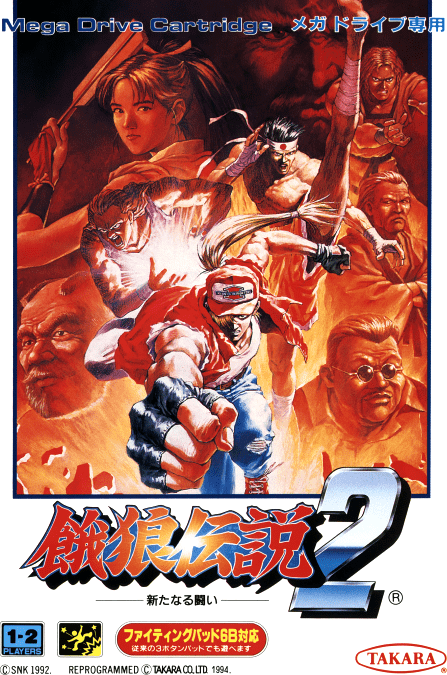
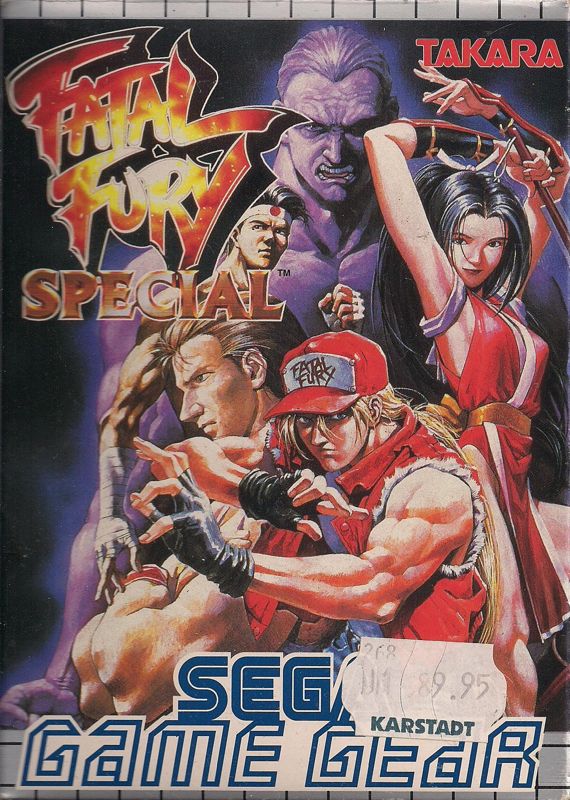
The Fatal Fury series is a cornerstone of SNK's fighting game lineup, beginning with the release of Fatal Fury: King of Fighters in 1991. The franchise expanded with major sequels including Fatal Fury 2 and Fatal Fury 3: Road to the Final Victory, introducing iconic characters like Terry Bogard and Mai Shiranui. The series is known for its unique multi-lane playing fields and deep lore connected to the Art of Fighting and King of Fighters franchises.
The franchise's early evolution is marked by rapid successive releases and home console ports. Following the initial arcade launch of
Fatal Fury (1991), the game was ported to various home systems, resulting in
Fatal Fury (1992) and
Fatal Fury (1993) for platforms like the Super Nintendo Entertainment System and Sega Genesis. These iterations refined the lane-shifting combat mechanics and introduced cooperative two-on-one battles against computer-controlled opponents.
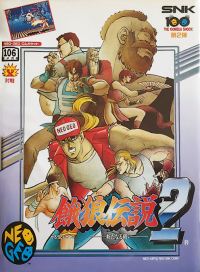
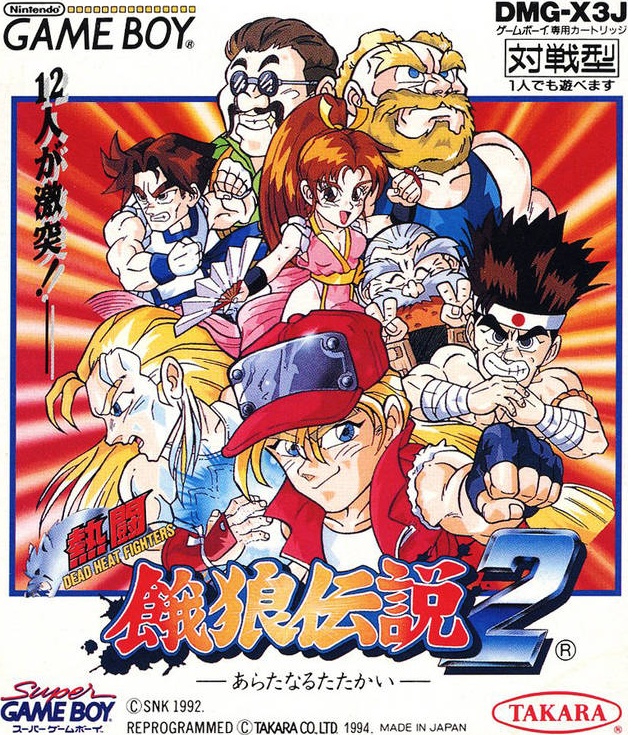
The competitive framework expanded significantly with
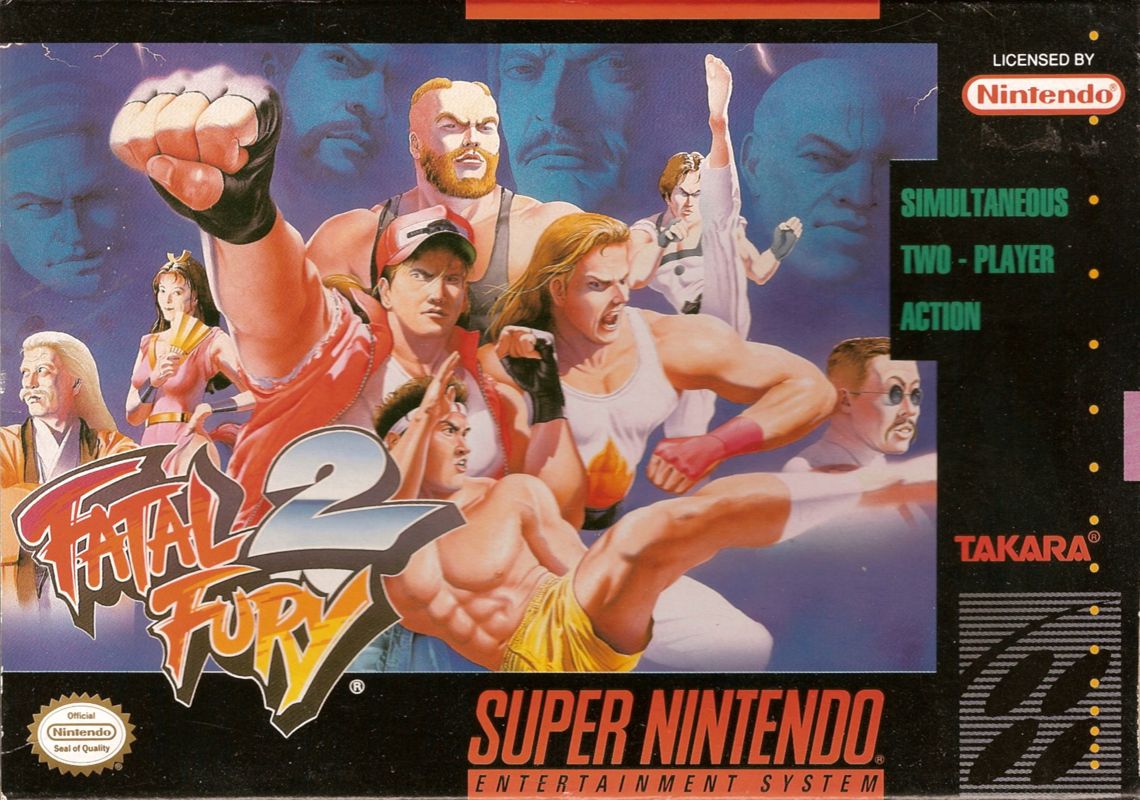
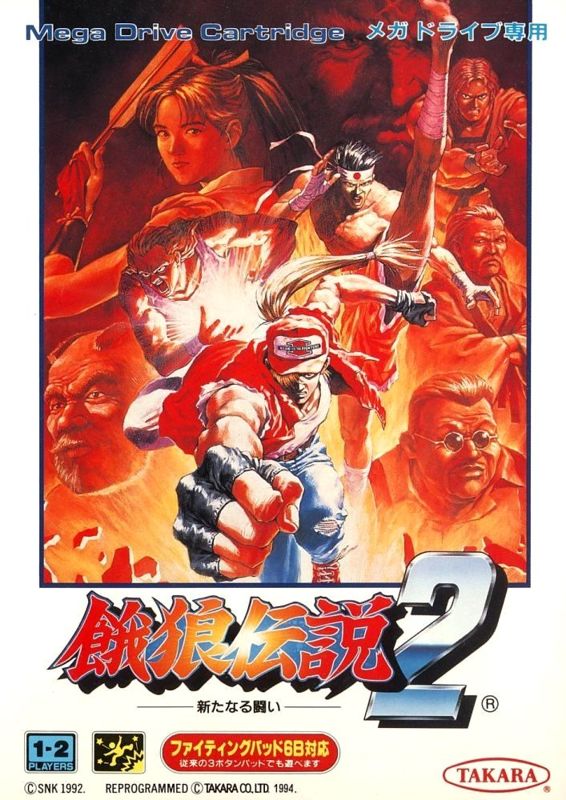
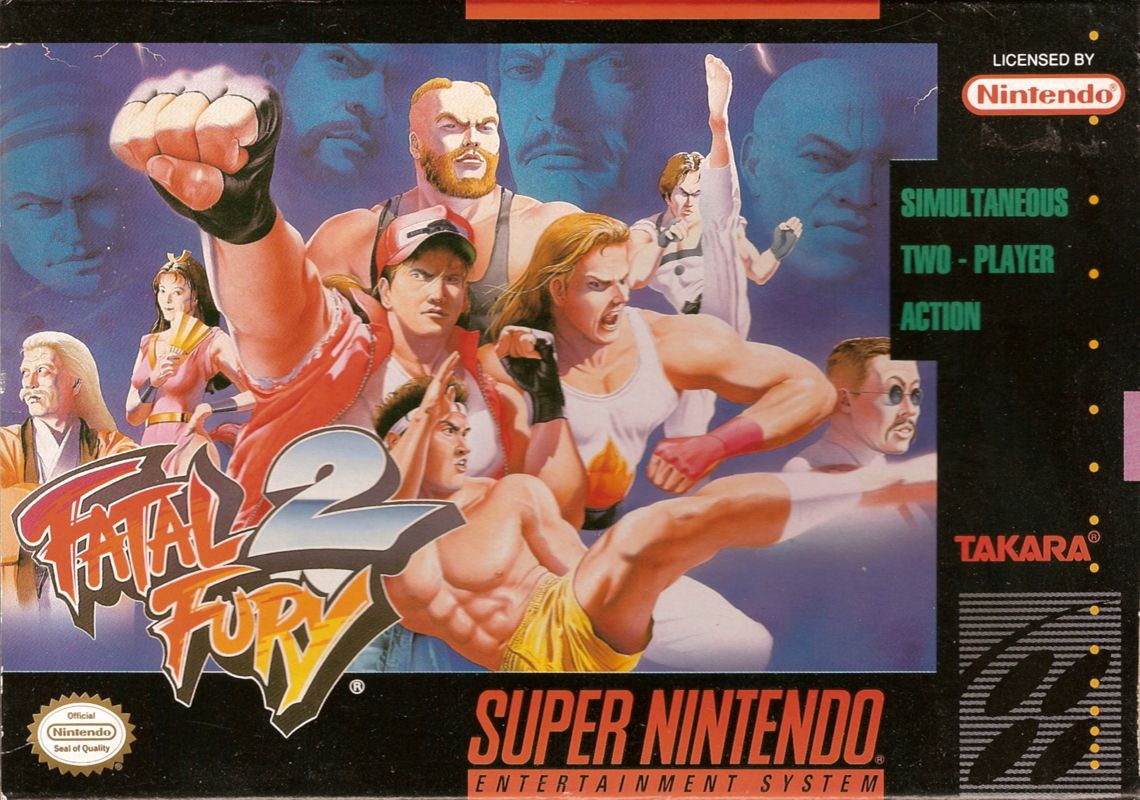
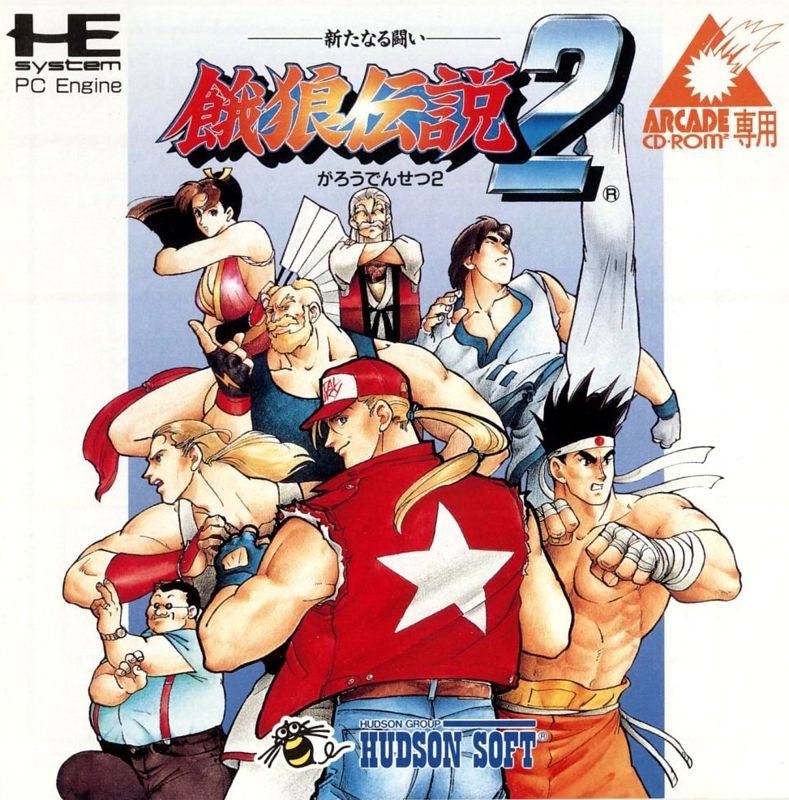
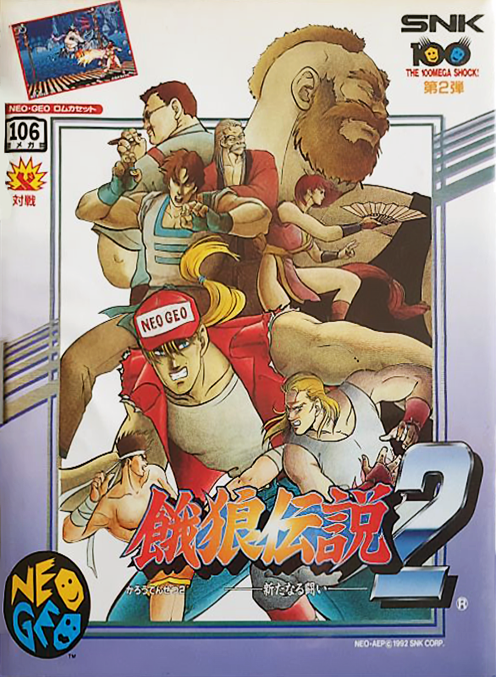
Fatal Fury 2 (1993), which introduced the "Desperation Move" mechanic—powerful attacks usable only when a fighter's health was critically low. This entry also standardized the eight-character playable roster. Further mechanical experimentation occurred in
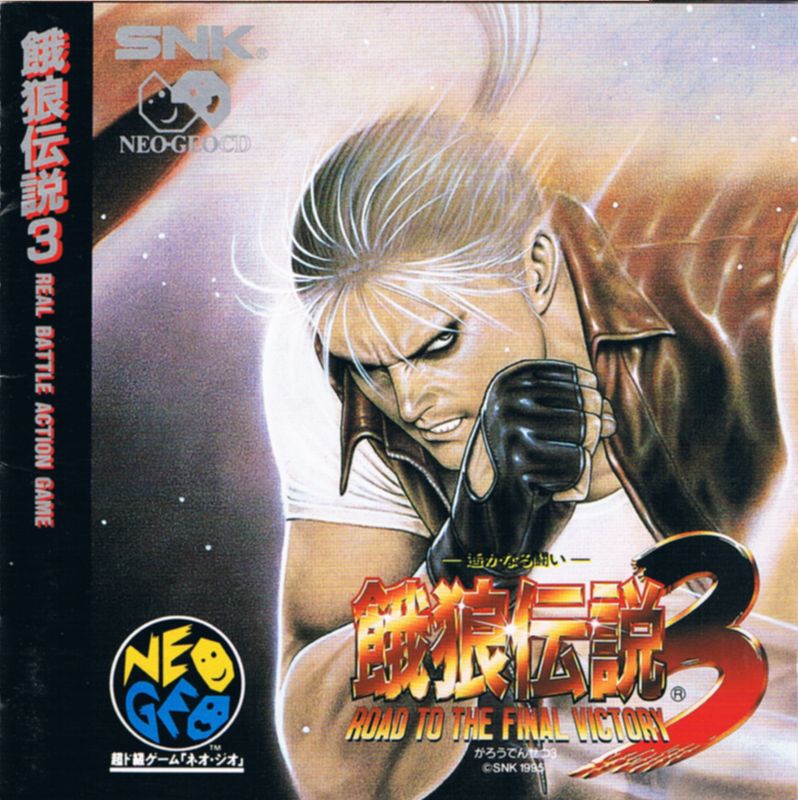
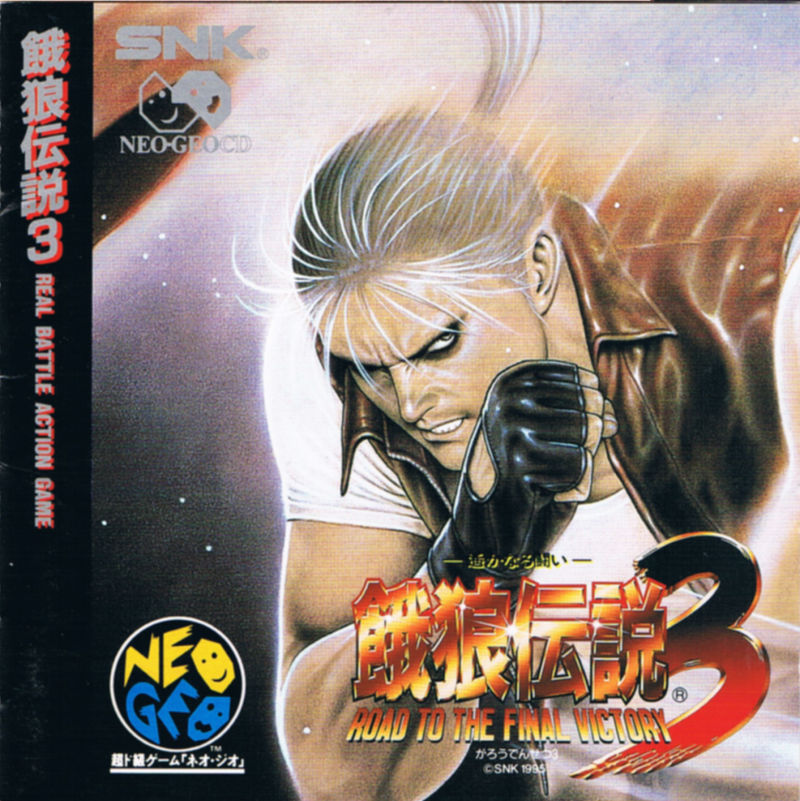
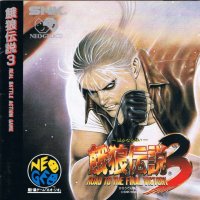
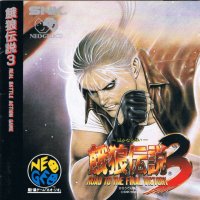
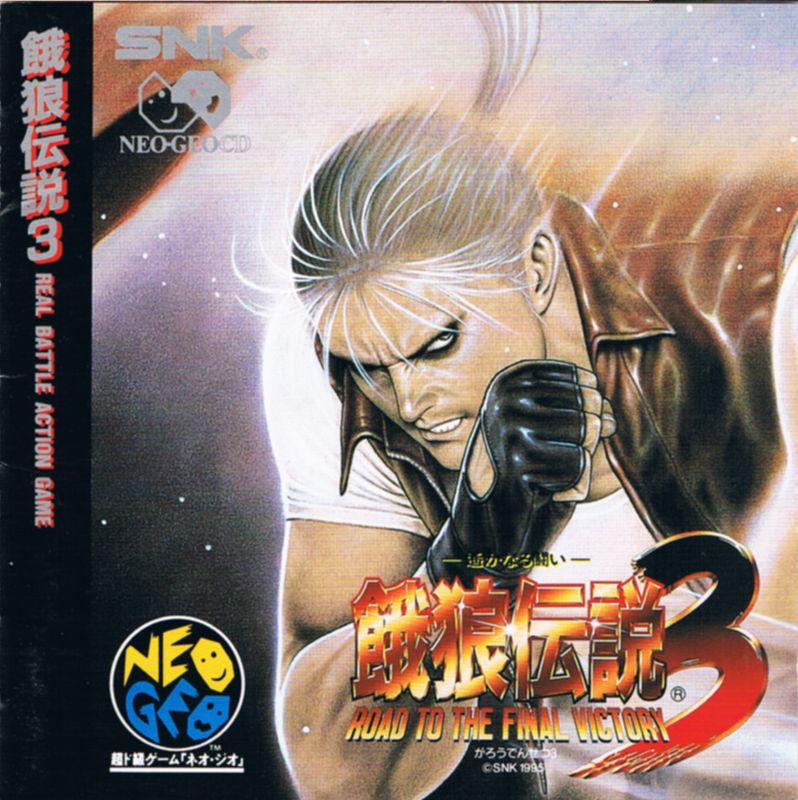
Fatal Fury 3 (1993), which overhauled the graphics engine and introduced a three-plane battle system consisting of foreground, background, and main playing fields. Additionally, the obscure
Fatal Fury: The Battle of Destiny (1988) remains a historical curiosity within the broader timeline of the intellectual property, representing the earliest conceptual roots of the narrative's focus on South Town and the struggle against crime lord Geese Howard.
_1.png)
_1.png)
.png)
_(Japan)_1.png)
.png)
.png)
.png)
.png)



_1.png)




.png)
 (Rev 1).png)



_(Japan)_1.png)


.png)



.png)



.png)


_1.jpg)





.png)


.png)
_1.png)
.png)
_1.jpg)