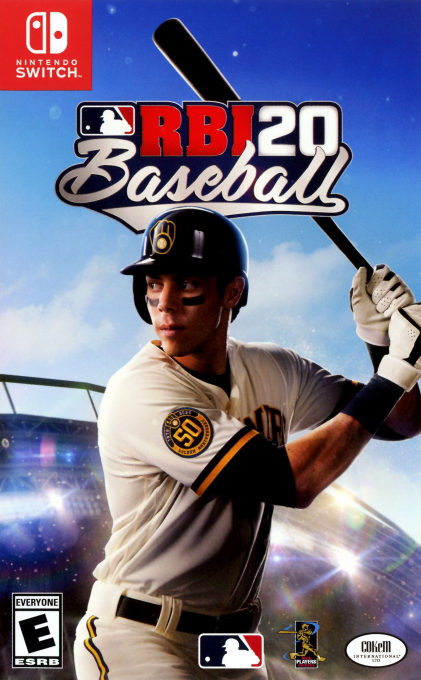
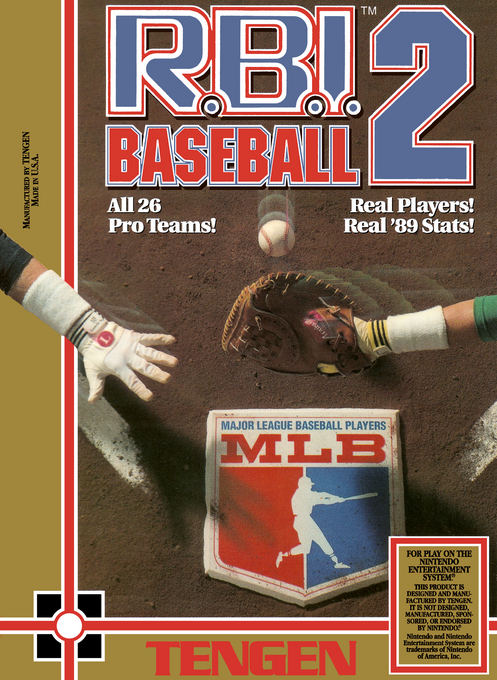
The R.B.I. Baseball series debuted on the NES with RBI Baseball (1988), including its famous unlicensed gray cartridge release, and was notable for being one of the first console games to use real MLB player names. The franchise continued with annual releases such as RBI Baseball 2 (1990), RBI Baseball 3 (1991), RBI Baseball 4 (1992), and RBI Baseball 93 (1993). These early entries established the series' signature fast-paced, accessible gameplay across platforms like the NES and Sega Genesis.
Originating from Namco's Japanese hit
Pro Yakyuu Family Stadium, the series was adapted for North American audiences by Tengen. The initial
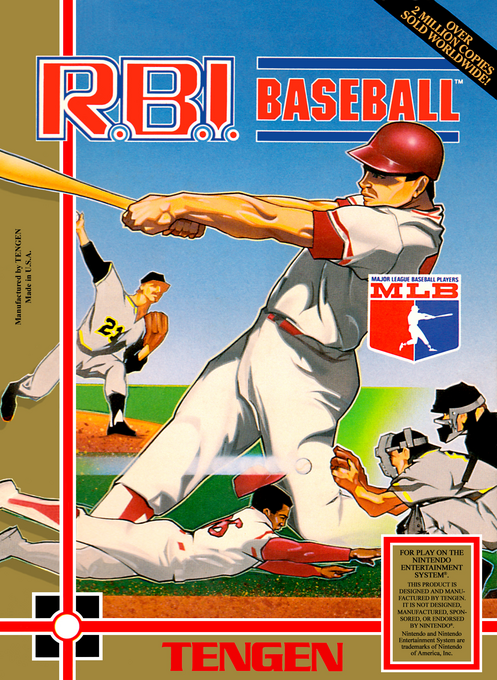
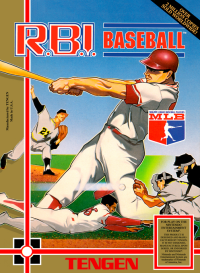
RBI Baseball (1988), including the unlicensed
RBI Baseball [Gray Cart] (1988) release, bypassed official Major League Baseball team licensing by securing a license solely from the MLB Players Association. This allowed the inclusion of actual player rosters and statistics based on the 1986 and 1987 seasons, though teams were designated only by their home cities.
Subsequent iterations expanded these mechanics.
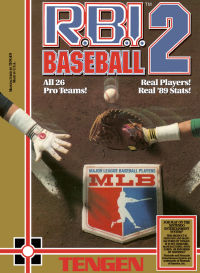
RBI Baseball 2 (1990) introduced updated rosters and a password save system. With
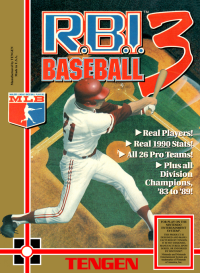
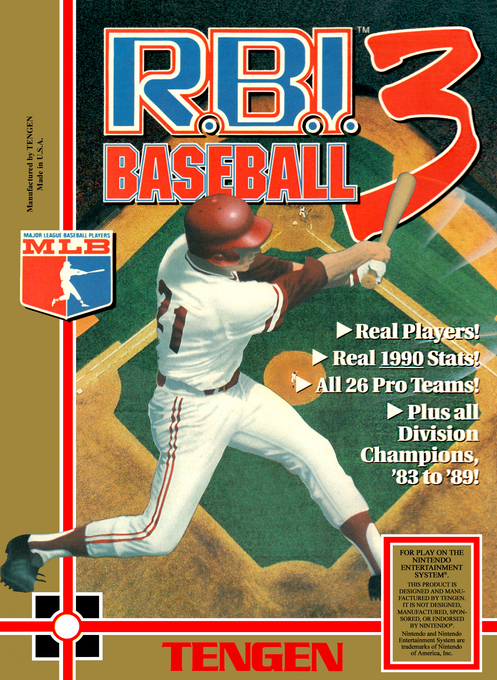
RBI Baseball 3 (1991), the franchise secured full licensing from both the players' union and Major League Baseball, introducing official team logos and division standings. The transition to 16-bit hardware with
RBI Baseball 4 (1992) and
RBI Baseball 93 (1993) brought enhanced graphical detail, individual player portraits, and digitized audio commentary. These installments also introduced full 162-game schedule tracking, cementing the franchise's role in establishing statistical realism as a standard expectation for the sports gaming genre.
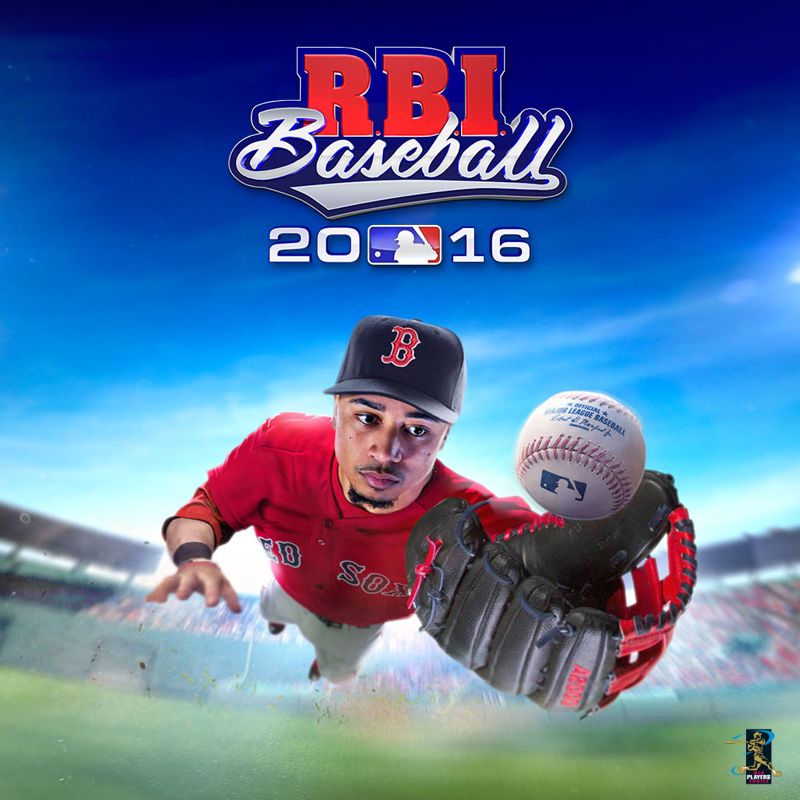
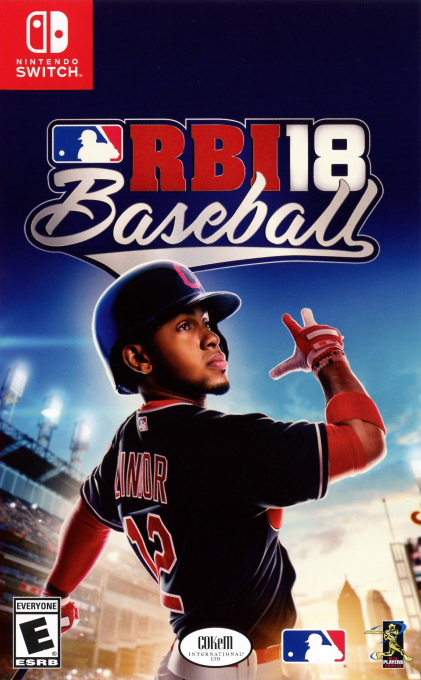

.png)
.png)
.png)
.png)
_1.png)






_1.png)
_1.png)
.png)

.png)

.png)


.png)
_1.png)





.png)



.png)
_1.png)

_1.png)