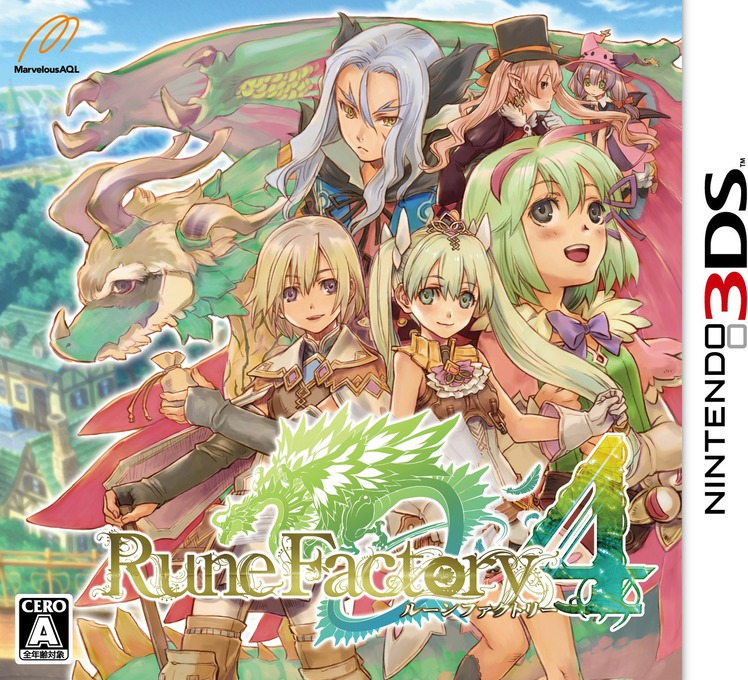
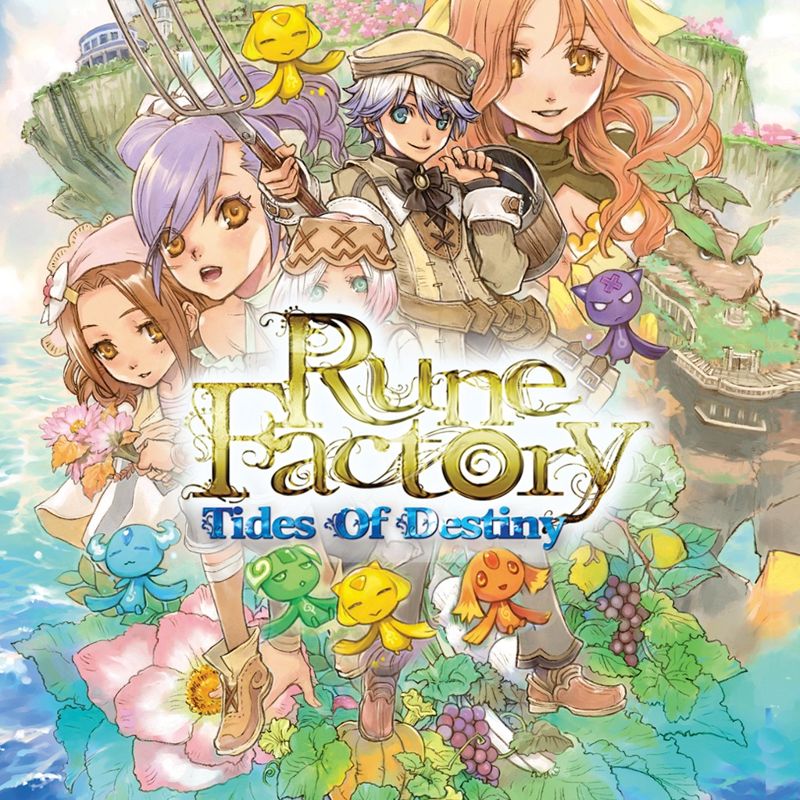
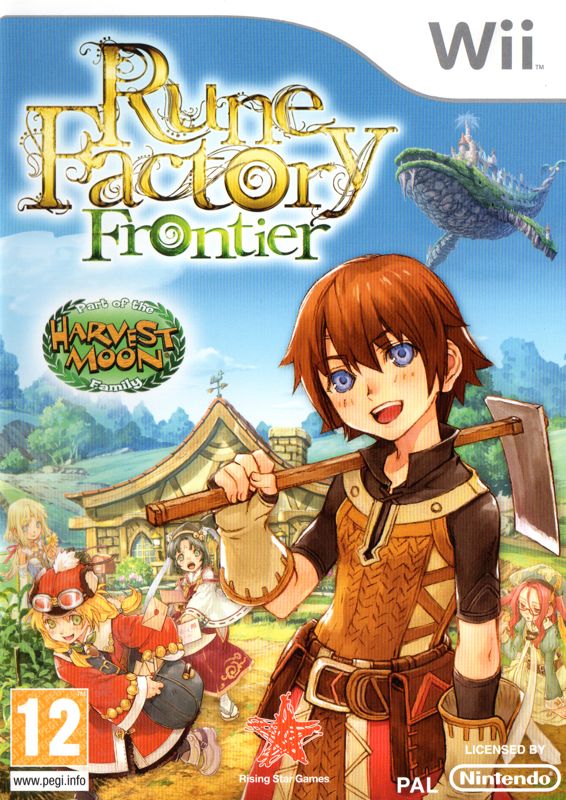
Rune Factory originated as a spin-off of the Harvest Moon series, blending traditional farming and social simulation with action RPG elements. The series debuted with Rune Factory: Shin Bokujou Monogatari in 2006, followed by sequels like Rune Factory 2 and the home console release Rune Factory: Frontier. Players engage in crop cultivation, monster taming, and dungeon crawling within a fantasy setting.
Developed by Neverland Co. and published by Marvelous Interactive, the franchise expanded its reach globally through localizations. The original Japanese release,
Rune Factory: Shin Bokujou Monogatari (2006), was localized for North America as
Rune Factory: A Fantasy Harvest Moon (2007), supported by a
Rune Factory: A Fantasy Harvest Moon BradyGames] strategy guide. The European market received the title simply as [Rune Factory (2009).
The sequel,
Rune Factory 2 (2008), introduced a two-generation gameplay structure where players eventually control their protagonist's child. This release was also documented in the
Rune Factory 2: A Fantasy Harvest Moon BradyGames] guide. Transitioning to home consoles, [Rune Factory: Frontier (2009) brought the series to the Nintendo Wii, introducing the "Runey" ecosystem system which managed regional prosperity. Throughout these early releases, the series established core mechanics like the Rune Point (RP) system, which limits daily activities, and extensive crafting systems for weapons, medicine, and accessories, distinguishing it from its parent franchise.
_2.png)
 [b].jpg)



.png)



_2.png)

 [b].jpg)
.png)