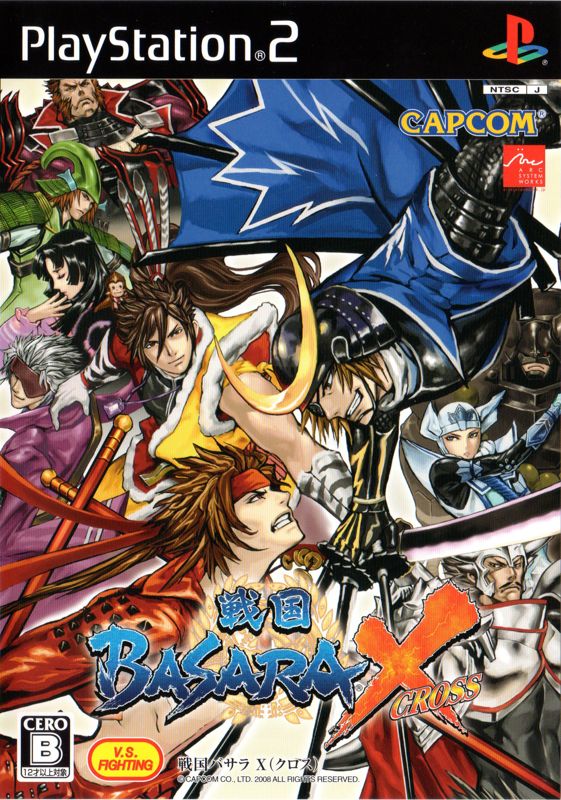
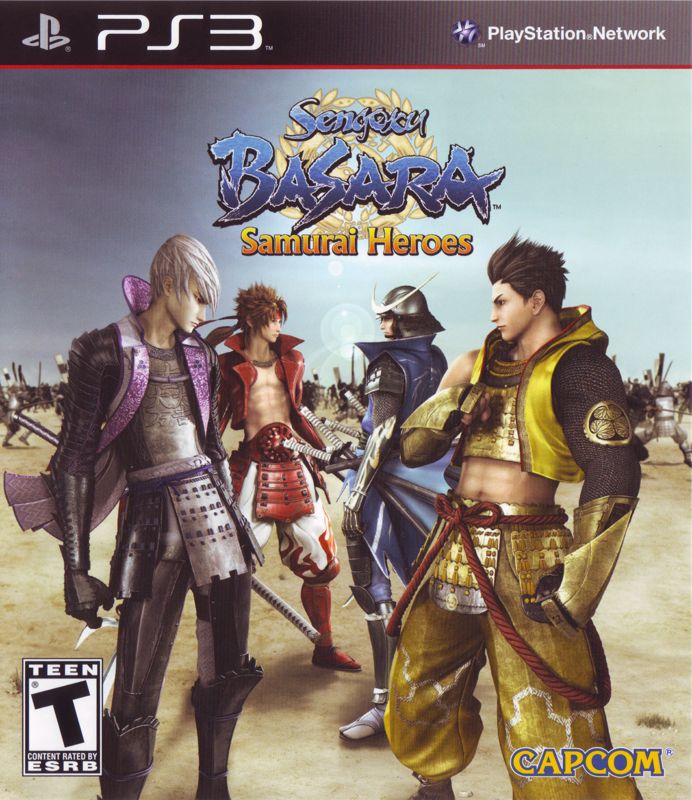
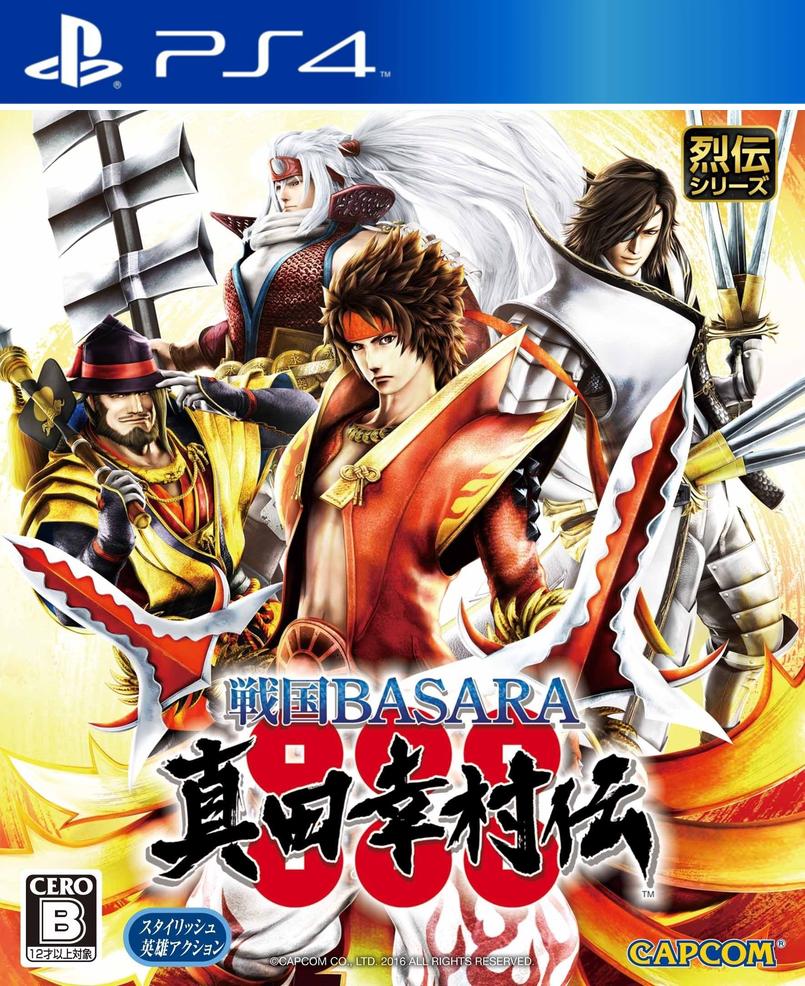
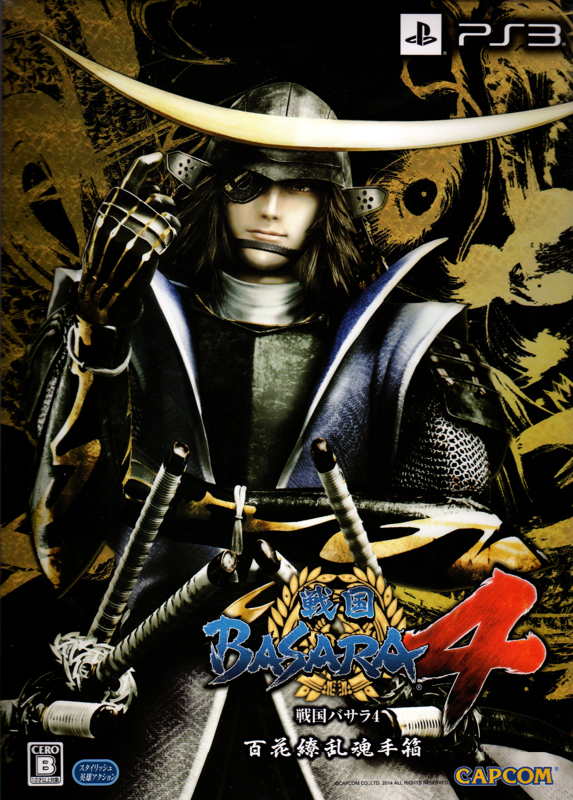
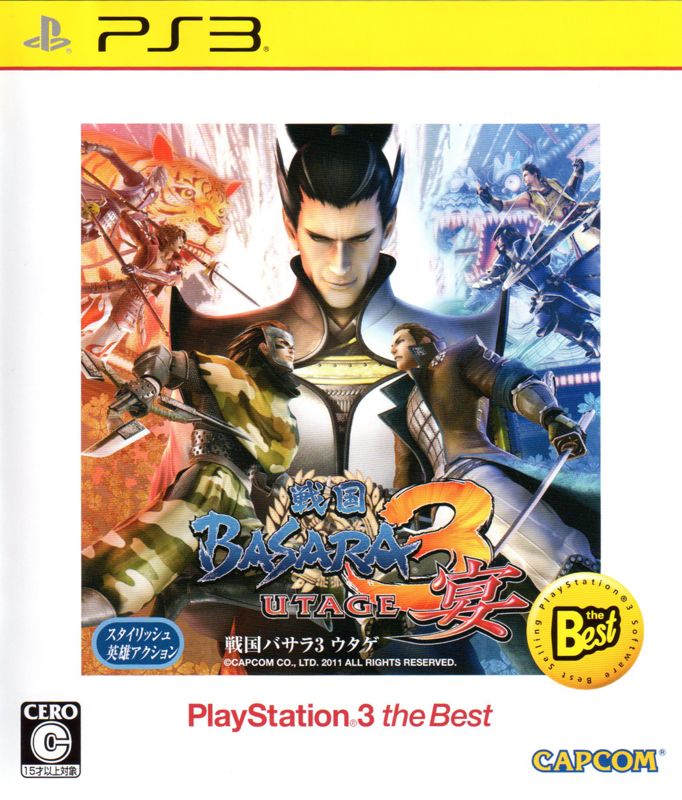
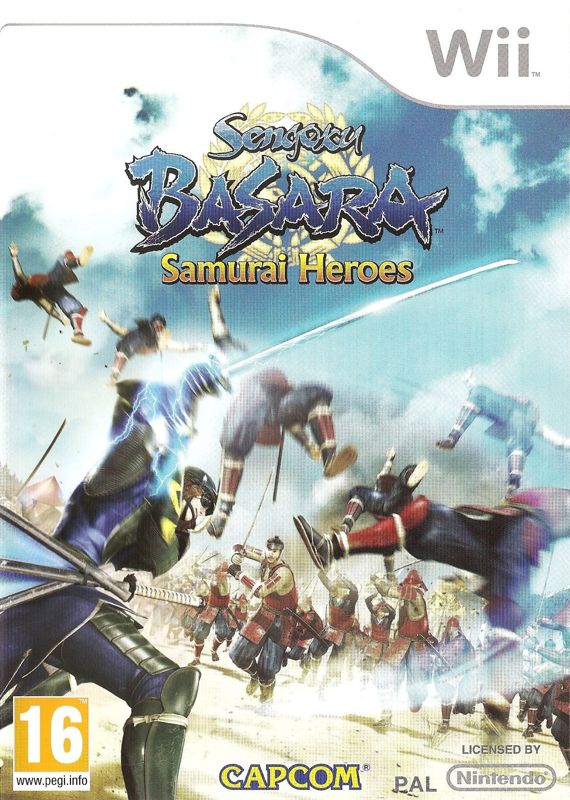
Debuting with Sengoku Basara in 2005, this Capcom franchise features over-the-top combat based on historical Japanese figures. The series expanded with sequels like Sengoku Basara 2, the 2D fighting game spin-off Sengoku Basara X, and Sengoku Basara 3, which was localized in the West as Sengoku Basara: Samurai Heroes.
Producer Hiroyuki Kobayashi conceived the franchise to offer a stylized, action-heavy alternative to traditional historical simulations. The original
Sengoku Basara (2005) established the signature crowd-combat gameplay, which was quickly re-released under Capcom's budget line as
Sengoku Basara CapKore] (2005). This budget-reissue strategy continued with subsequent entries, including [Sengoku Basara 2 (2006) and its corresponding budget version
Sengoku Basara 2 [CapKore] (2006), which expanded the playable roster and introduced new tactical mechanics.
To diversify the brand, Capcom collaborated with Arc System Works to develop a 2D fighting game, resulting in
Sengoku Basara X Limited Edition] (2008), which later saw a budget reissue as *Sengoku Basara X* [Best Price] (2009). The mainline series transitioned to the next console generation with [Sengoku Basara 3 Best Version] (2010). For its North American and European localization, Capcom distributed promotional copies such as [Sengoku Basara: Samurai Heroes [Promo Not For Resale] (2010) to generate Western press coverage. The franchise's legacy includes anime adaptations, stage plays, and a significant impact on Japanese pop culture, particularly in boosting tourism to historical sites associated with the featured warlords.
_1.png)