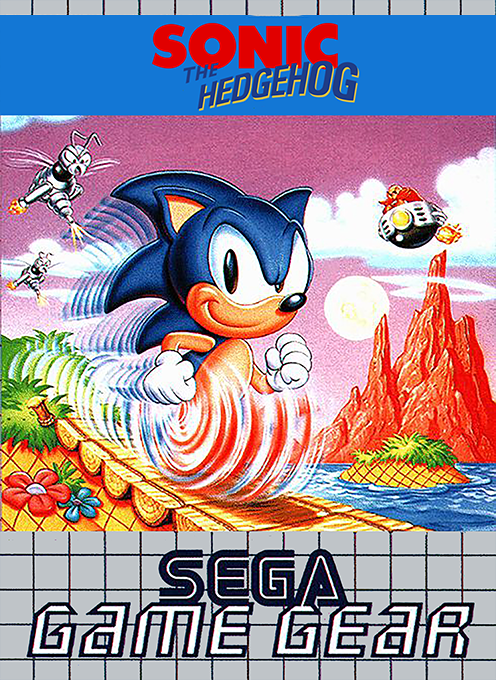
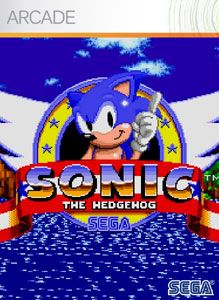
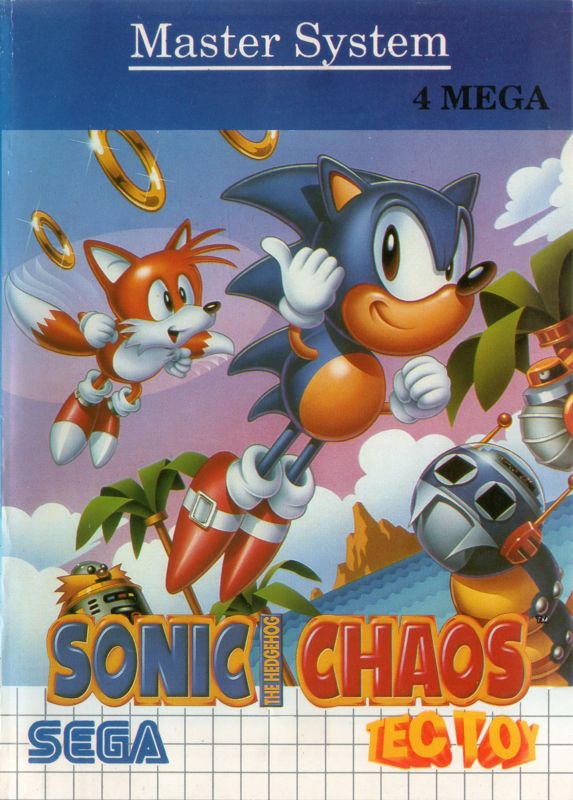
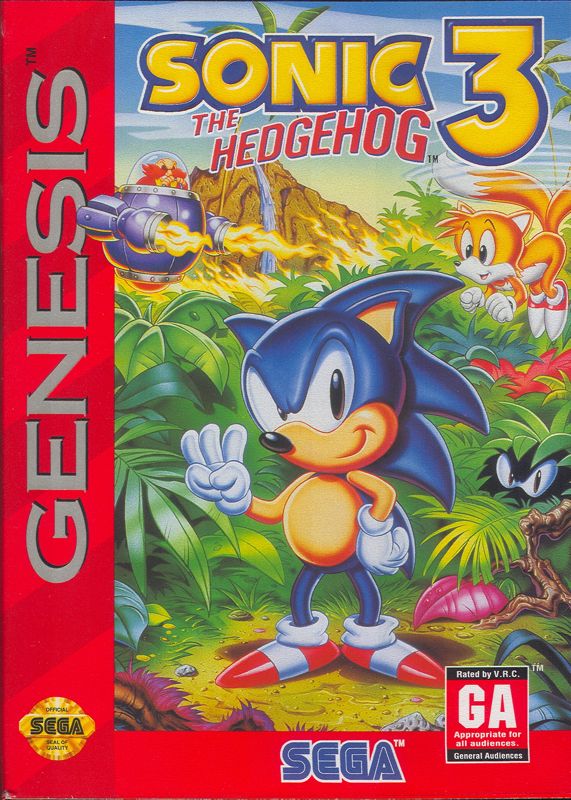
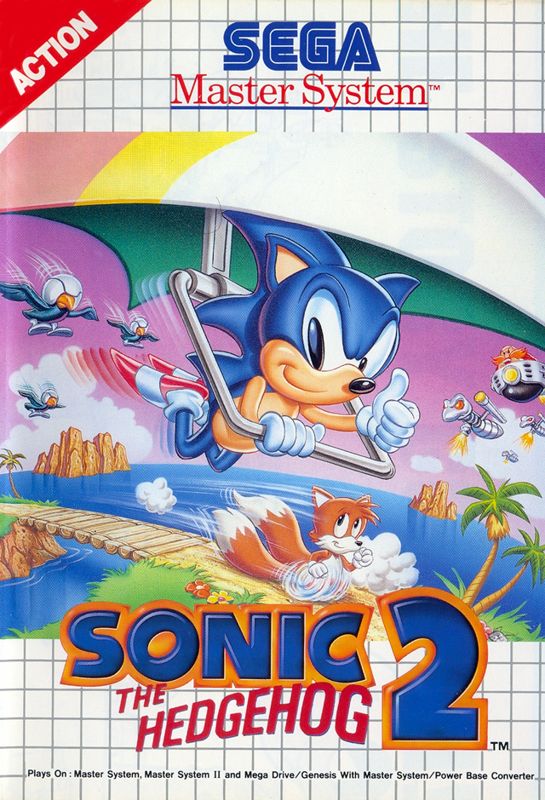
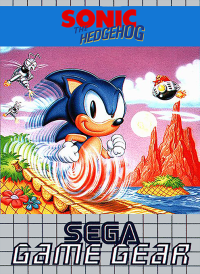
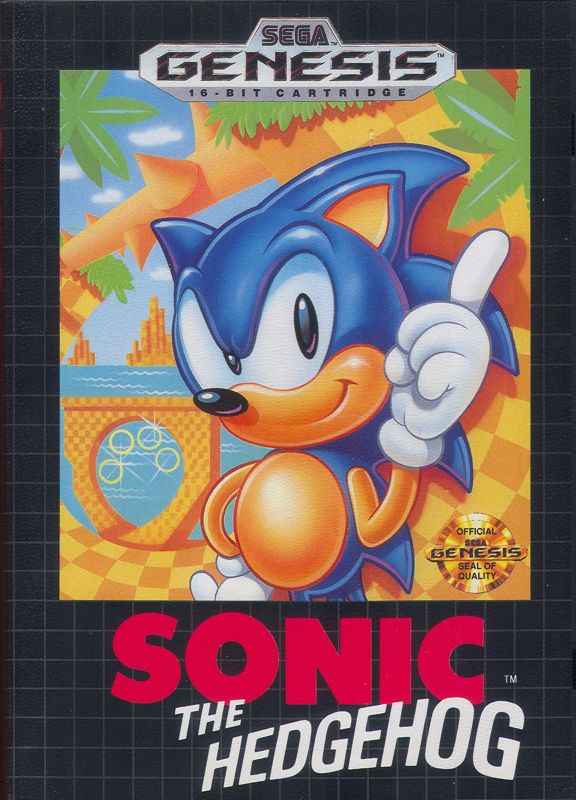
The Sonic the Hedgehog series began with the landmark 1991 release of Sonic the Hedgehog for the Sega Genesis/Mega Drive, establishing Sega's mascot as a rival to Nintendo's Mario. This debut game, along with its regional variants and re-releases like Sonic the Hedgehog [Sega Classic] and Sonic the Hedgehog [Canadian], introduced the series' signature momentum-based platforming and loop-de-loop level designs. The success of these initial releases launched a massive media franchise spanning numerous sequels, spin-offs, and adaptations.
Developed by Sonic Team, the franchise's foundation rests on the critical and commercial reception of
Sonic the Hedgehog (1991),
Sonic the Hedgehog [Sega Classic] (1991), and
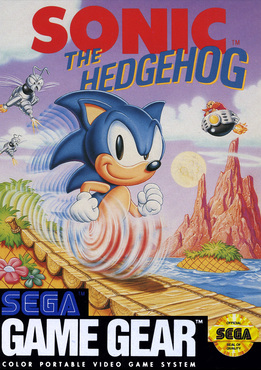
Sonic the Hedgehog [Canadian] (1991). These releases, alongside various 8-bit and regional editions also titled
Sonic the Hedgehog (1991), established the core conflict between the titular blue hedgehog and the antagonist Dr. Ivo Robotnik. Early promotional iterations and trade show builds, historically tracked under titles like
Sonic the Hedgehog (1990) and
Sonic The Hedgehog (1990), showcased the technical capabilities of Sega's hardware, emphasizing high-speed scrolling and physics-based environments.
Collectively, these foundational titles introduced key gameplay elements such as collecting rings for protection, freeing captured animals, and pursuing the Chaos Emeralds. The success of these 1991 entries led to a rapid expansion of the intellectual property. The series transitioned into 3D gameplay with
Sonic Adventure (1998) and continued to experiment with diverse genres, including racing, role-playing, and party games, securing the franchise's long-term position in video game history.

.png)

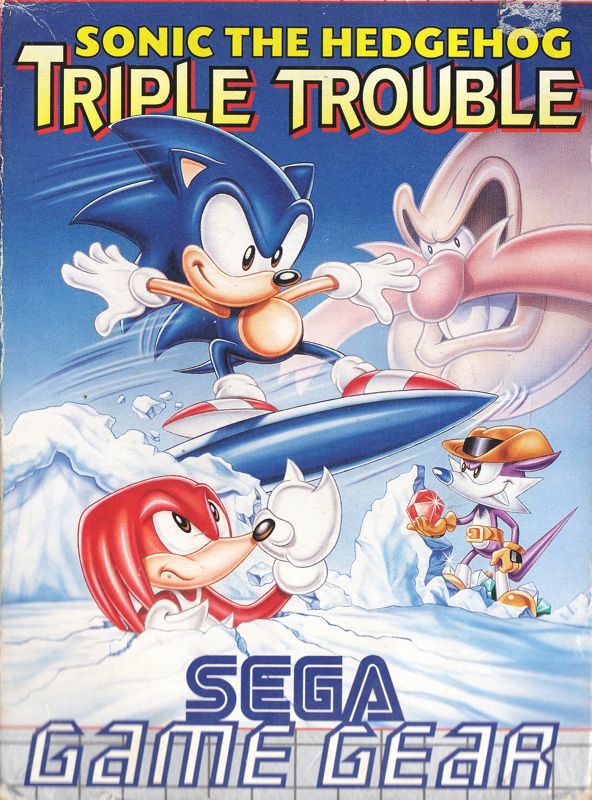



 (En,Ja,Fr,De,Es,It).png)









.png)


 (En,Ja,Fr,De,Es,It).png)