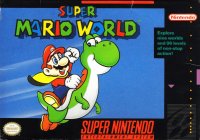
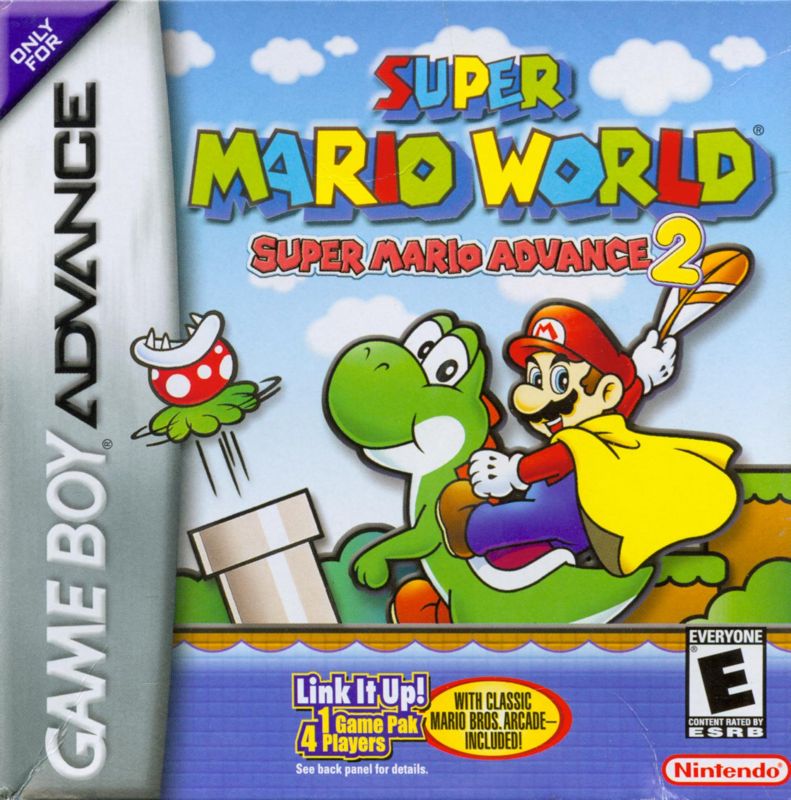
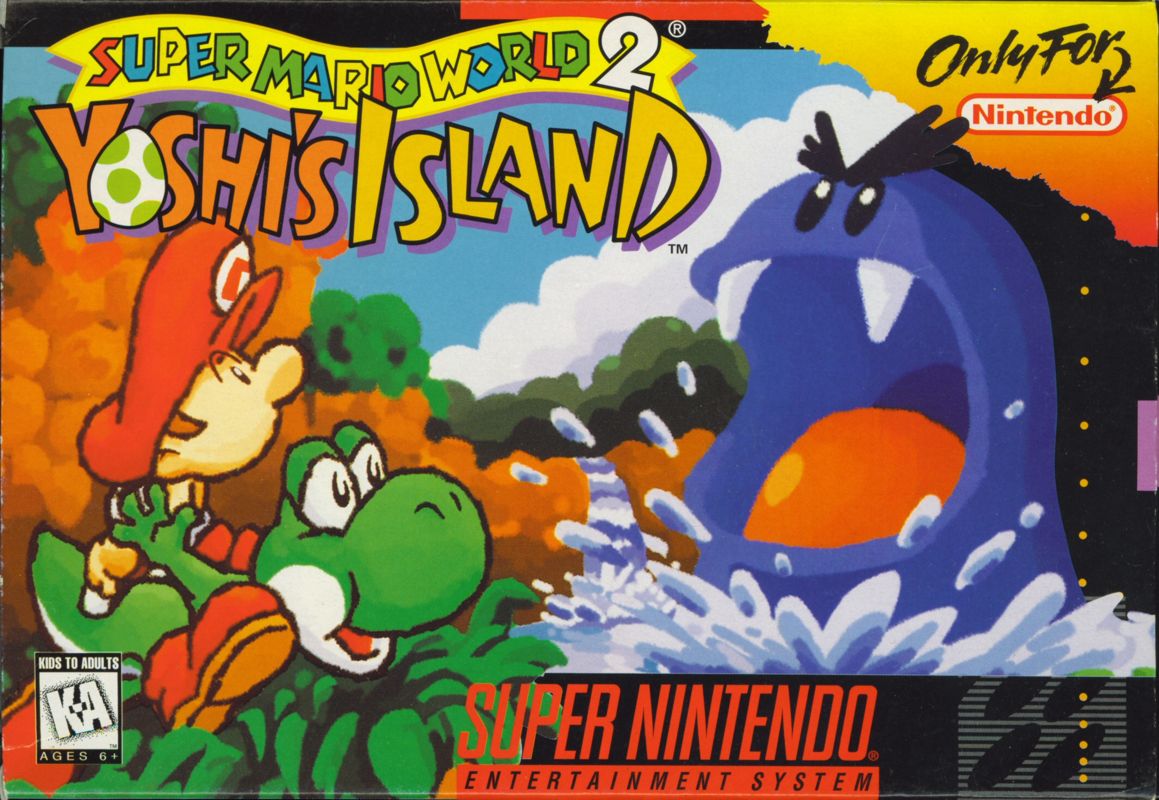
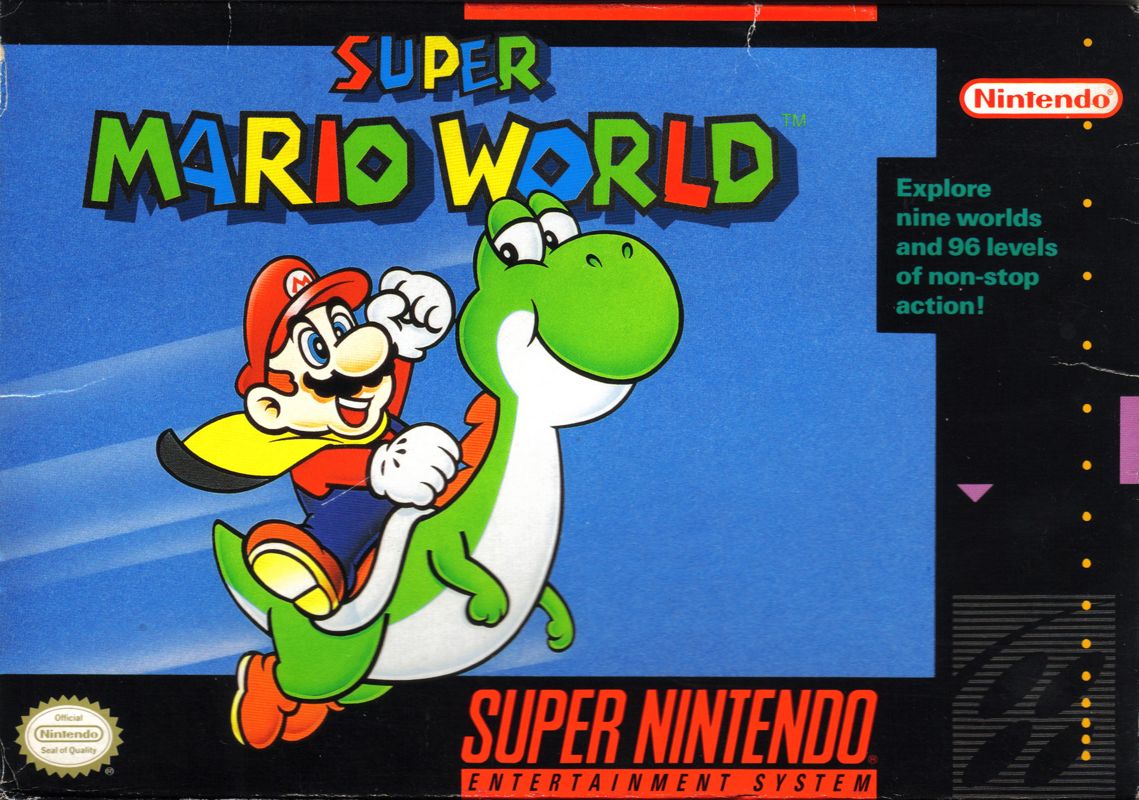
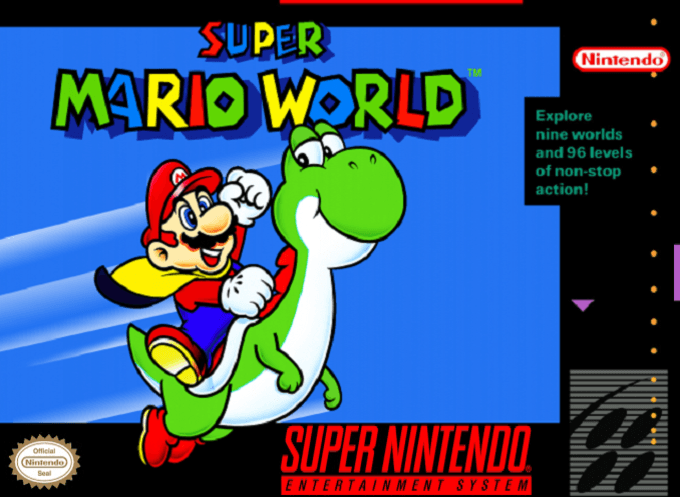
The Super Mario World series includes the original 1990 Super Mario World release and its various regional, promotional, and repackaged editions such as the Not For Resale, Playtronic, Yellow Box, and Red Box versions. These games are closely associated with the Super Mario Advance franchise, which later ported the title to handheld systems. The series established key gameplay elements for the Mario franchise, including the debut of Yoshi.
Designed as the flagship showcase for the Super Nintendo Entertainment System's 16-bit capabilities, the game's development was led by Takashi Tezuka and Shigeru Miyamoto. The initial Japanese release of
Super Mario World (1990) was followed by the North American
Super Mario World (1991), which became a standard pack-in console bundle. This distribution model yielded the
Super Mario World [Not For Resale] (1991) retail variant. Specialized regional distributions emerged soon after, including the Brazilian
Super Mario World [Playtronic] (1991), alongside distinct packaging iterations like the
Super Mario World [Yellow Box] (1991),
Super Mario World [Red Box] (1991), and the manufacturing anomaly
Super Mario World [Reversed Nintendo Seal] (1991).
These releases laid the groundwork for the game's integration into the
Super Mario Advance franchise, which later adapted the title for portable hardware. The game introduced the Cape Feather, allowing Mario to glide, and a complex, multi-layered overworld map featuring branching paths and hidden exits. These design innovations, refined across the various 1991 editions, established a blueprint for secrets and exploration that defined subsequent entries in the broader
Super Mario intellectual property.