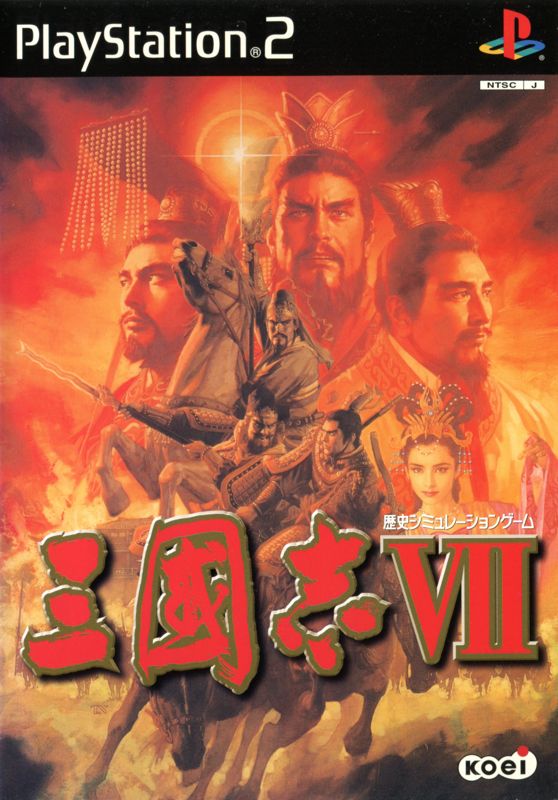
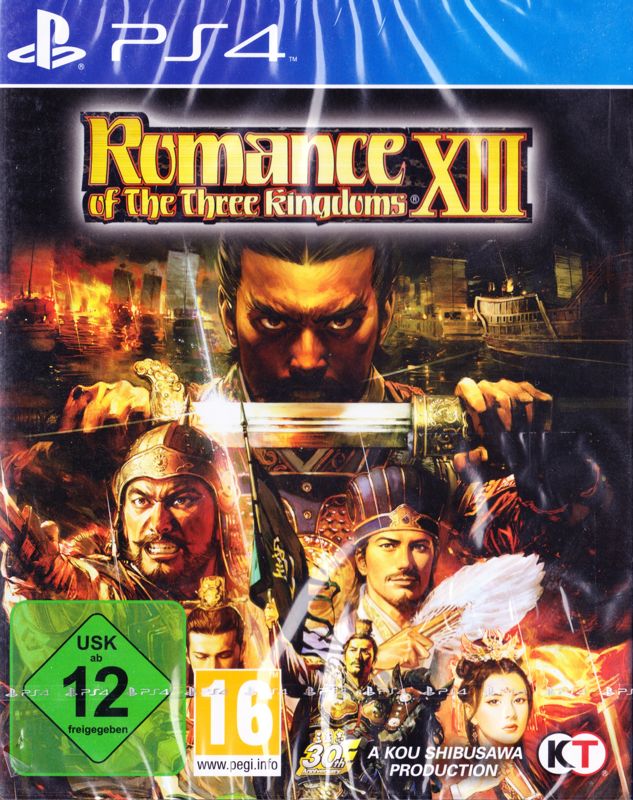
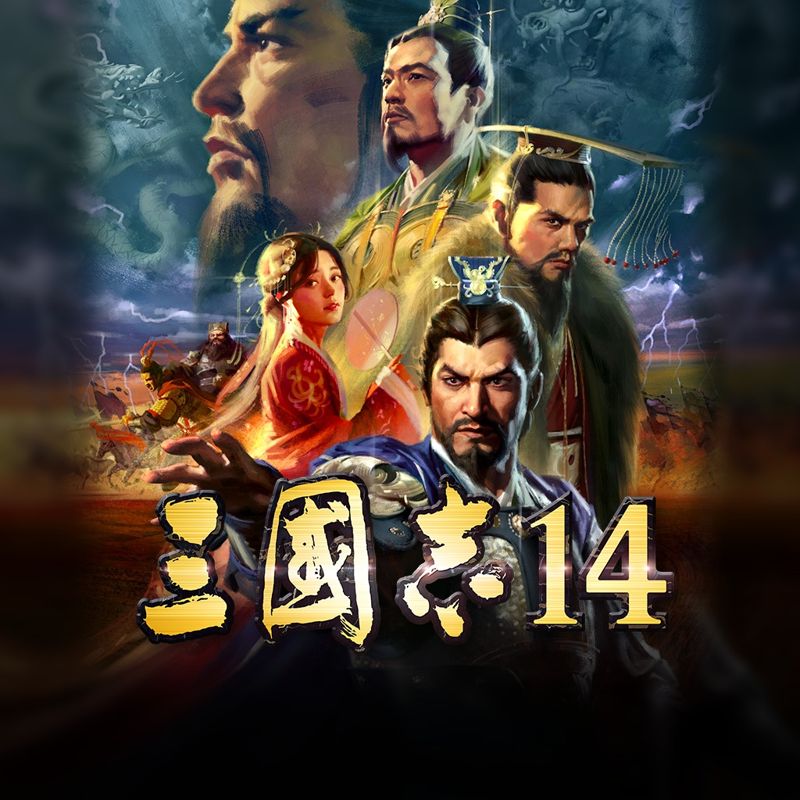
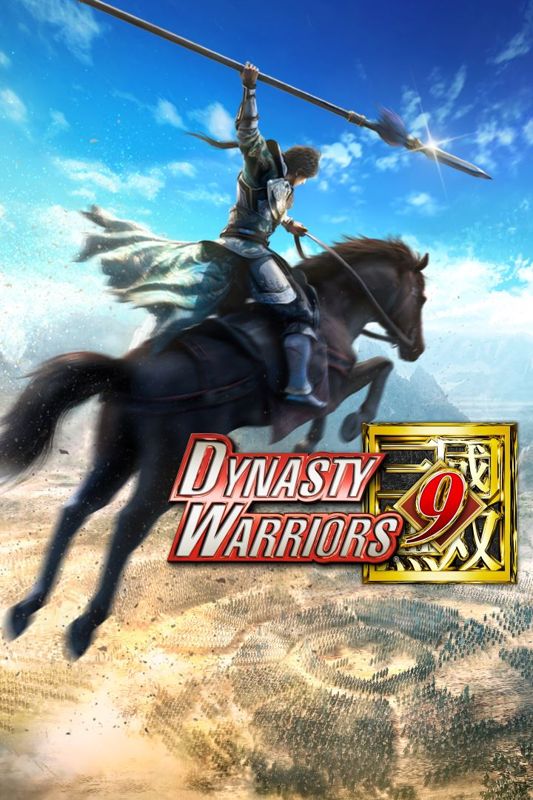
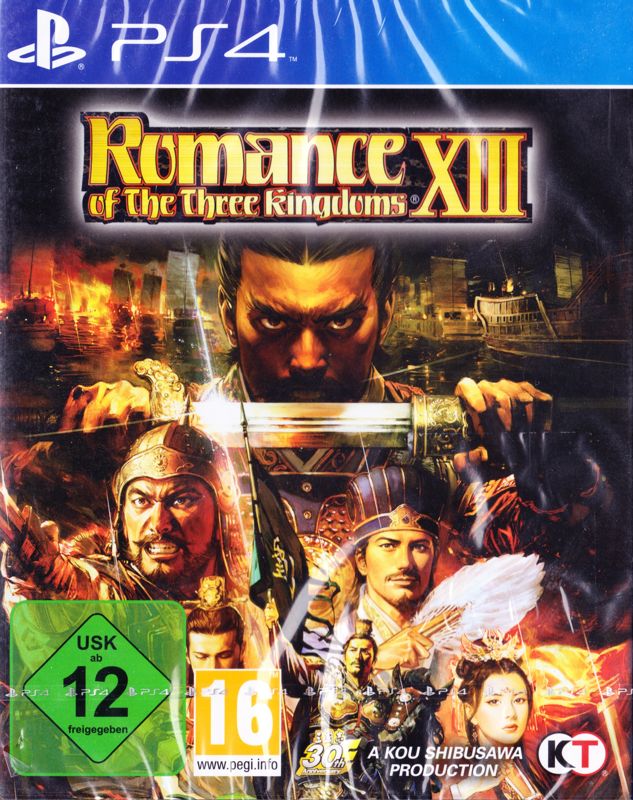
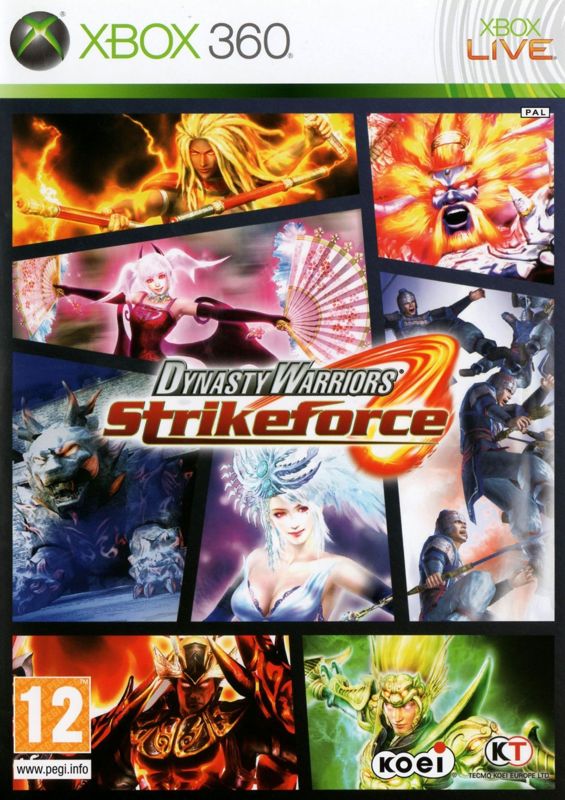
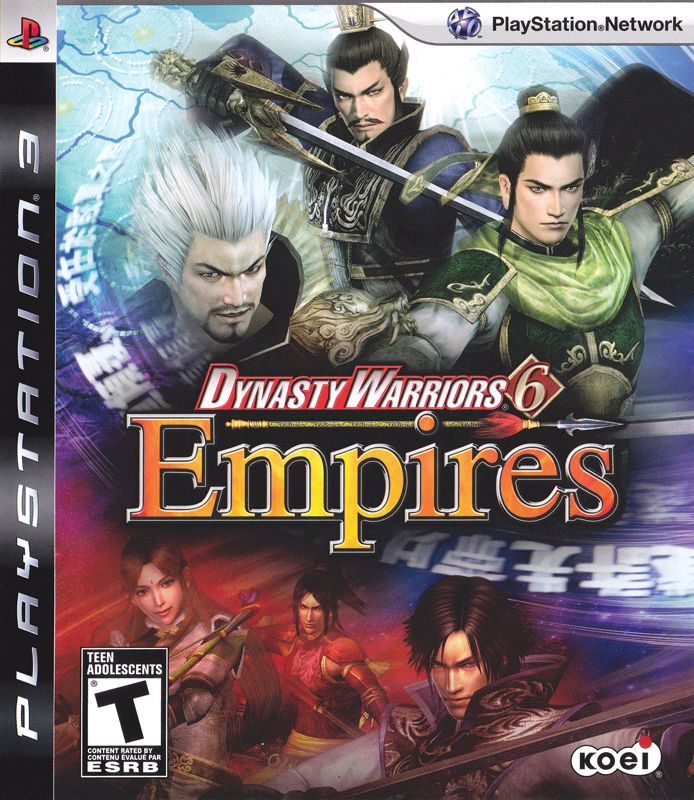
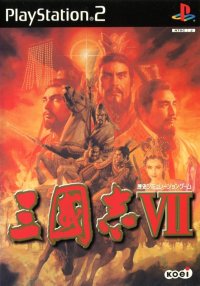
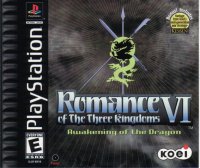
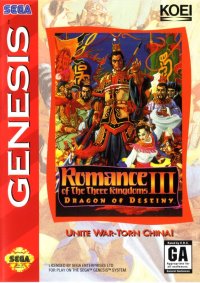
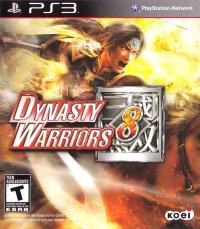
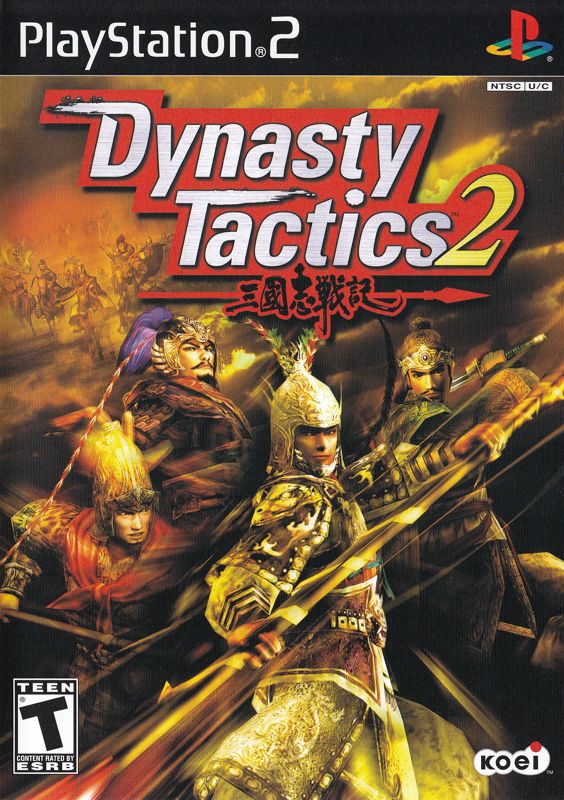
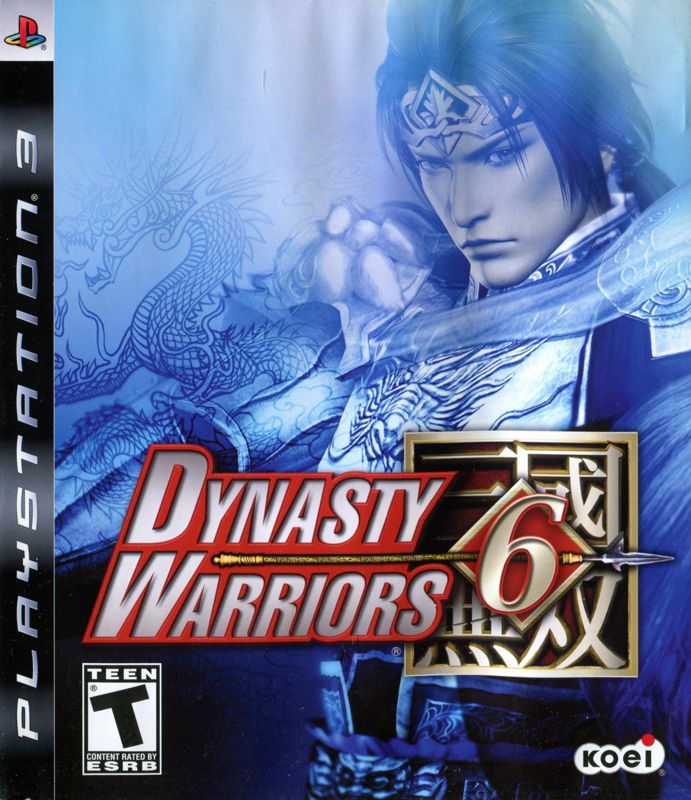
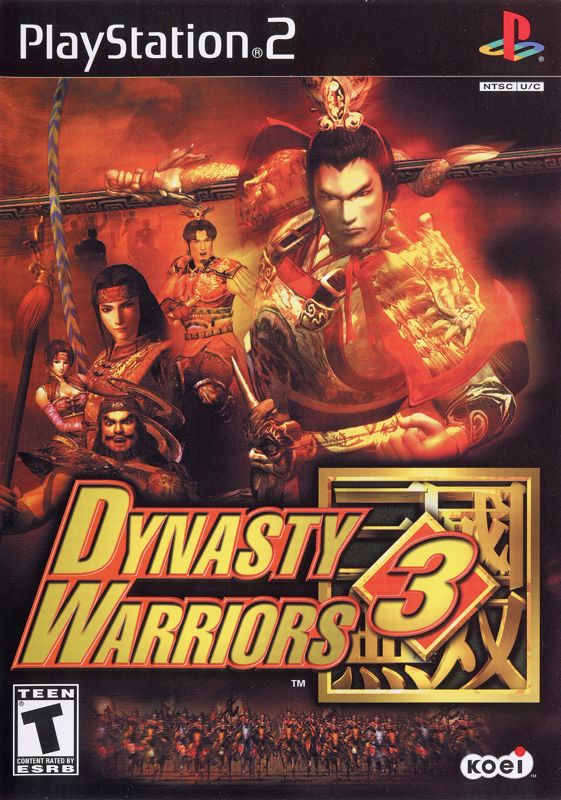
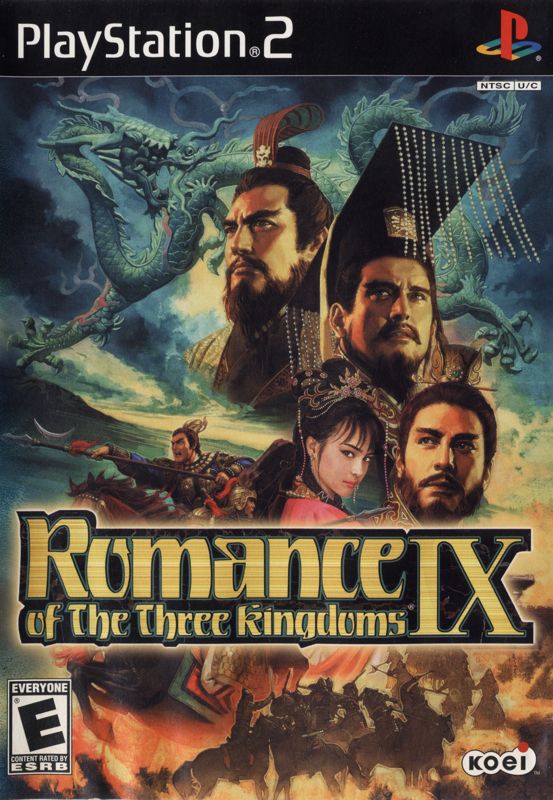
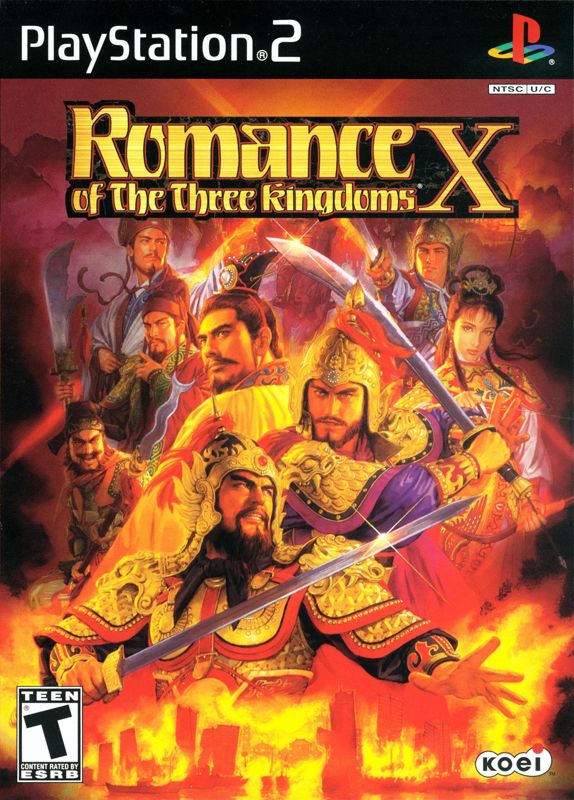
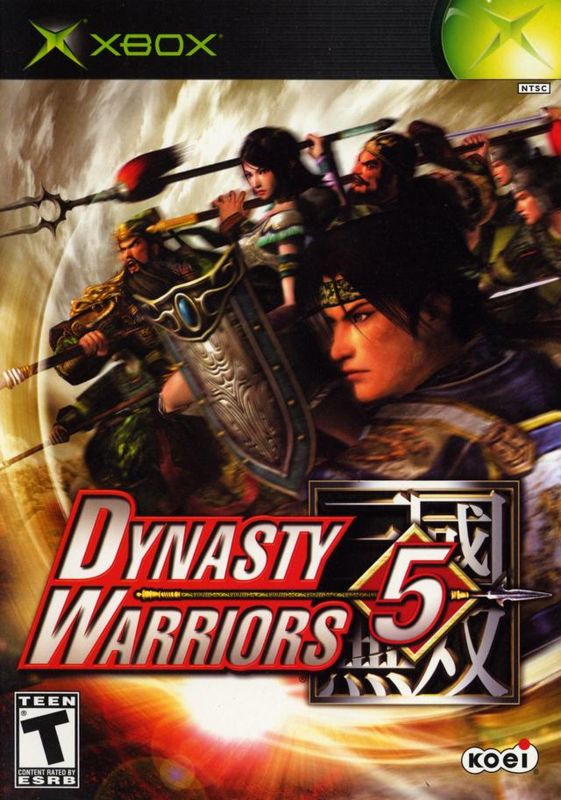
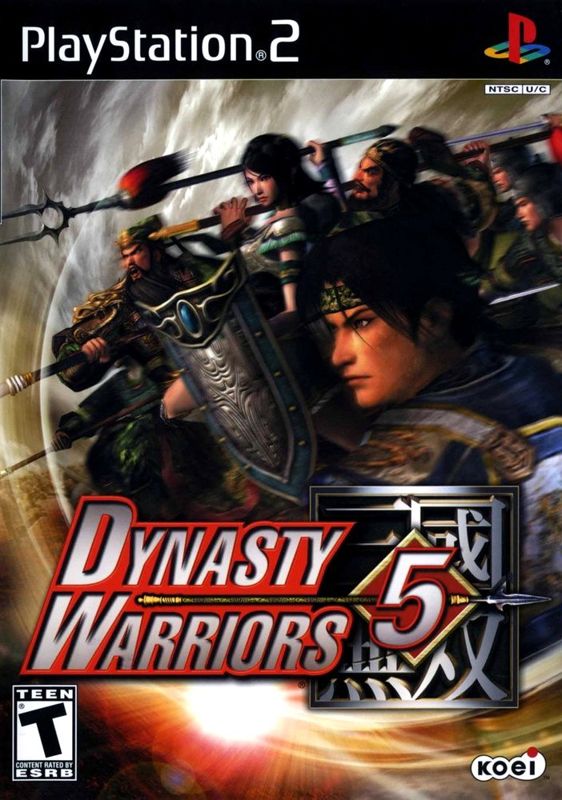
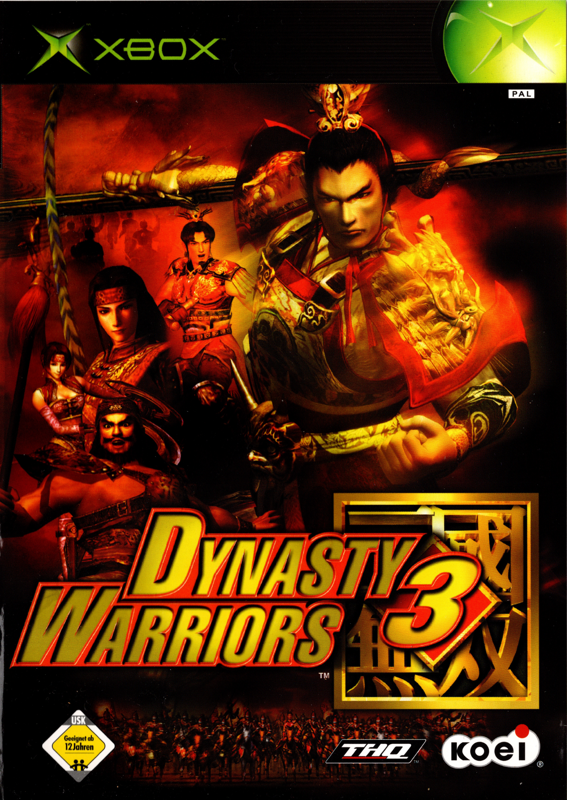
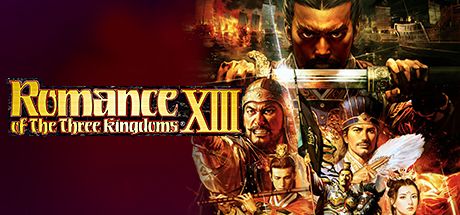
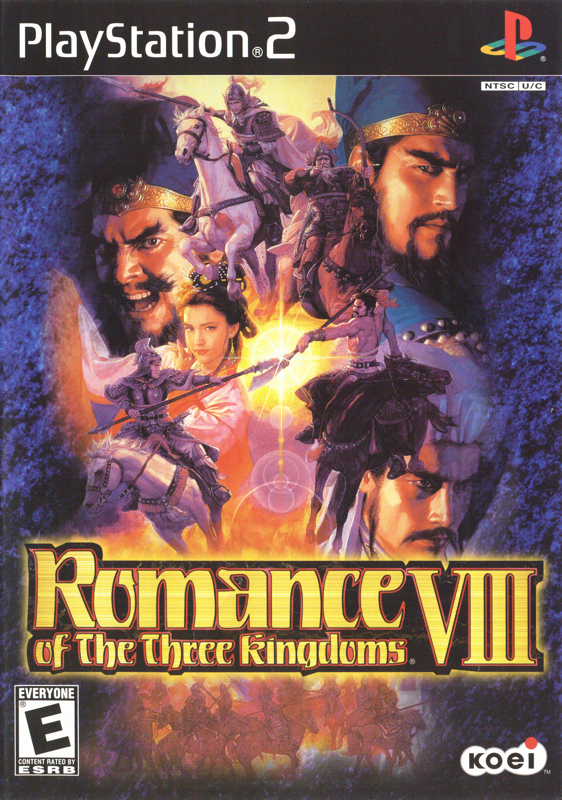
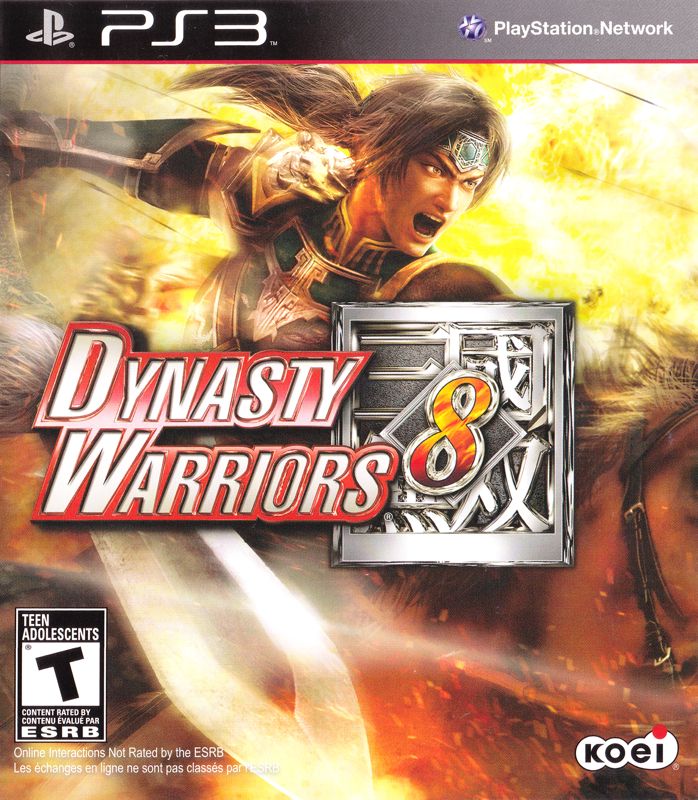
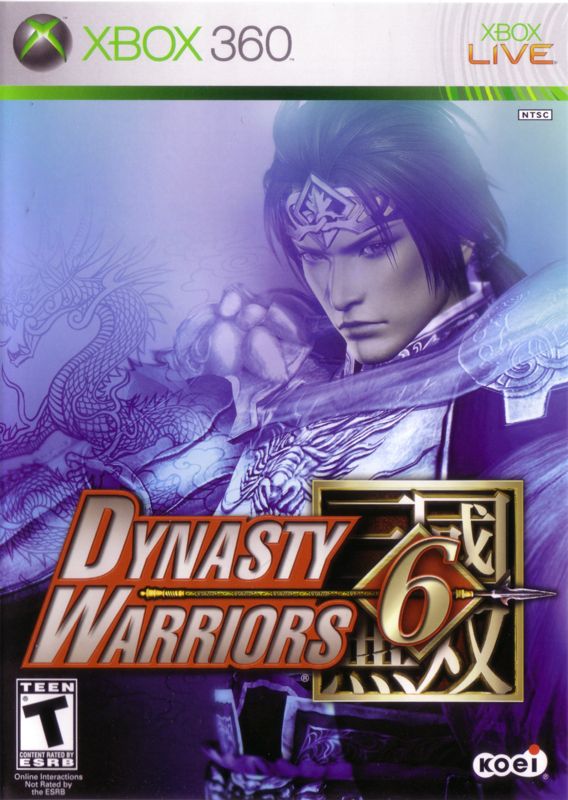
This setting is heavily utilized in historical simulation and tactical action games, particularly those depicting the Three Kingdoms period. It serves as the backdrop for prominent series such as Romance of the Three Kingdoms and Dynasty Warriors, as well as various adventure and role-playing titles.
In the early 1990s, developers increasingly utilized this setting to explore both strict historical narratives and fantastical adaptations of Chinese folklore. Koei expanded its strategic offerings with releases like
Romance of the Three Kingdoms II (1991) and the tactical role-playing spin-off
Sangokushi Eiketsuden (1995), establishing a detailed template for regional warfare, diplomacy, and officer management. Beyond pure strategy, the setting accommodated diverse genres. The role-playing game
Benkei Gaiden (1992) incorporated ancient Chinese elements into its journey, while the adventure game
Marco Polo (1994) depicted the region through the lens of historical travel and trade.
The setting also hosted action and adaptation titles. The side-scrolling platformer
Gon (1994) featured prehistoric and ancient wild landscapes, including stages set in historical China. In 1997, the release of
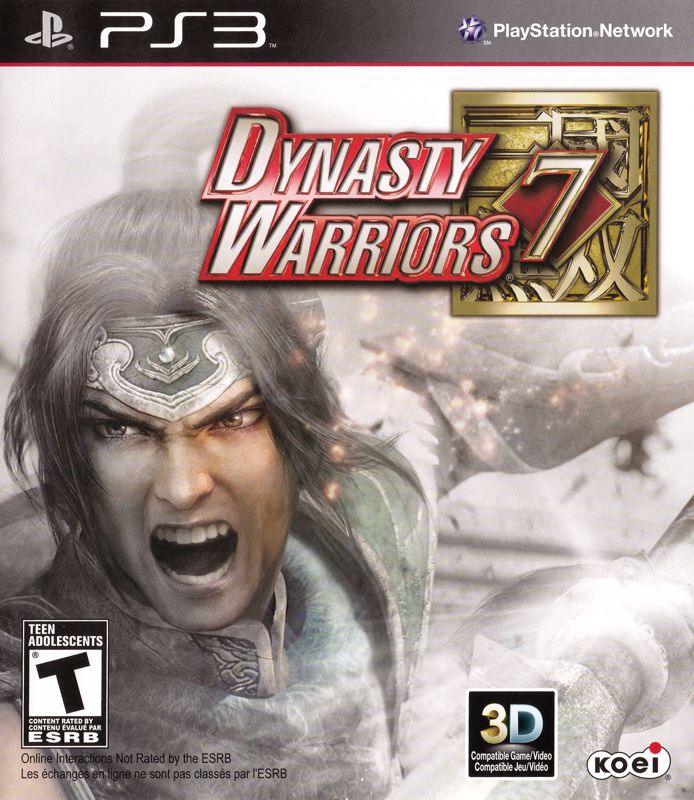
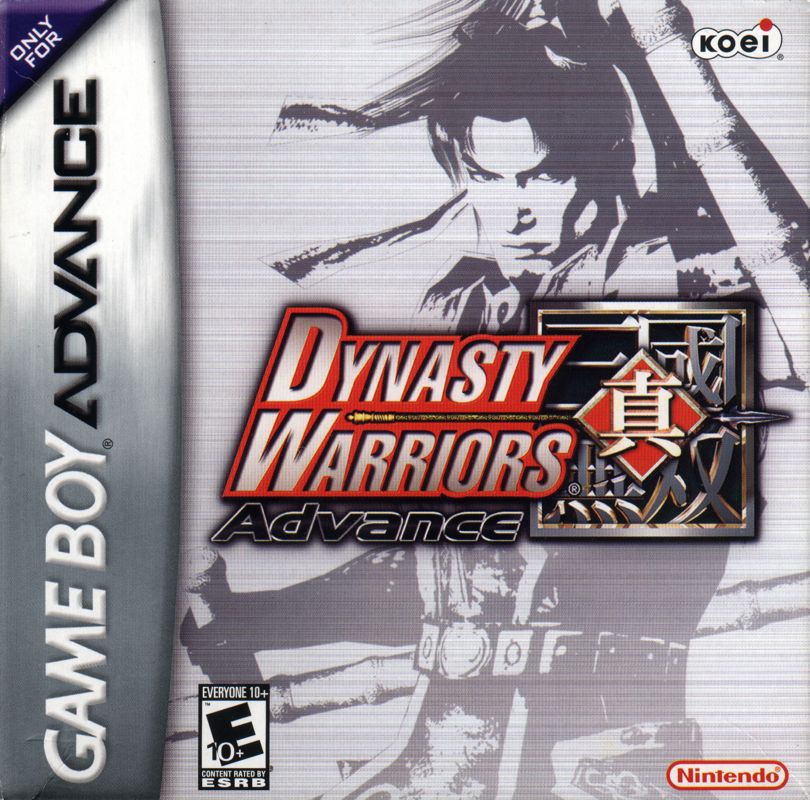
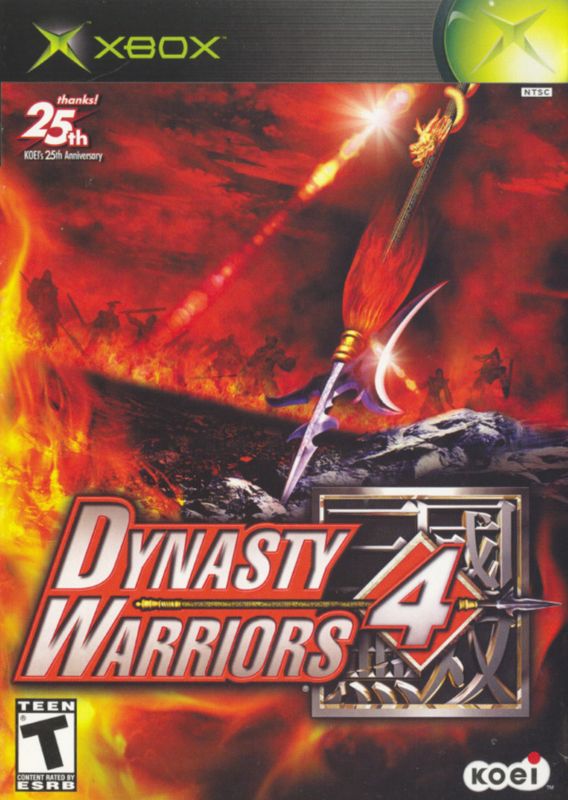
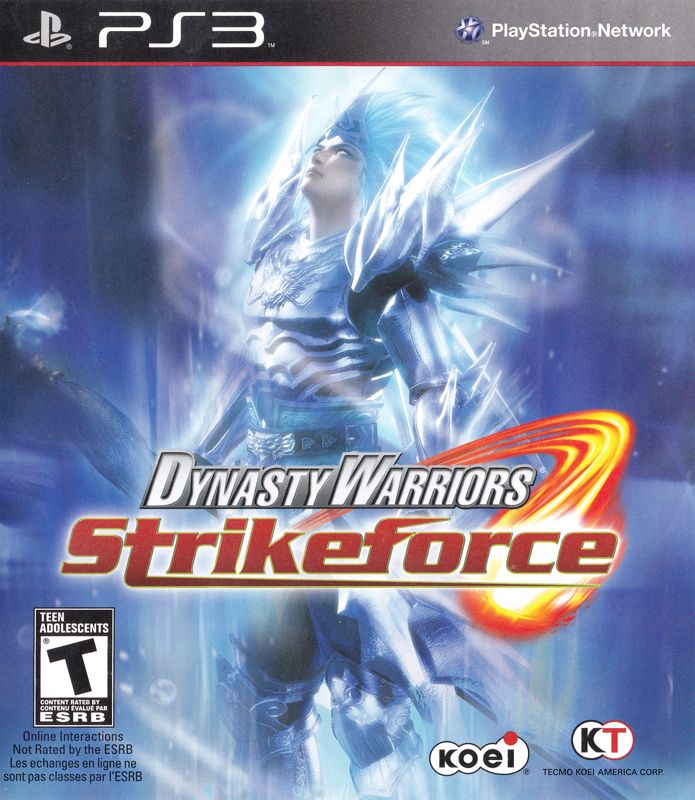
Dynasty Warriors transitioned the focus toward weapon-based fighting, laying the groundwork for the massive tactical action subgenre that would define the setting in subsequent console generations. These titles collectively established ancient China as a versatile environment for complex political simulation, martial arts mythology, and cross-cultural exploration.



_1.png)
.png)

.png)





.png)





.png)





_1.png)



_1.png)



_1.png)






.png)




_1.png)