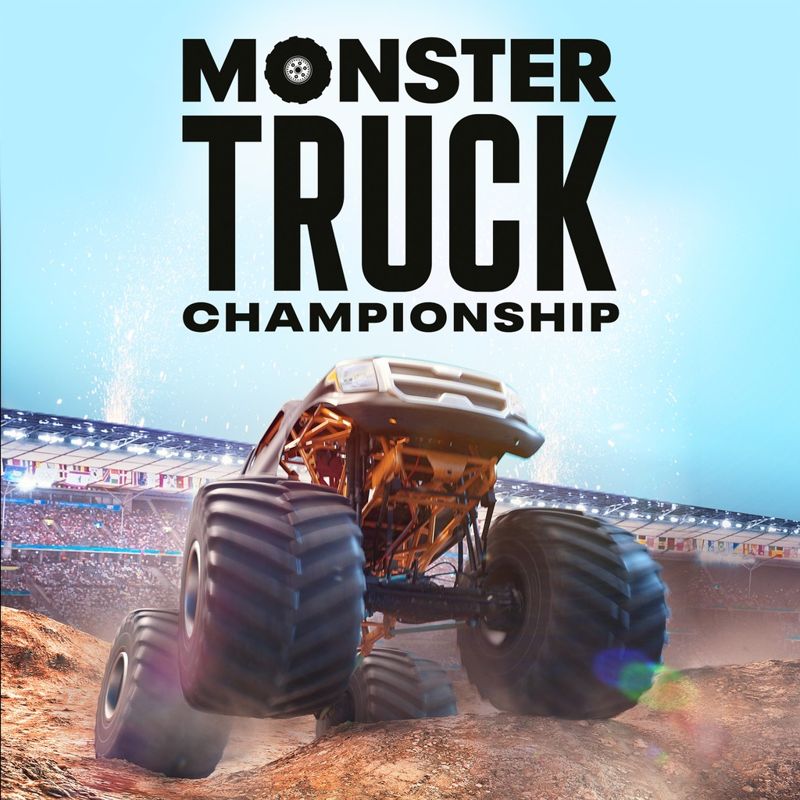
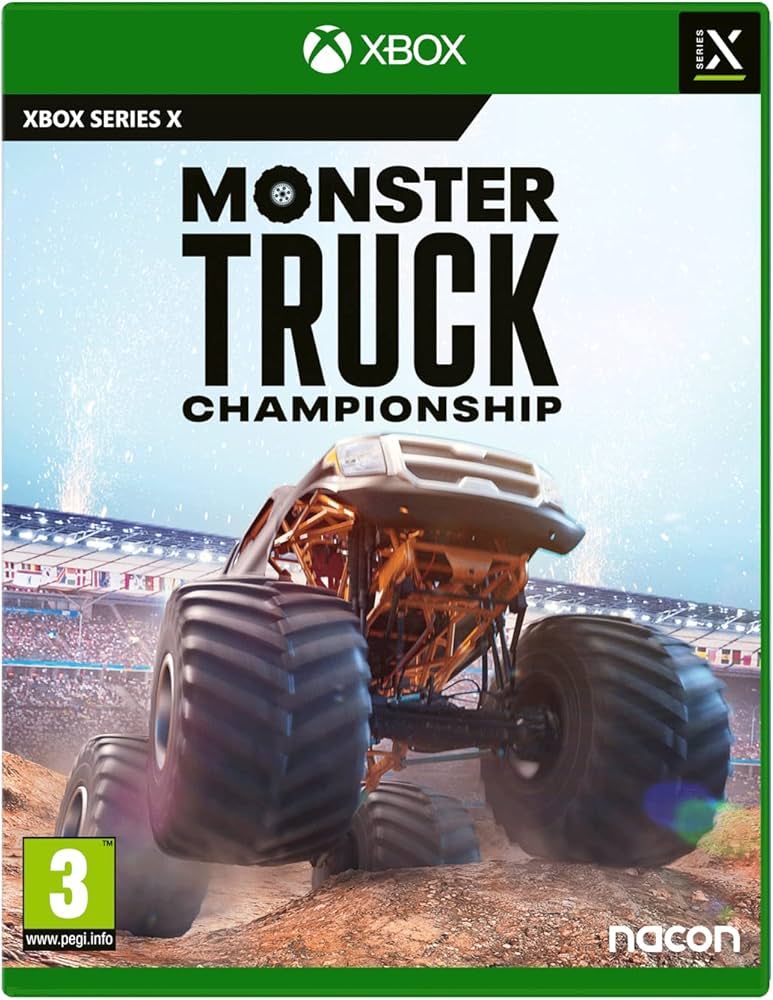
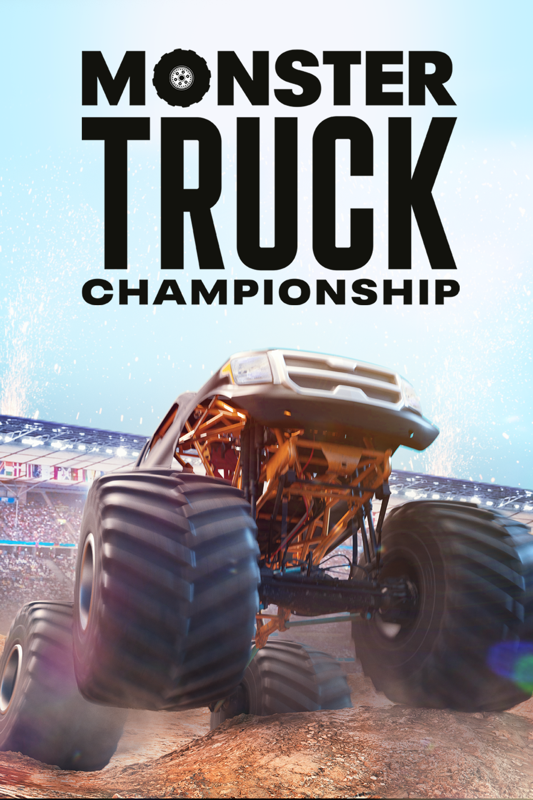
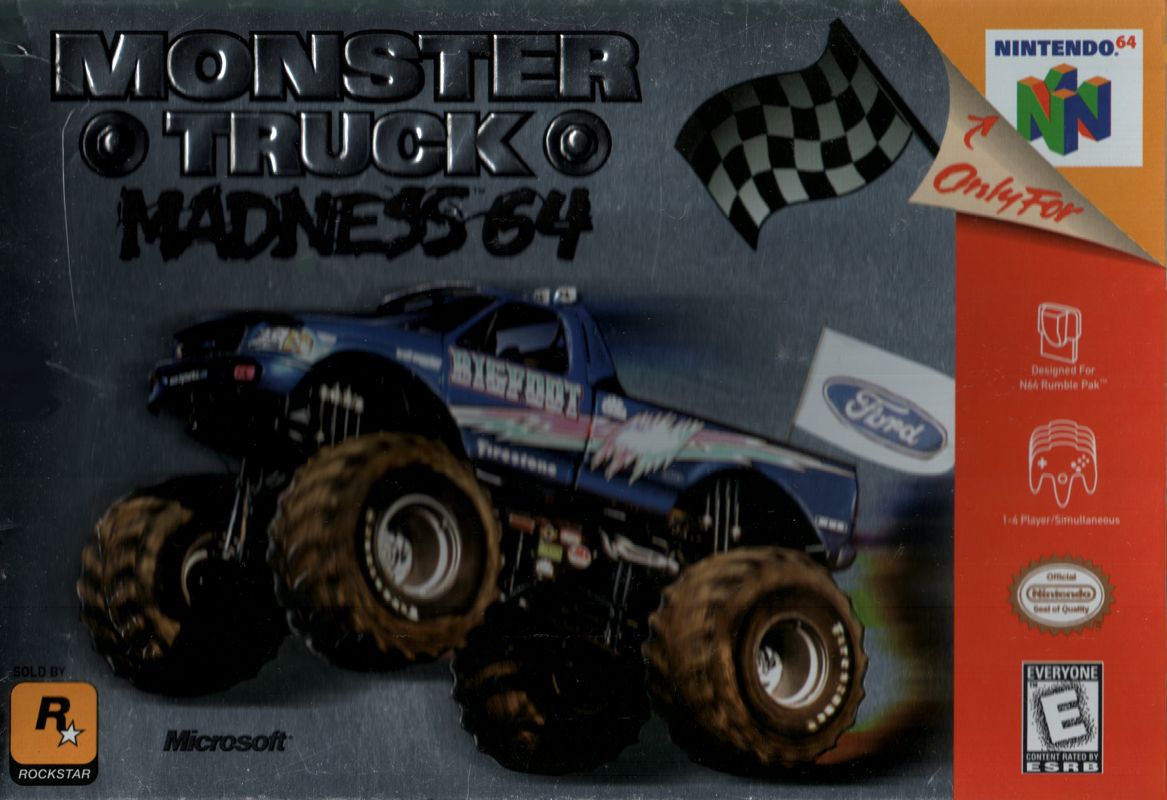
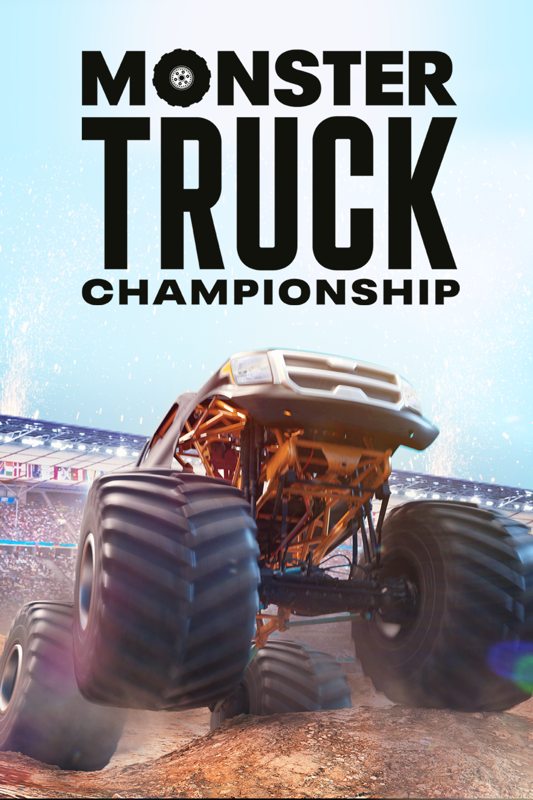
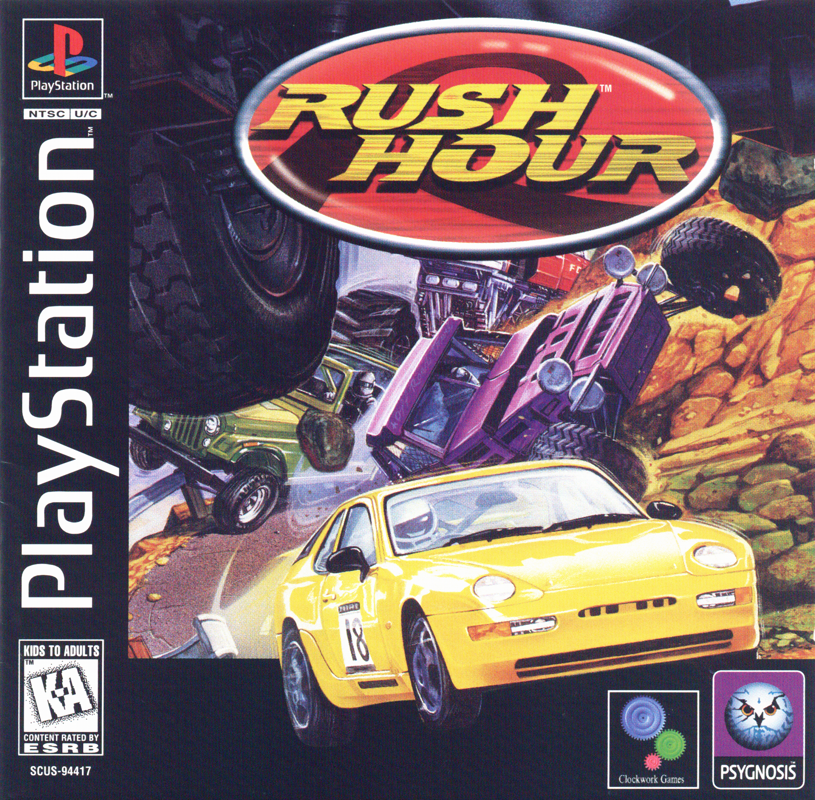
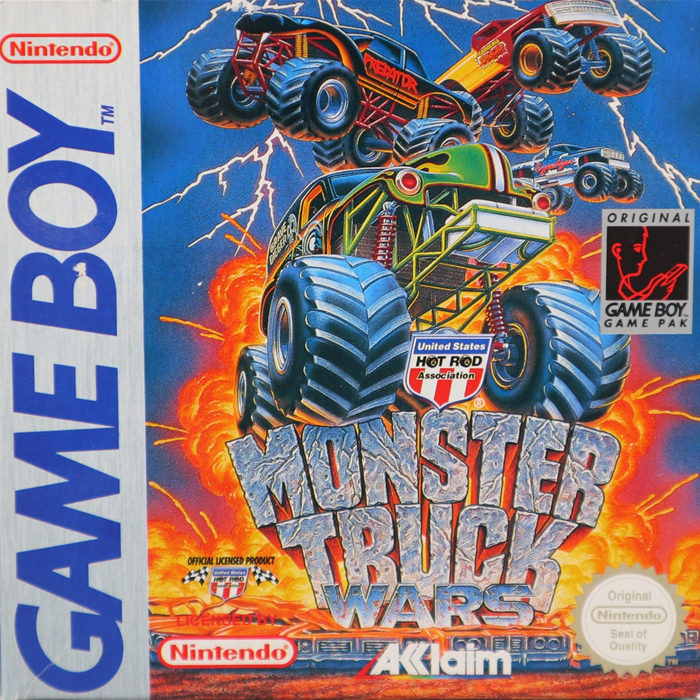
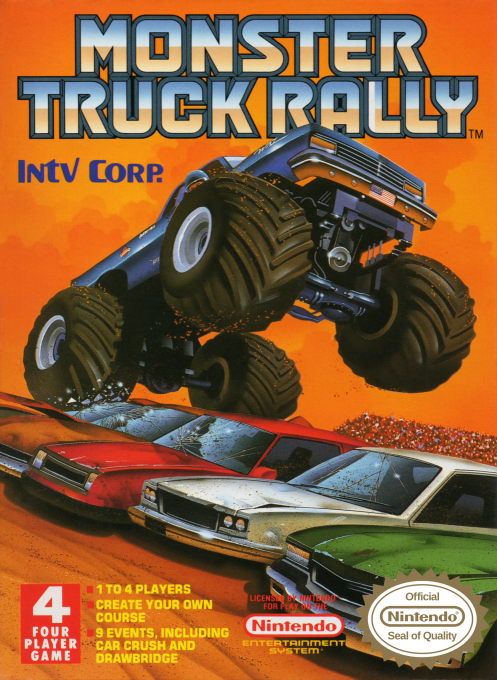
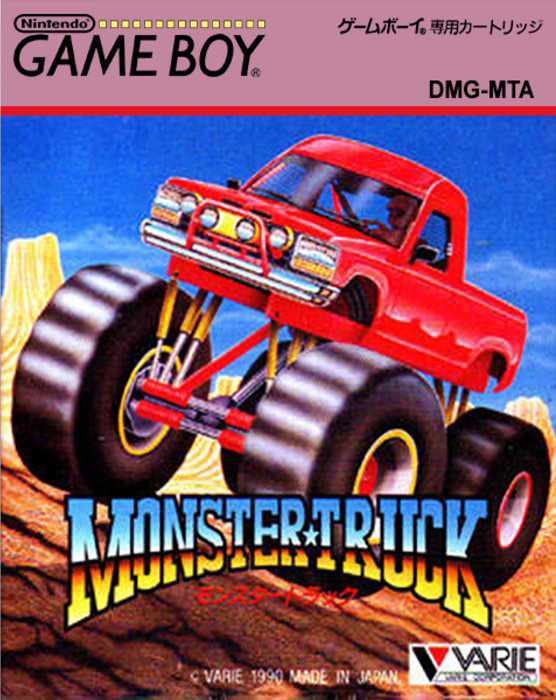
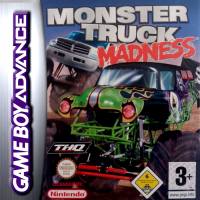
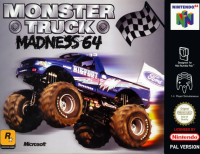
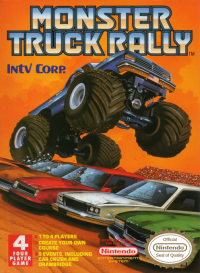
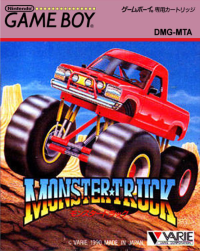
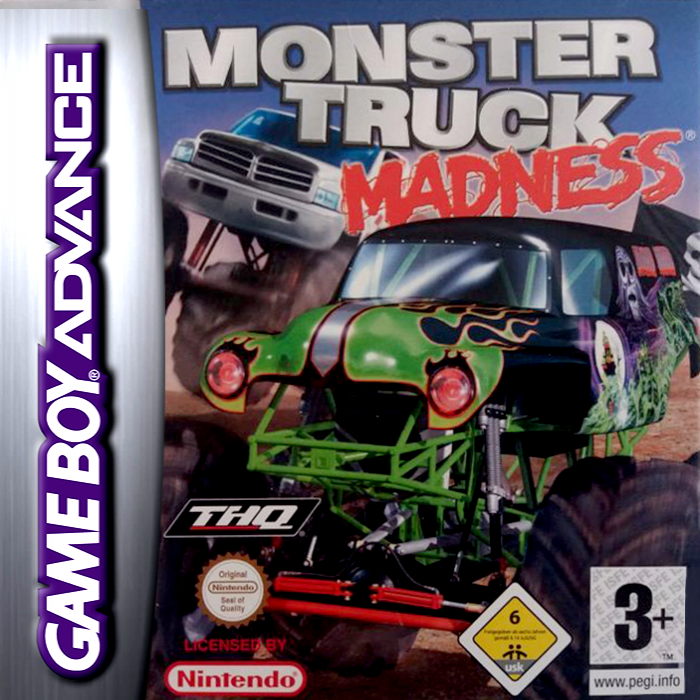
The Monster Truck appears as a selectable vehicle and competitor in early racing titles such as Monster Truck (1990) and Monster Truck Rally (1991). It continued to feature as a central playable entity in Monster Truck Wars (1994), Monster Truck Madness (1997), and as an unlockable or selectable vehicle class in the 1997 racing game Rush Hour.
In the 1990 release
Monster Truck, players experienced early top-down simulation mechanics, which laid the groundwork for
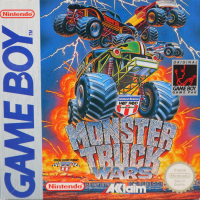
Monster Truck Rally. In the latter title, players managed mechanical wear, tire grip, and nitro boosts across diverse terrain types like mud bogs and desert sands. The transition to handheld gaming in
Monster Truck Wars introduced side-scrolling and isometric perspectives, where players navigated steep ramps, crushed junked cars, and upgraded individual truck components such as engines and suspension to survive increasingly hazardous tracks.
The mid-1990s shift to three-dimensional graphics redefined the vehicle's handling and environmental interactivity.
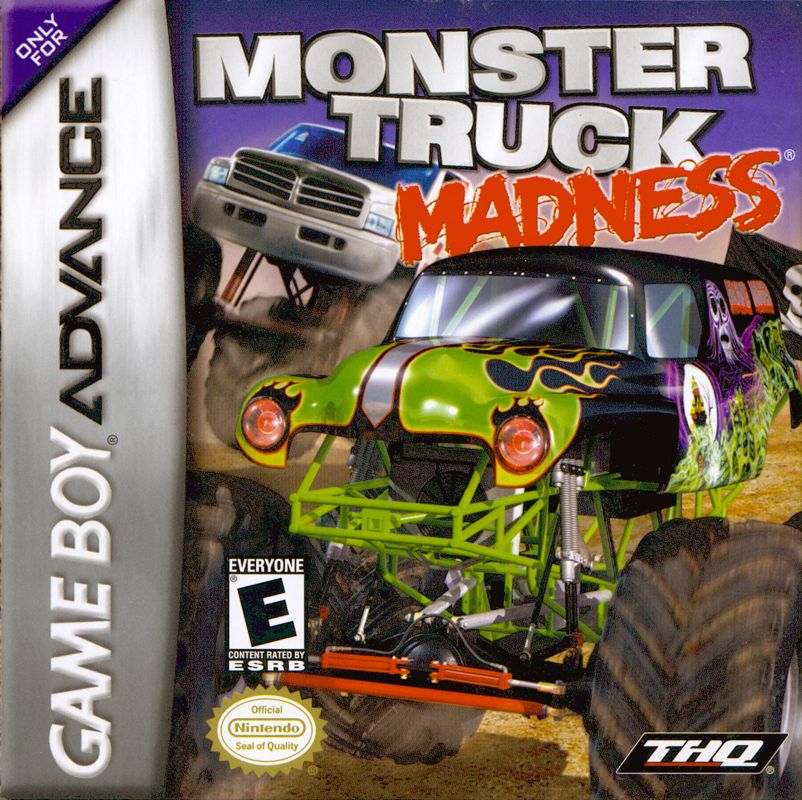
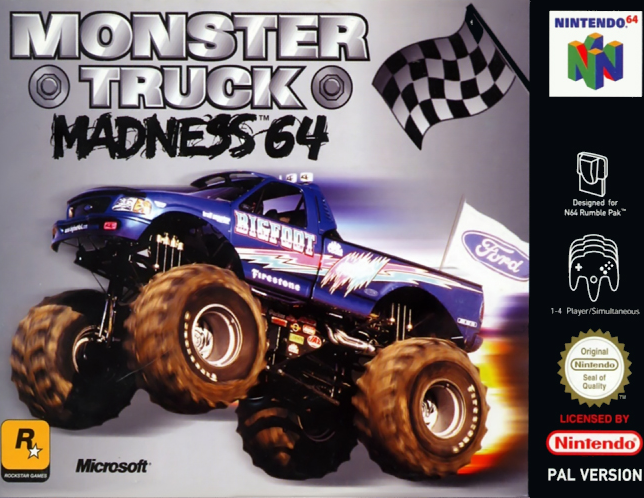
Monster Truck Madness introduced advanced physics engines that simulated independent wheel suspension, rollovers, and terrain deformation, allowing players to bypass traditional track boundaries. In
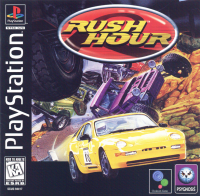
Rush Hour, the vehicle functioned as a heavy-class unlockable, contrasting with standard sports cars by utilizing its massive tire scale to easily bypass road hazards and ram competitors. Across these titles, the vehicle evolved from a simple sprite-based obstacle-climber into a complex physics object defined by high ground clearance and destructive capabilities.






.png)







.png)