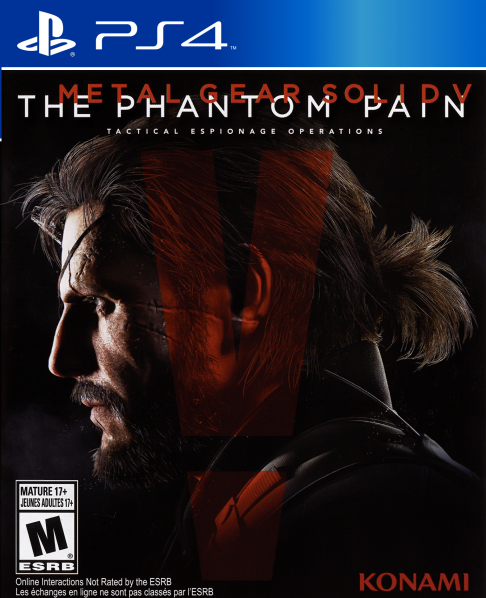
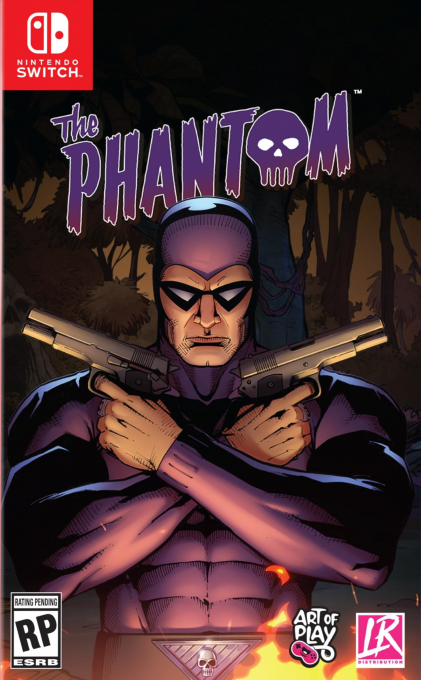
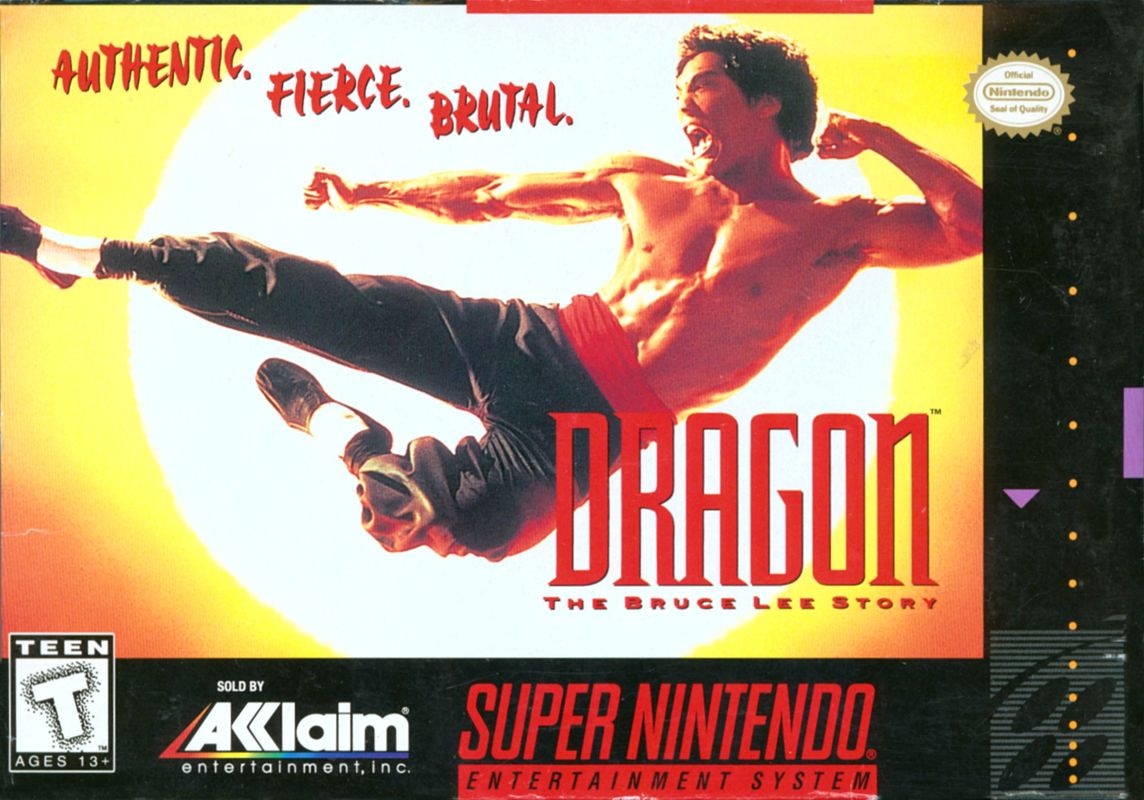
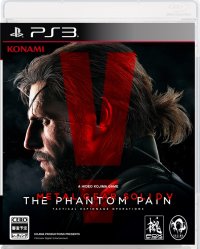
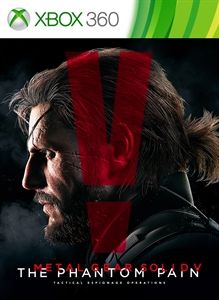
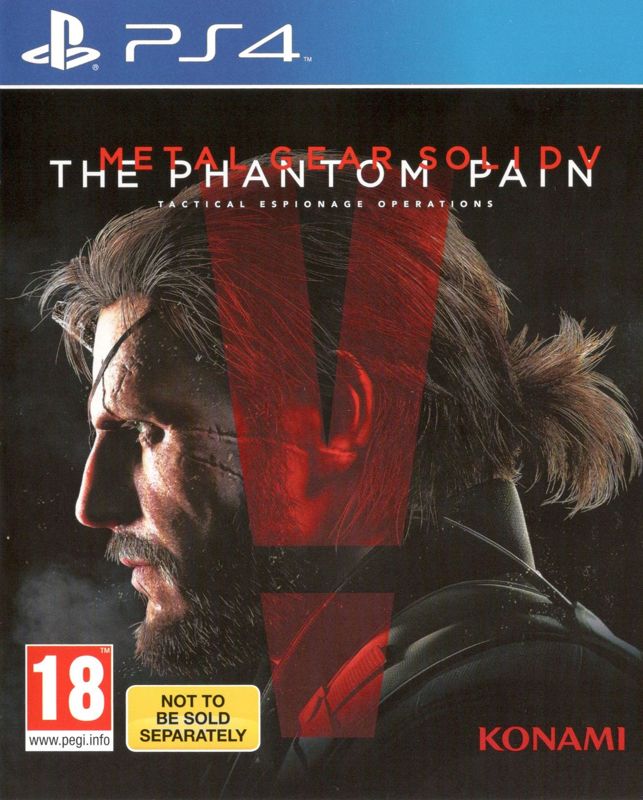
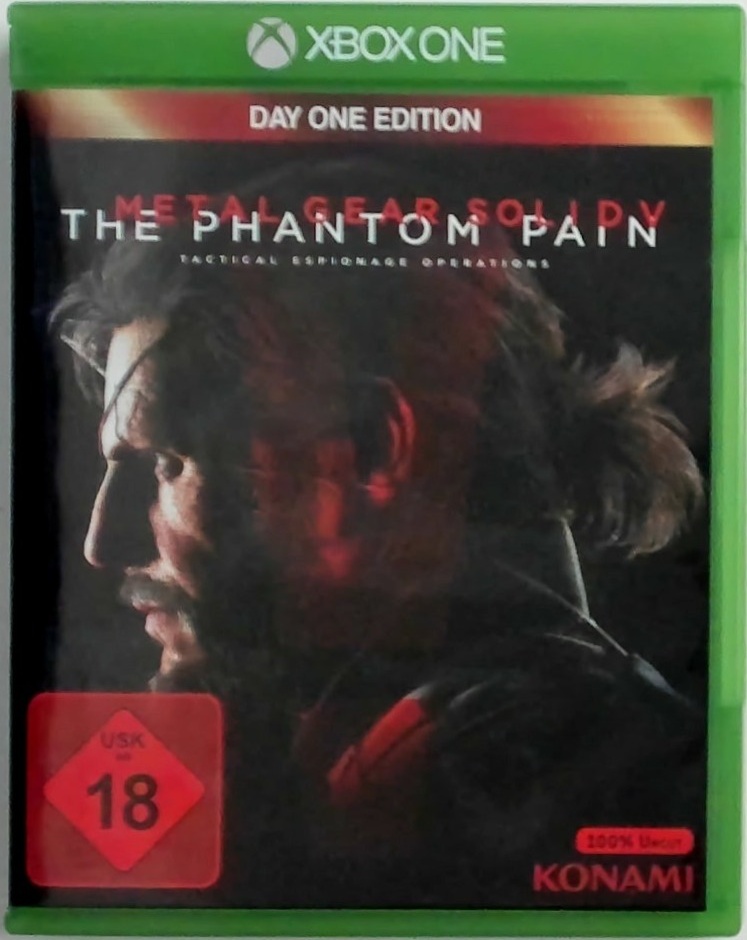
In 'Dragon: The Bruce Lee Story' (1995), The Phantom is a mystical, armored samurai boss representing Bruce Lee's fear of death. In 'Metal Gear Solid V: The Phantom Pain' (2015), the term refers to Venom Snake, who serves as a body double or 'phantom' for Big Boss. Additionally, the phrase appears in titles like 'Star Wars Episode I: The Phantom Menace' (1999), where it refers to Darth Sidious.
In the
Star Wars franchise, the adaptation
Star Wars Episode I: The Phantom Menace (1999) translated the cinematic threat of the hidden Sith into an action-adventure format for the PlayStation and PC, where players navigated the unseen machinations of the dark side. This thematic use of an elusive, unseen adversary also defines
Space-Time Detective DD: The Phantom Lorelei (1994), a Japanese adventure game where players investigate sci-fi mysteries surrounding a mysterious entity.
Within the
Naruto franchise,
Naruto Ultimate Ninja Heroes 2: The Phantom Fortress (2008) centers its original narrative on the Mugenjo, a flying illusionary castle that drains life force. Here, the "phantom" concept manifests as a physical, parasitic fortress that the shinobi must infiltrate. Meanwhile, the
Metal Gear Solid franchise utilizes the concept to explore psychological trauma and political deception. In
Metal Gear Solid V: The Phantom Pain (2015), the moniker extends beyond character identity to represent the phantom pain of lost limbs, lost homelands, and the phantom-like legacy of military forces operating without borders, culminating in a complex narrative about the cycle of revenge.


.png)




_1.png)




.png)








.png)

.png)
_1.png)