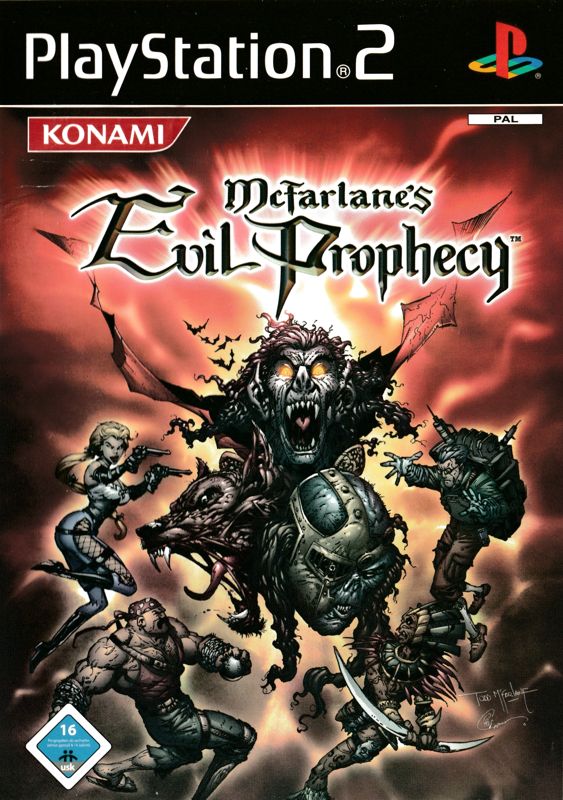
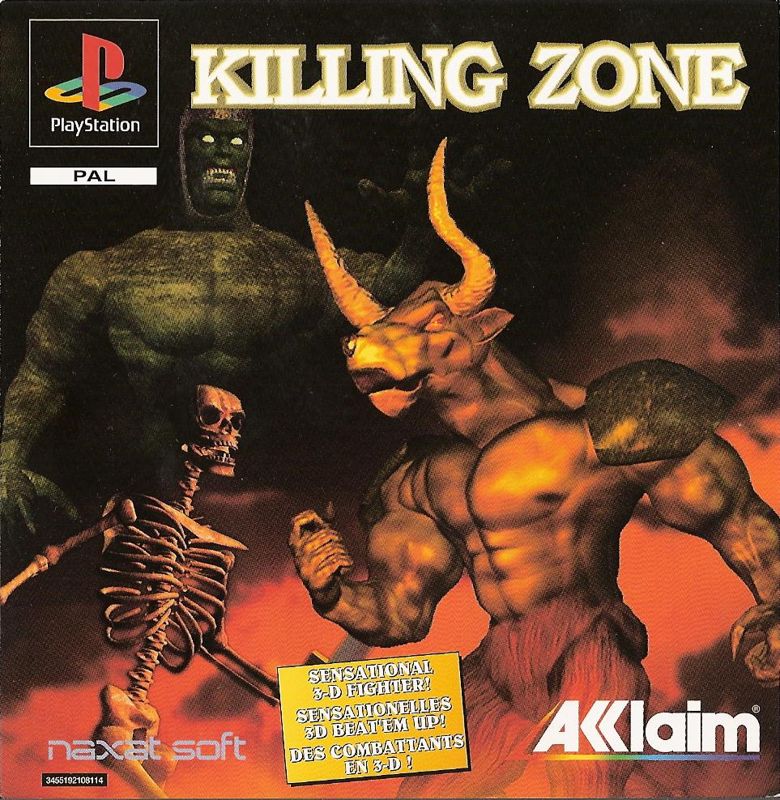
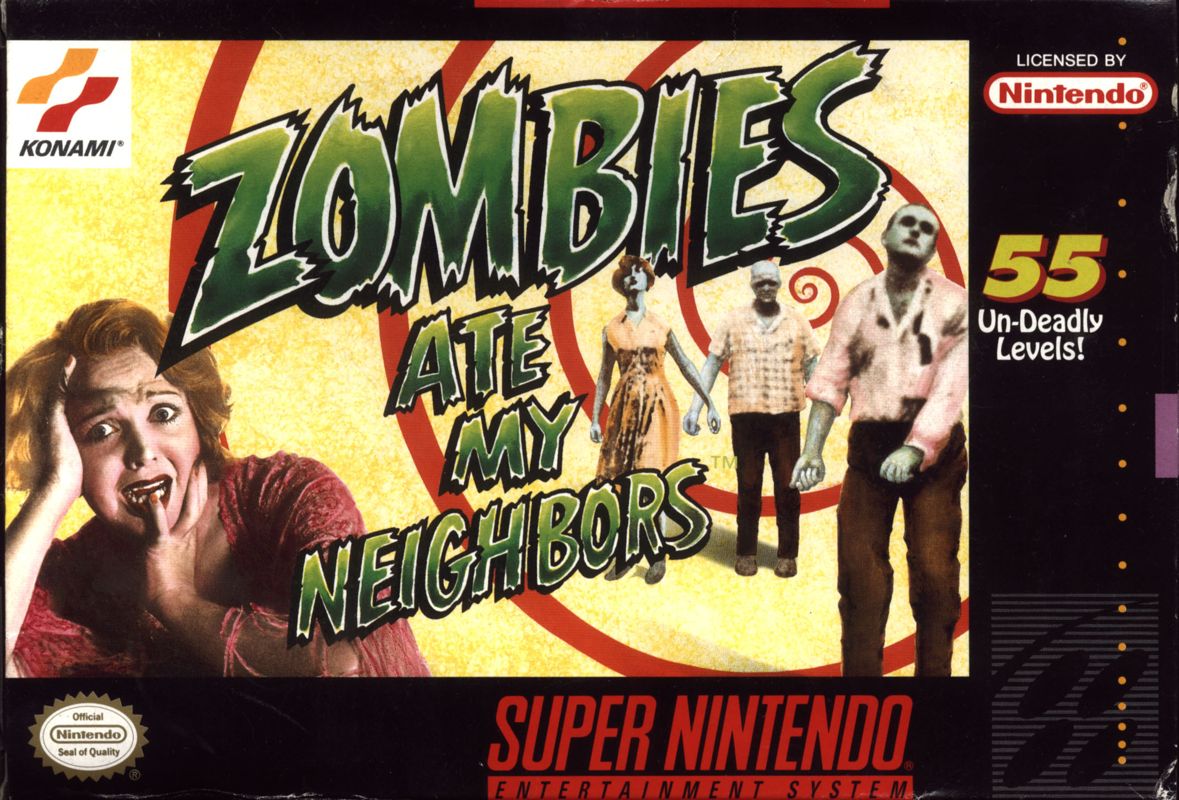
The Werewolf appears as a fast, leaping enemy in LucasArts' Zombies Ate My Neighbors (1993) and as a playable combatant in the fighting game Killing Zone (1996). It also features as a summonable beast in Tecmo's Deception: Invitation to Darkness (1996) and as an opponent in Spawn: The Eternal (1997) and McFarlane's Evil Prophecy (2000). Additionally, the creature can be recruited as a puppet ally in the tactical RPG Rhapsody: A Musical Adventure (2000).
In
Zombies Ate My Neighbors, players must utilize specific inventory items, most notably silver cutlery, to efficiently dispatch this threat, which frequently ambushes players by bursting through hedges. This adaptation of traditional folklore carries over to
Tecmo's Deception, where the creature's summoning requires strategic resource management within the game's castle-defense mechanics. For the fighting game
Killing Zone, the character's design showcases the era's early 3D weaponless combat mechanics, emphasizing raw physical strikes.
The character's inclusion in
Spawn: The Eternal and
McFarlane's Evil Prophecy highlights its role in late-1990s and early-2000s dark fantasy aesthetics, aligning with Todd McFarlane's signature gritty art style. In these action-oriented titles, the creature serves as a physical obstacle, requiring players to master close-quarters combat. Meanwhile, the tactical systems of
Rhapsody: A Musical Adventure integrate the creature into a broader collectible puppet mechanic, where players manage its stats and elemental affinities. Across these diverse genres, the representation of this classic monster transitioned from 2D sprite-based hazards to fully realized 3D polygonal models, reflecting the rapid technological evolution of the gaming industry during the fifth and sixth console generations.
.png)
.png)
.png)




.png)
.png)
.png)