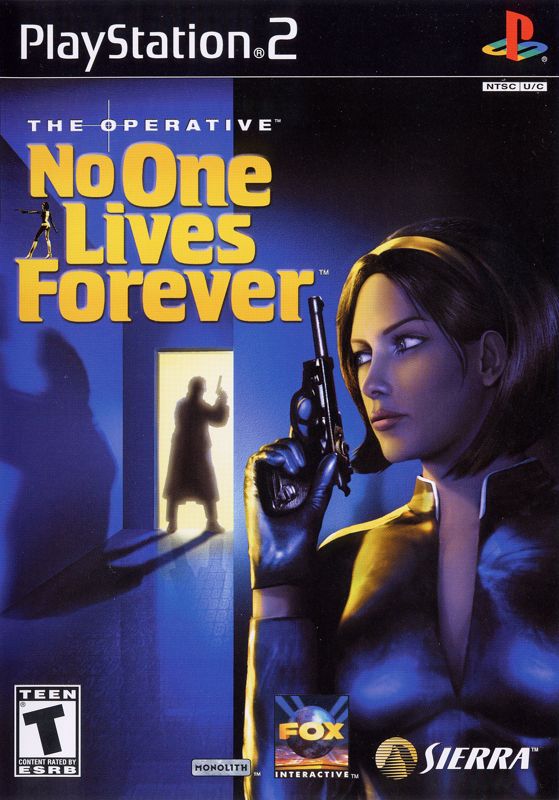
In the 1998 Game Boy game 007, bandages serve as consumable items that restore James Bond's health during his missions. Similarly, in the spy shooter The Operative: No One Lives Forever (2000), bandages are scattered throughout levels as minor medical supplies to recover health. They also appear as healing items in the 2000 release Whiplash to sustain the player character.
Within the overhead action-adventure framework of
007, players manage these items through an inventory screen, requiring strategic deployment during espionage missions across international locales. This mechanic demands careful resource conservation, especially during boss encounters where evasion is difficult.
In
Whiplash (2000), the item integrates into the fast-paced progression system, ensuring that players can maintain momentum without frequent restarts. Across all three franchises, this specific recovery resource exemplifies a distinct era of game design. Before the industry transitioned to automated, regenerating health mechanics in the mid-2000s, these physical pickups forced players to balance aggression with careful environmental scanning, cementing their role as essential components of early 3D and late 8-bit level design.




 (SGB Enhanced).png)

 (SGB Enhanced).png)