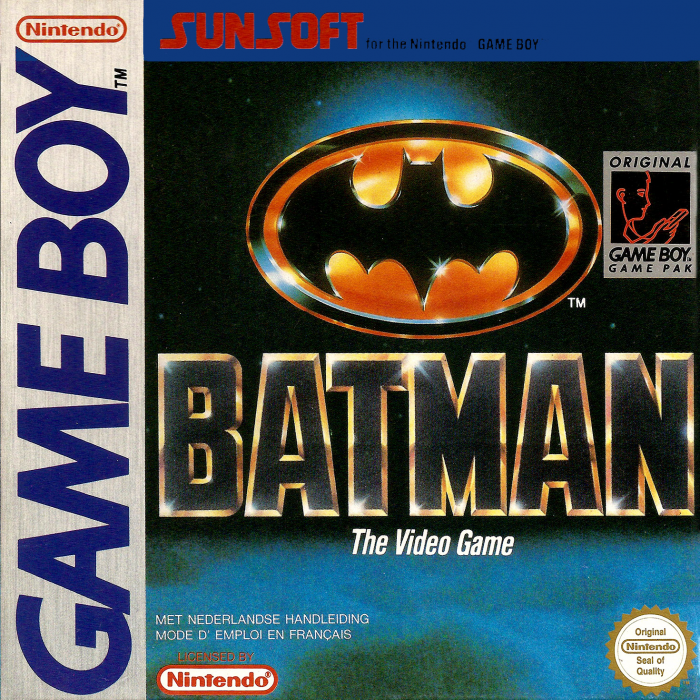
In classic titles like Andro Dunos and Batman: The Video Game (1990), collecting the 'Bonus' item (often represented by a 'B' icon) grants the player instant score points. In the Crash Bandicoot franchise, collecting specific character tokens allows players to access hidden Bonus Rounds to save progress and gather extra resources. Across these diverse genres, the item serves as a key incentive for exploration and high-score acquisition.
During the late 80s and early 90s, developers utilized this item to reward mastery of tight level layouts. In
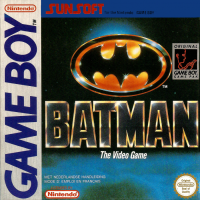
Batman: The Video Game (1990) and the side-scrolling shooter
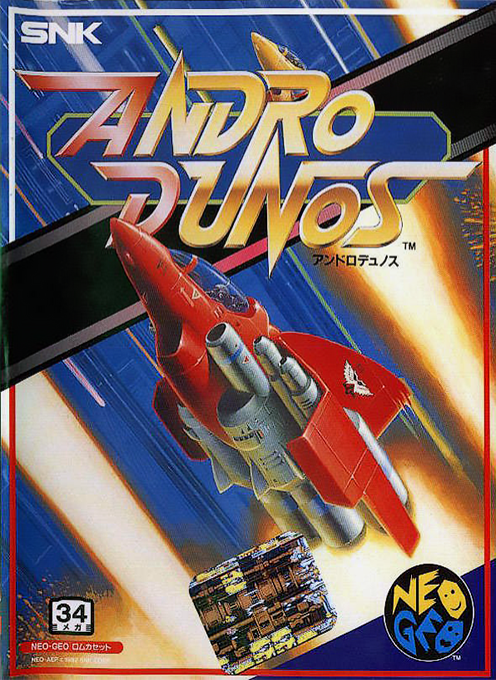
Andro Dunos, these pickups are strategically placed in hazardous paths, forcing players to risk survival for completionist runs. The isometric shooter
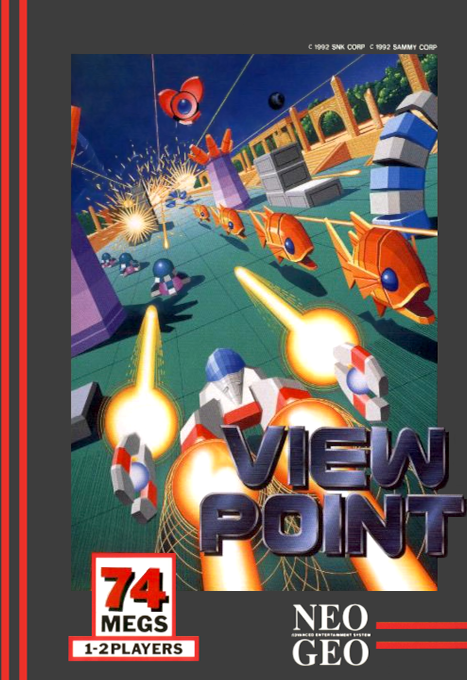
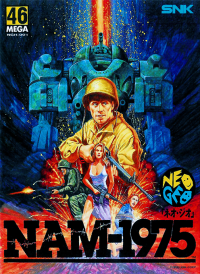
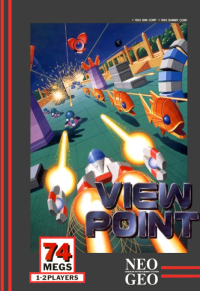
Viewpoint and the military action game
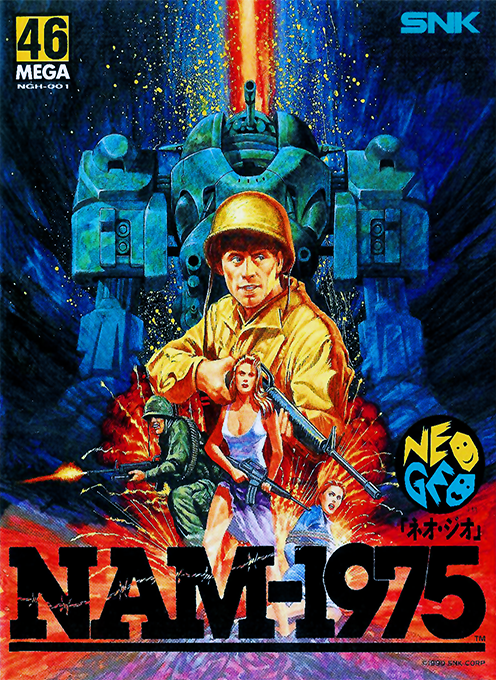
Nam 1975 hide these items within destructible environments, encouraging players to actively target background structures while dodging enemy fire. In
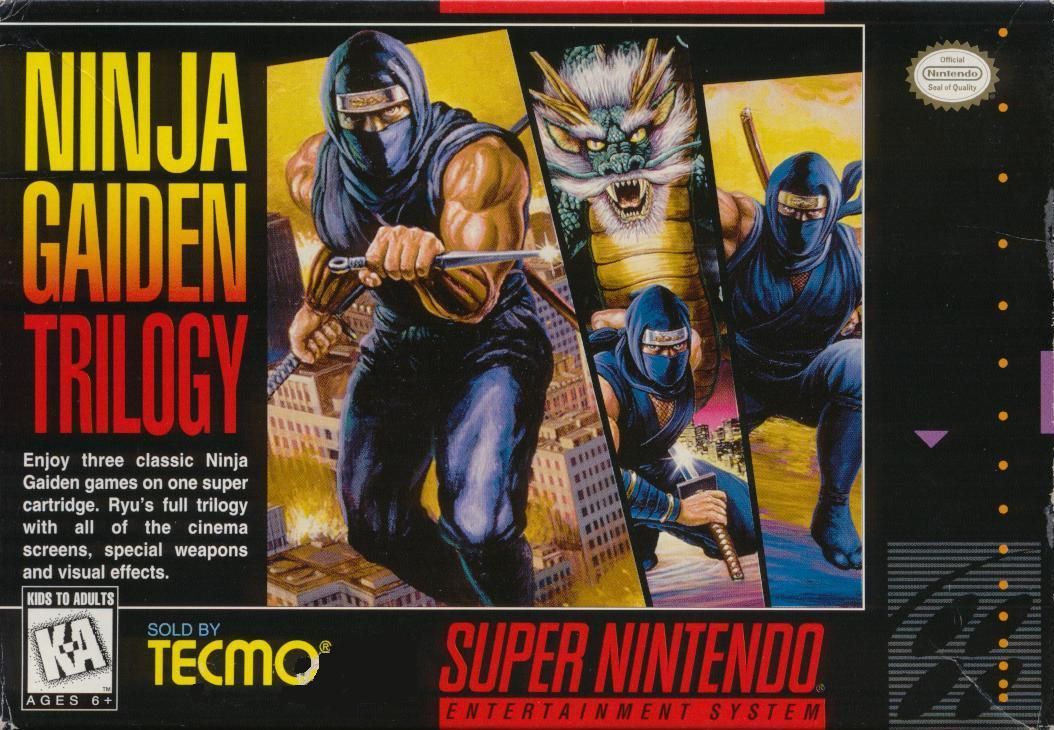
Ninja Gaiden Trilogy, the item maintains its classic role of boosting the player's end-of-stage performance metrics.
As game design transitioned into three dimensions, the implementation of the item shifted toward environmental puzzle-solving. In
Crash Bandicoot Black Label] and *Crash Bandicoot: Warped* [Lenticular Cover], the pursuit of these items dictates the pacing of the platforming challenges, requiring precise spin attacks and jump timing. This design philosophy extends to the physics-based puzzle game [Mercury Meltdown Remix, where players must navigate unstable liquid mercury blobs through complex mazes to secure the bonus items, transforming them from mere score boosters into critical tests of mechanical skill.



.png)

.png)

.png)

.png)



.png)

.png)
.png)
.png)
.png)
.png)