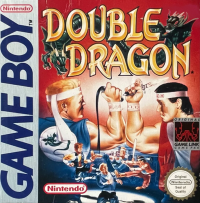
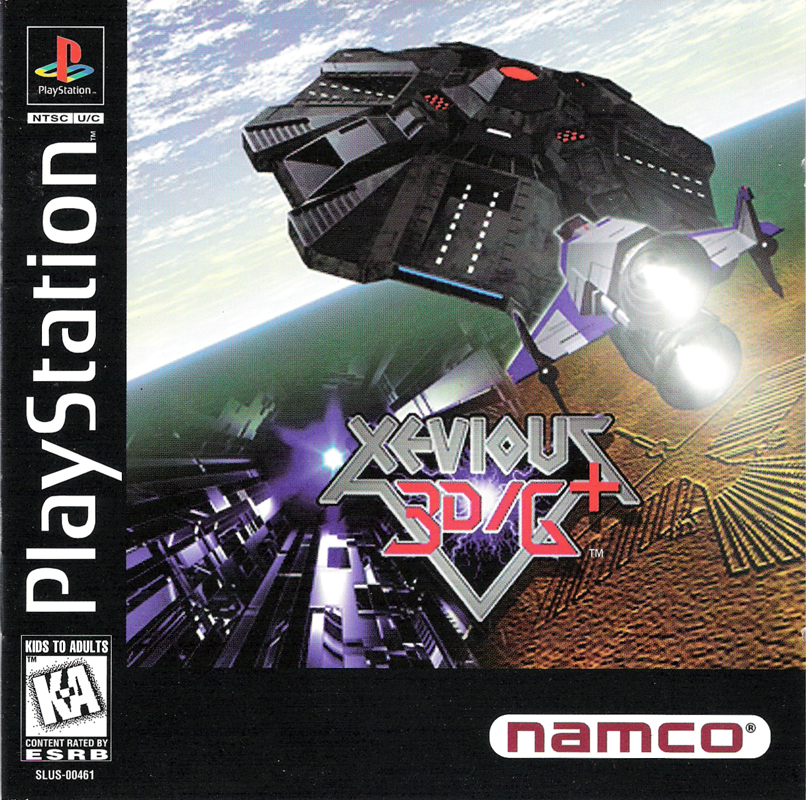
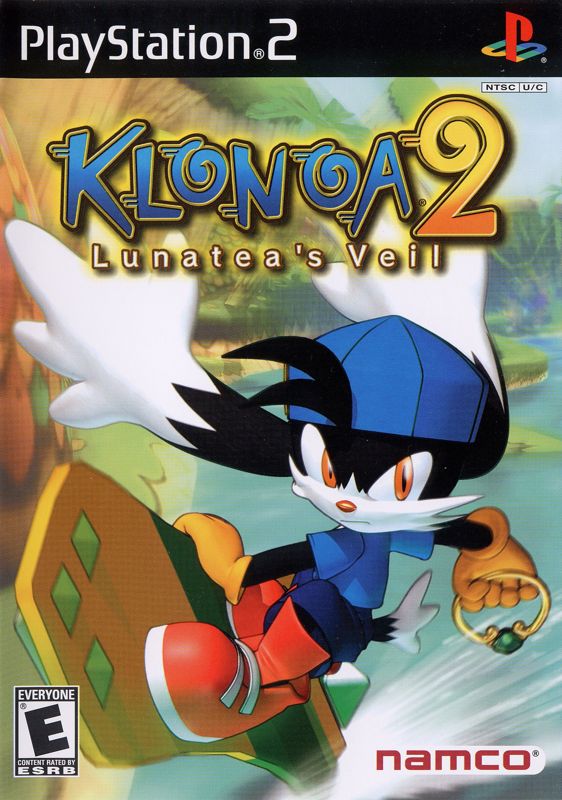
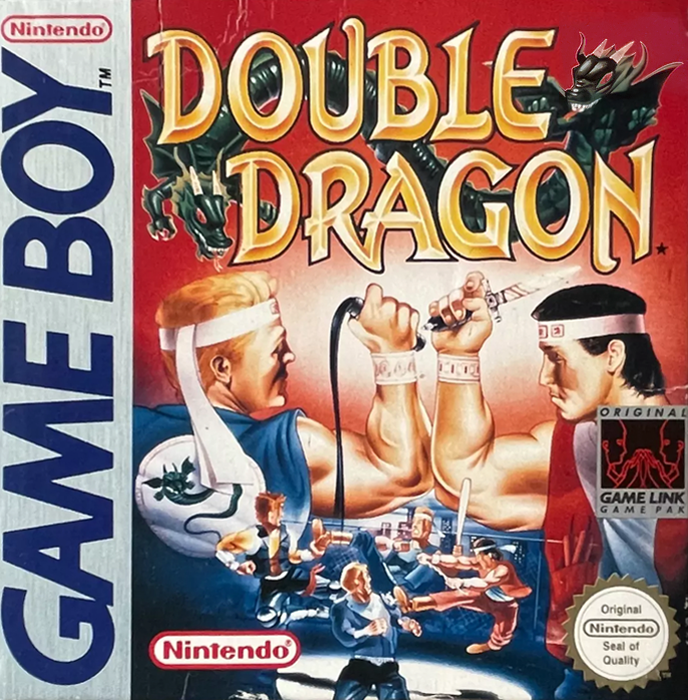
In the Game Boy version of Double Dragon (1990), the box appears as a heavy object that players can pick up and hurl at enemies for significant damage. Within the Klonoa series, including Klonoa 2: Lunatea's Veil, boxes serve as vital puzzle-solving elements that the protagonist can grab, throw, or use as platforms to reach higher areas. In Xevious 3D/G+, boxes or crates appear as destructible obstacles or structural elements within the game's scrolling environments.
The integration of these distinct properties under the
Double Dragon franchise banner highlights the evolving role of environmental interaction in classic gaming. In the 1990 Game Boy port of
Double Dragon, the item represented one of the earliest portable iterations of interactive stage hazards, translating the arcade beat-em-up experience to handheld hardware. As game design shifted toward three dimensions, the release of
Xevious 3D/G+ (1997) integrated the object into polygonal space, adapting classic shoot-em-up obstacles into a 32-bit visual framework.
This design philosophy reached further complexity in
Klonoa 2: Lunatea's Veil (2001) and its corresponding
Klonoa 2: Lunatea's Veil [Promo] (2001) distribution. In these platformers, the item transitioned into a core mechanical tool, reflecting the era's emphasis on spatial puzzles and 2.5D level design. Across these diverse releases, the item serves as a historical marker for how developers utilized simple geometric shapes to expand gameplay depth, bridging the gap between early 8-bit limitations and the sophisticated physics of the fifth and sixth console generations.