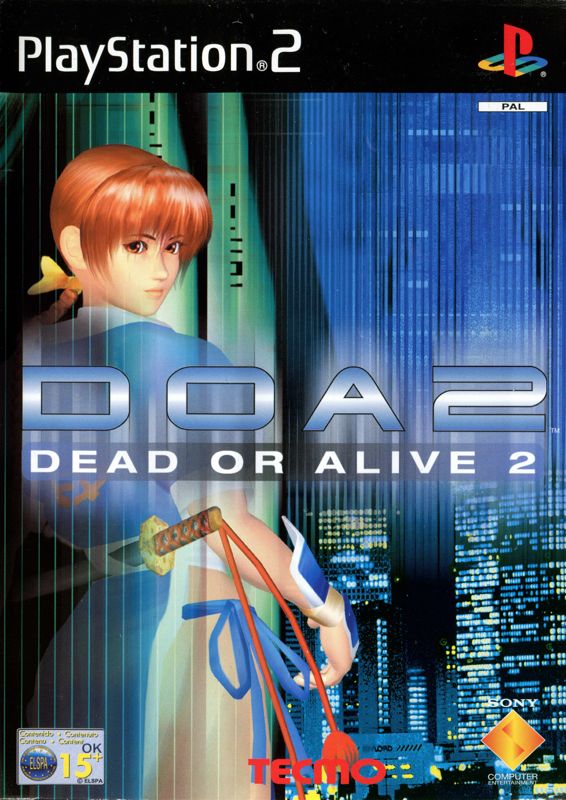
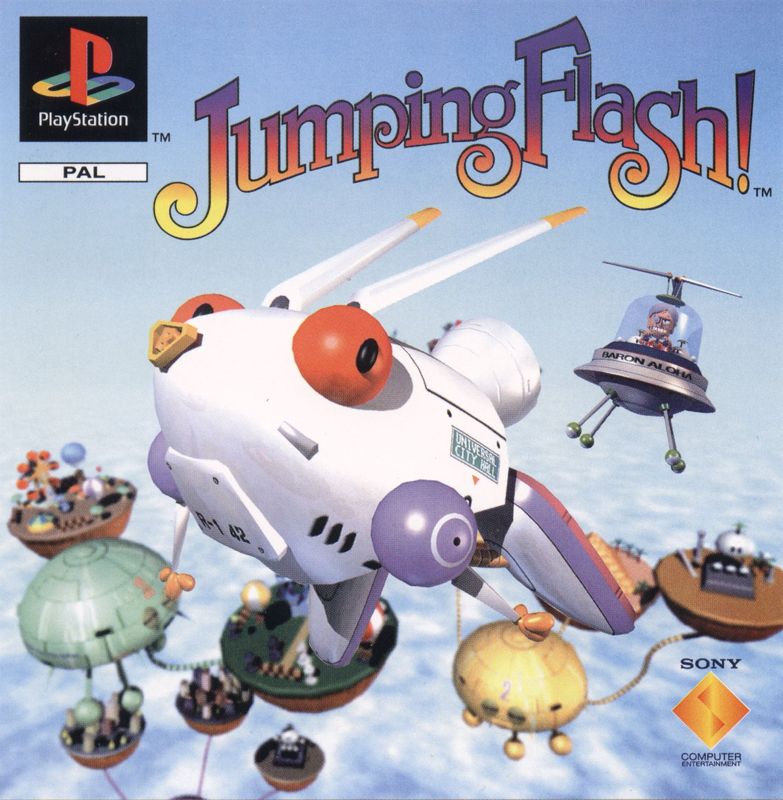
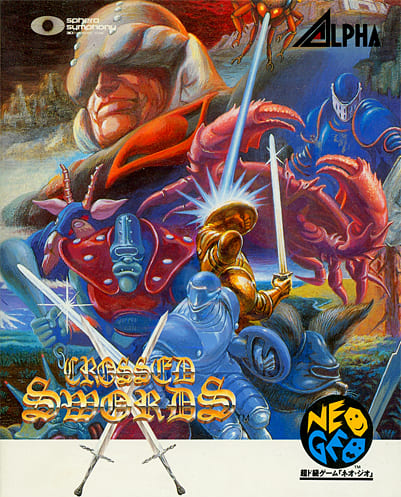
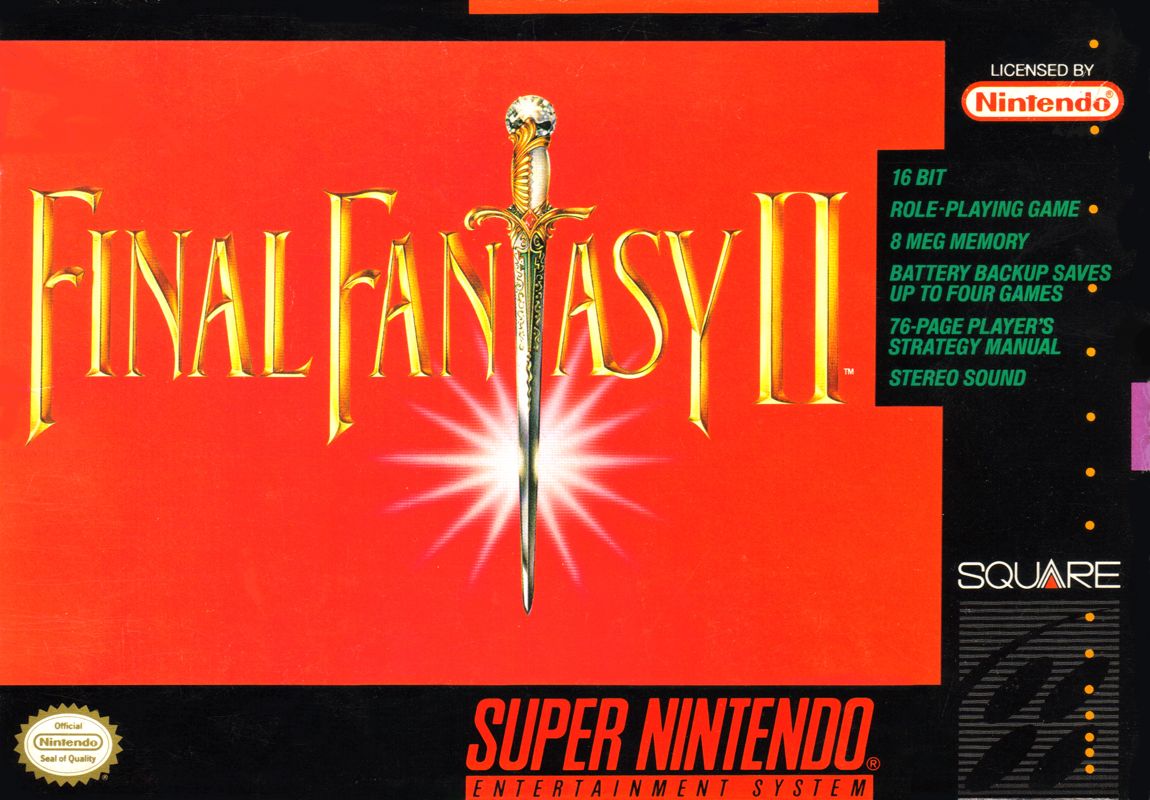
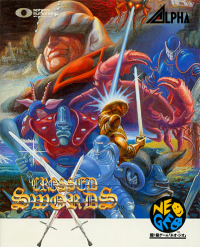
In Final Fantasy II (1991), the Carrot is used to summon the Fat Chocobo to store items. It serves as a vital collectible for progression in Bugs Bunny Crazy Castle 3 (1999) and appears as a health or score-boosting item in Jumping Flash! (1995), Crossed Swords (1991/1993), and Dead or Alive 2 (2000).
The item's appearance across these diverse franchises highlights the transition of 2D sprite-based design into early 3D environments during the 1990s. In the
Bugs Bunny Crazy Castle series, the carrot aligns with the classic Warner Bros. cartoon lore, serving as a thematic staple across Kemco's puzzle-platformers. For SNK's
Crossed Swords franchise, the item represents the arcade era's reliance on visual food cues to sustain gameplay momentum during intense first-person melee combat.
Within the
Dead or Alive fighting franchise, specifically
Dead or Alive 2, the carrot functions as a randomly spawning interactive element during survival mode, reflecting Team Ninja's inclusion of playful, high-value collectibles to break up competitive matches. Similarly, in the pioneering 3D platformer
Jumping Flash!, the item is scattered across floating stages, guiding player navigation and rewarding vertical exploration. The localization history of the
Final Fantasy franchise also intersects with this item; in the 1991 North American release of
Final Fantasy II, the Japanese "Gysahl Greens" were renamed "Carrot" to simplify terminology for Western audiences, establishing a recurring motif for the Chocobo sub-mechanics.