In action-adventure and role-playing games, the Compass serves as a vital tool for exploration. In franchises like The Legend of Zelda, it traditionally reveals the locations of chests and the boss within dungeons. In first-person shooters like Medal of Honor (1999), it functions as a head-up display element to guide players toward military objectives.
Following its foundational role in
The Legend of Zelda franchise, the compass evolved across various genres to address unique spatial challenges. In
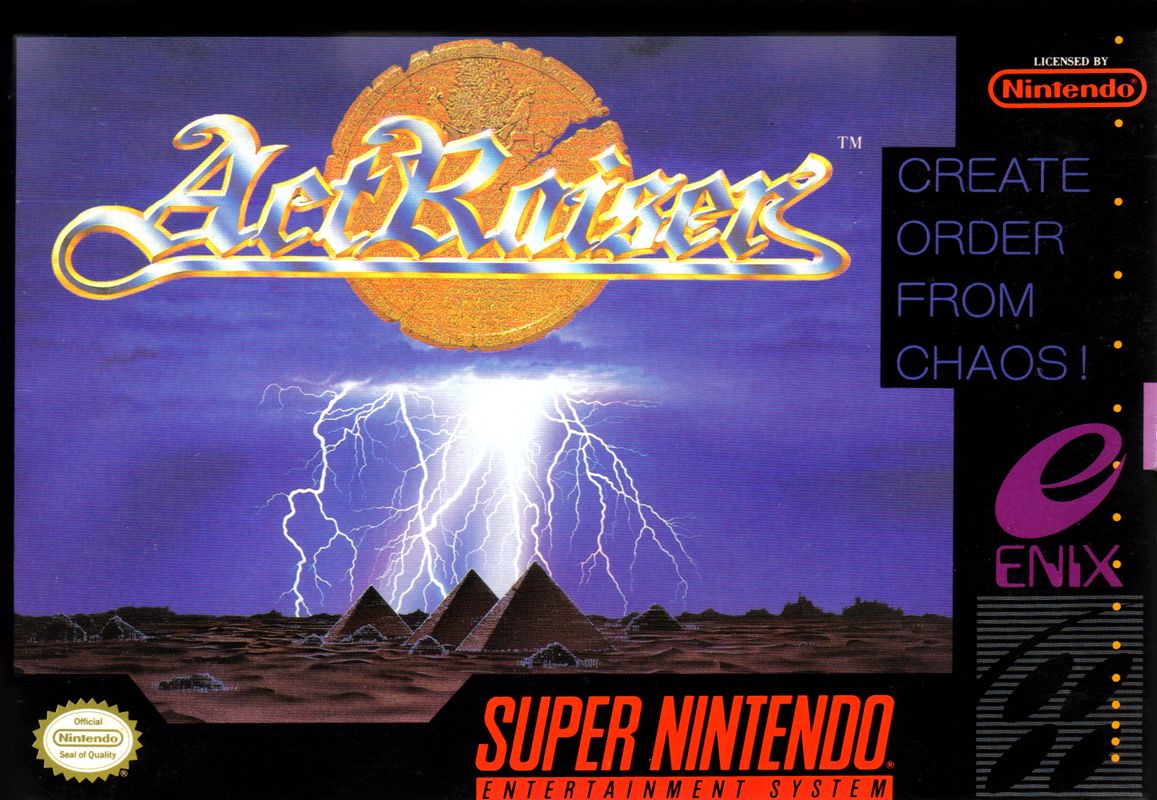
ActRaiser (1991), the compass serves as a directional aid during the simulation phases to guide the player's avatar. In the beat-'em-up
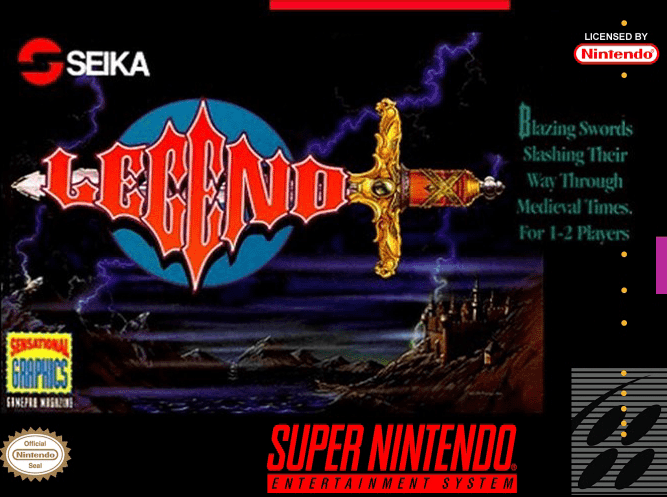
Legend (1994) and the action-RPG
Quest for Camelot (1999), the item assists in navigating fantasy landscapes, bridging the gap between classic top-down adventure design and 1990s quest structures.
The
Medal of Honor franchise integrated the compass directly into the player's screen layout starting with
Medal of Honor (1999), establishing a tactical navigation standard for historical shooters. In
Alundra 2 (2000), the compass aids in solving 3D platforming puzzles by maintaining orientation in shifting environments. Handheld titles like
Stuart Little The Journey Home (2001) adapted the mechanic for younger audiences, utilizing the compass to simplify level navigation on limited hardware. Across these diverse releases, the compass transitioned from a physical inventory collectible to a permanent user interface staple, shaping how players map virtual spaces.