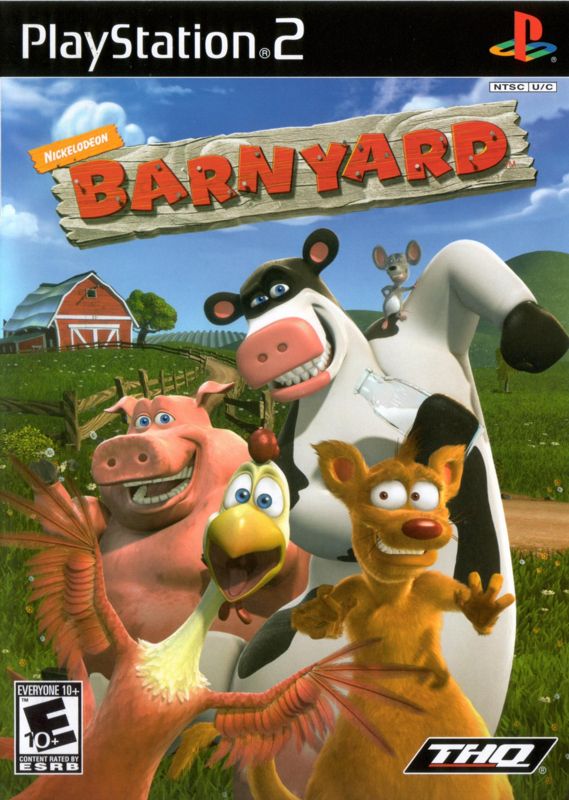
In Donkey Kong Country 2: Diddy's Kong Quest, crates are throwable objects that can defeat enemies or break open to reveal hidden items and animal companions. Across other featured titles like Worms Armageddon and Barnyard, crates serve as destructible obstacles or supply drops containing essential weapons and power-ups. They are a fundamental gameplay element used for resource gathering and puzzle-solving within these action and platforming franchises.
Originating as interactive physical elements in early 1990s titles, these objects gained prominent mechanical roles across the
Donkey Kong Country,
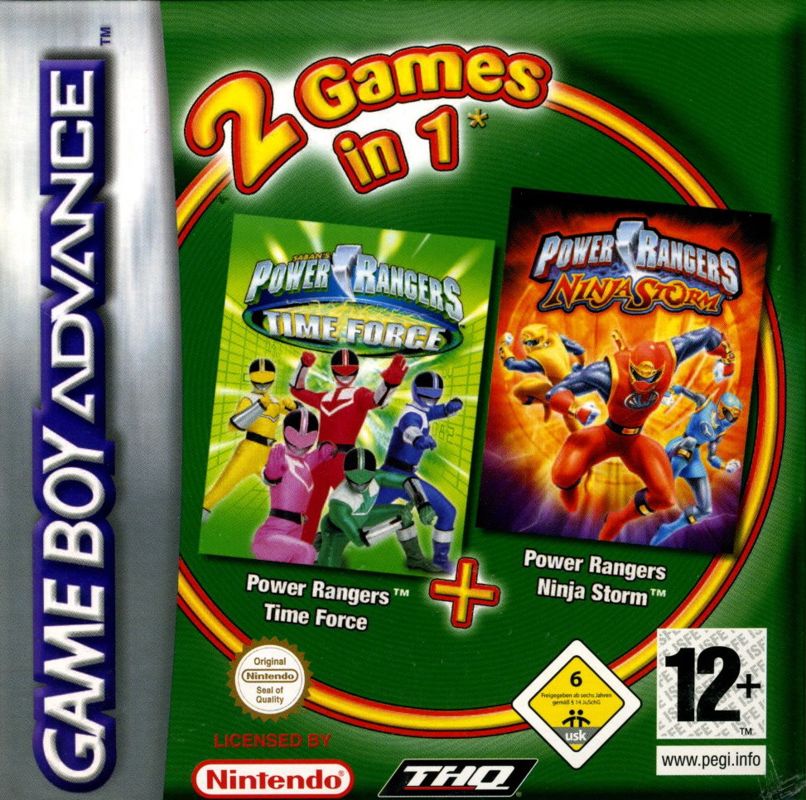
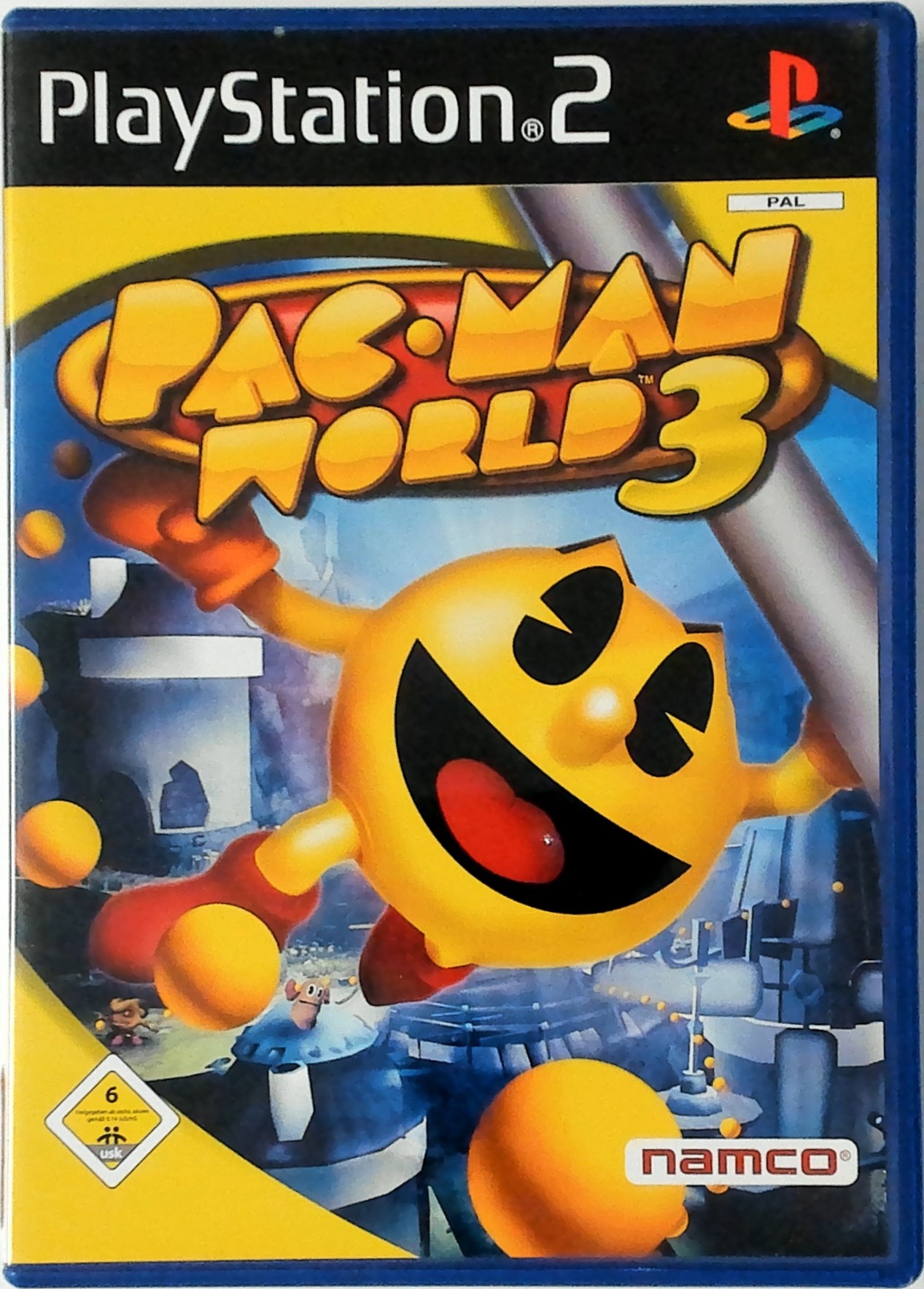
Pac-Man World, and
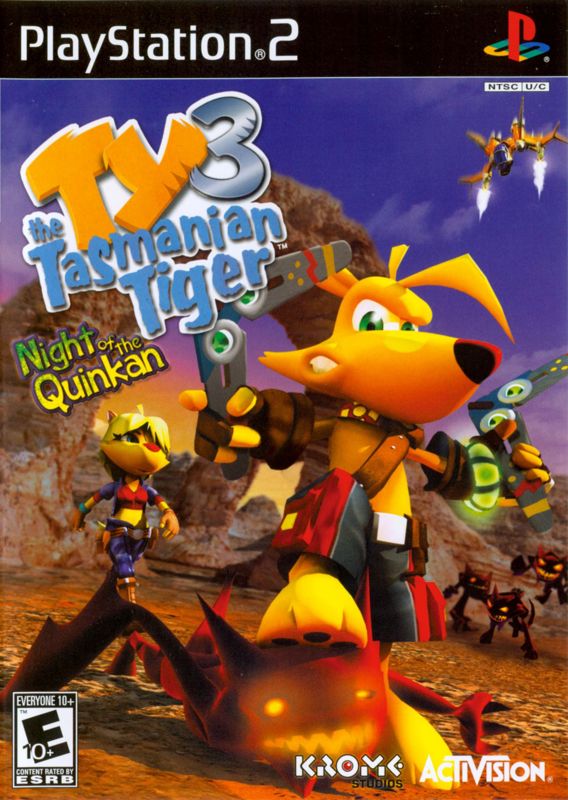
Ty the Tasmanian Tiger franchises. In
Ultima Runes of Virtue II (1994), they functioned primarily as block-pushing puzzle components. The release of
Donkey Kong Country 2 (1995) and its rare
Donkey Kong Country 2 [Not for Resale] (1995) demo cartridge solidified their role as physics-based environmental tools.
By the turn of the millennium, games like
Worms Armageddon (1999) integrated them into randomized turn-based strategies, while
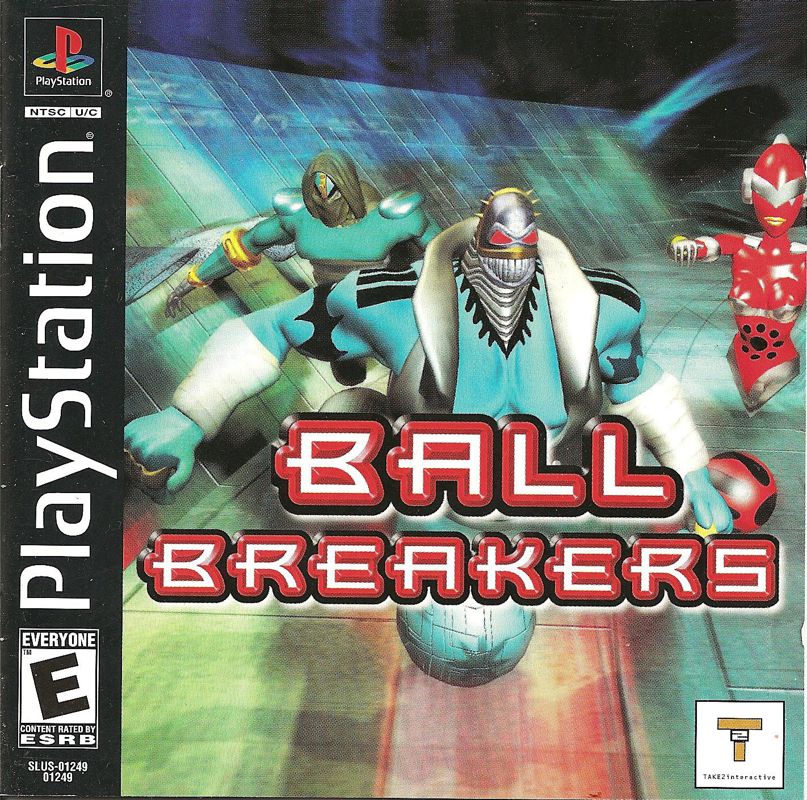
Ball Breakers (2000) and the promotional
Spartan Total Warrior [Promo Not For Resale] (2000) utilized them to structure arena layouts and combat pacing. In
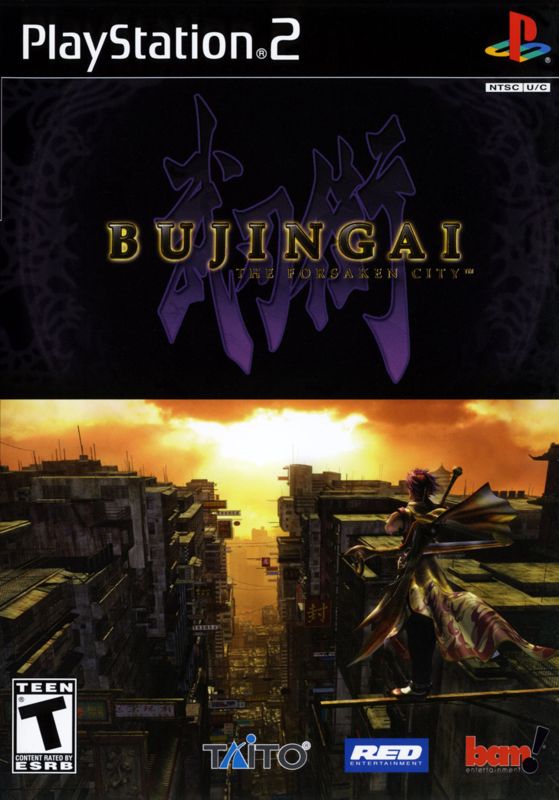
Bujingai: Swordmaster (2000) and the adaptation
Barnyard (2000), these containers became standard environmental assets that rewarded exploration. This progression established the object as a universal design shorthand for player interaction across diverse platforming and action genres.

.png)
.png)
.png)

 (Beta) (1993-07-30).png)









.png)
 (Beta) (1993-07-30).png)


.png)
.png)