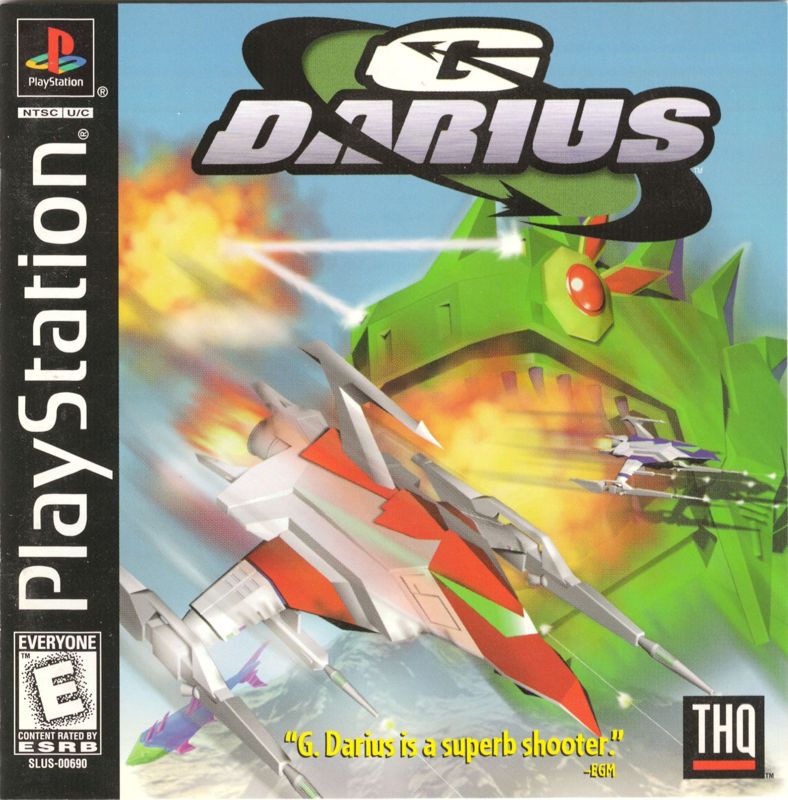
In the shoot-'em-up G. Darius (and its 1998 port), extra points are awarded through specific score items and multipliers. In the puzzle game Devil Dice, players earn extra points by chain-reacting dice faces, while the 1999 remake of Asteroids features collectible icons that boost the player's score.
During the late 1990s, the implementation of bonus score mechanics evolved as classic franchises transitioned to 3D hardware. In Taito's
G. Darius and its subsequent 1998 PlayStation port, the acquisition of these bonuses is tied directly to the capture mouth mechanic. By absorbing enemy ships to initiate counter-beam duels, players can multiply their score outputs exponentially, turning standard stage progression into high-risk routing for leaderboard dominance.
In the multiplayer puzzle title
Devil Dice, the pursuit of additional score increments dictates high-level strategy. Players manipulate a grid of rolling dice, where matching top faces triggers clearing sequences; sustaining these chains before the dice sink into the floor yields compounding point values essential for securing victory in competitive match types.
Activision's 1999 reimagining of
Asteroids modernized the vector-based original by scattering physical, glowing power-up icons across its grid-based arenas. Alongside weapon upgrades, these collectible score tokens reward players who venture away from safe zones. Similarly, the
Brunswick [Demo] (1994) showcased early interactive sports software design, utilizing targeted bonus point triggers to incentivize specific playstyles within its limited trial format.