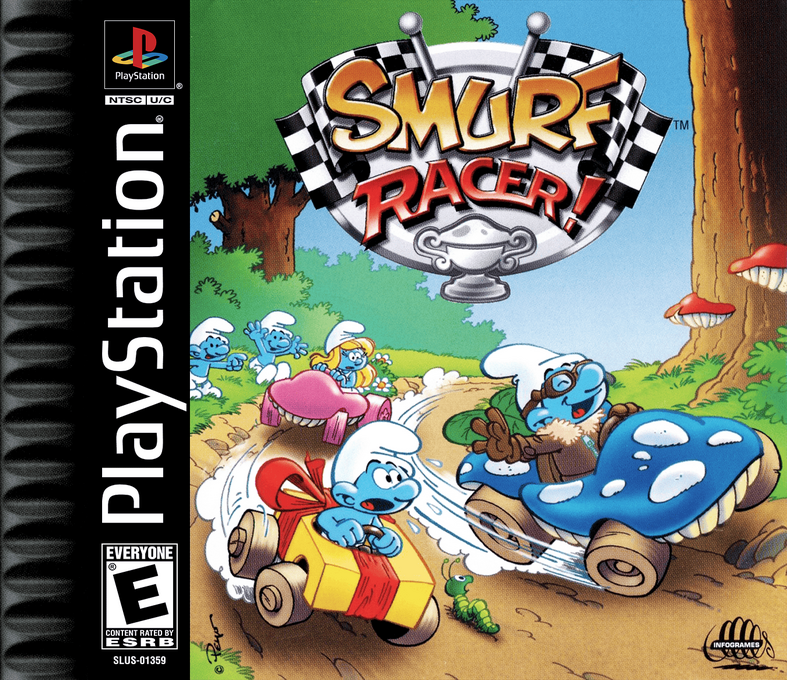
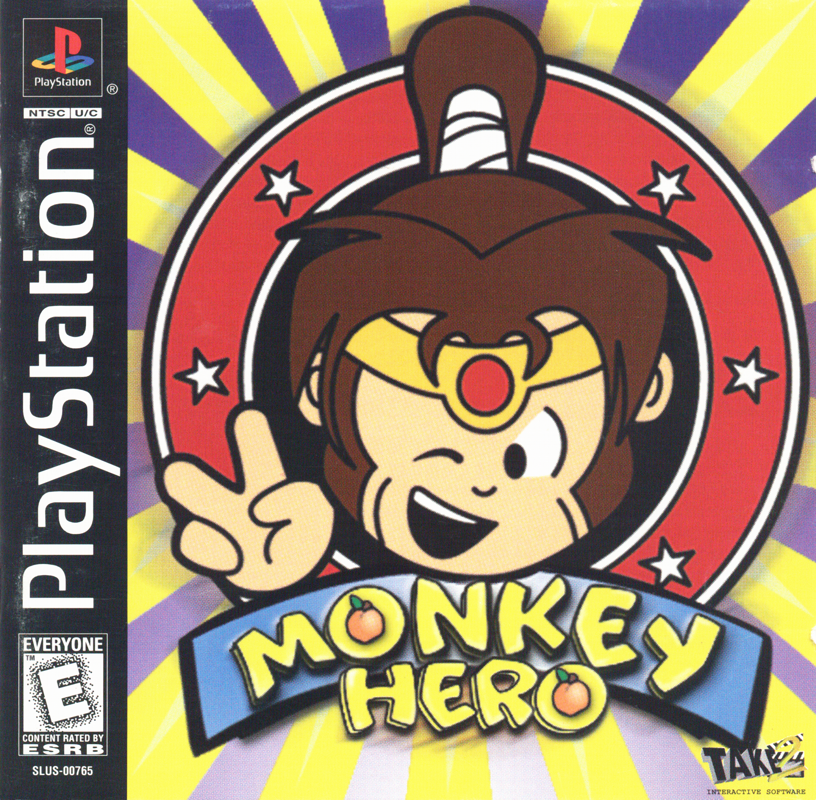
In the action-adventure game Monkey Hero (1999), Firecrackers serve as a usable tool to damage enemies and destroy specific barriers. In the racing game Smurf Racer (2001), they are picked up on tracks to be deployed against rival racers. In Spyro: A Hero's Tail (2004), they function as a limited-use explosive projectile weapon purchased from Moneybags or found in the environment.
The inclusion of firecrackers across these three distinct titles highlights a transitional era in late 1990s and early 2000s game design, where developers frequently adapted real-world pyrotechnics into accessible, cartoon-style weaponry. In
Monkey Hero, a PlayStation title heavily inspired by the classic Chinese novel
Journey to the West, the item aligns with the game's traditional Eastern aesthetic and is managed alongside other mystical tools in the player's inventory.
For
Smurf Racer, also released on the PlayStation, the item represents the adaptation of the classic kart-racing formula popularized in the fifth console generation, serving as a localized hazard within the whimsical Smurf village environments.
By the release of
Spyro: A Hero's Tail on the PlayStation 2, GameCube, and Xbox, the item's integration reflected a broader industry shift toward resource management and economy-based gameplay. This title marked a departure for the
Spyro franchise by introducing a dedicated ammunition system, requiring players to budget their collected gems at automated vending portals. Across all three franchises, firecrackers bridged the gap between fantasy themes and practical gameplay mechanics.