In the Silent Hill franchise, the pocket flashlight is a signature tool worn on the protagonist's chest pocket, illuminating dark areas but also attracting monsters. In Shadow Man, it serves as a basic tool for navigating the dark, desolate areas of Deadside. Across these titles, the item is essential for exploration, puzzle-solving, and spotting threats in low-visibility environments.
In
Silent Hill (1999), the implementation of the flashlight served as a major technical showcase for the PlayStation, utilizing real-time lighting calculations to project dynamic shadows that defined the aesthetic of psychological survival horror. This design choice influenced the item's placement in
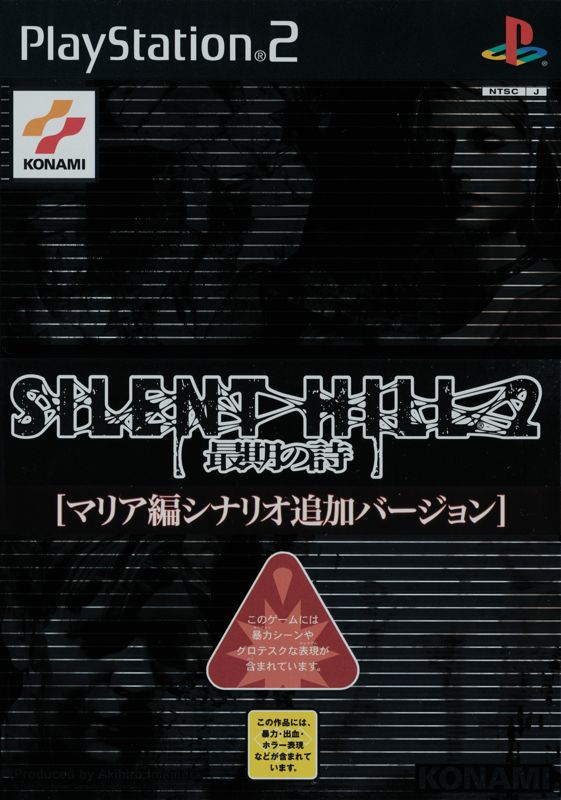
Silent Hill 2 (2000) and its expanded version,
Silent Hill 2: Director's Cut (2000), where players discover the device pinned to a mannequin, immediately triggering an iconic enemy ambush.
Simultaneously, the item became a crucial asset for rendering dark 3D environments across late-1990s and early-2000s releases. In
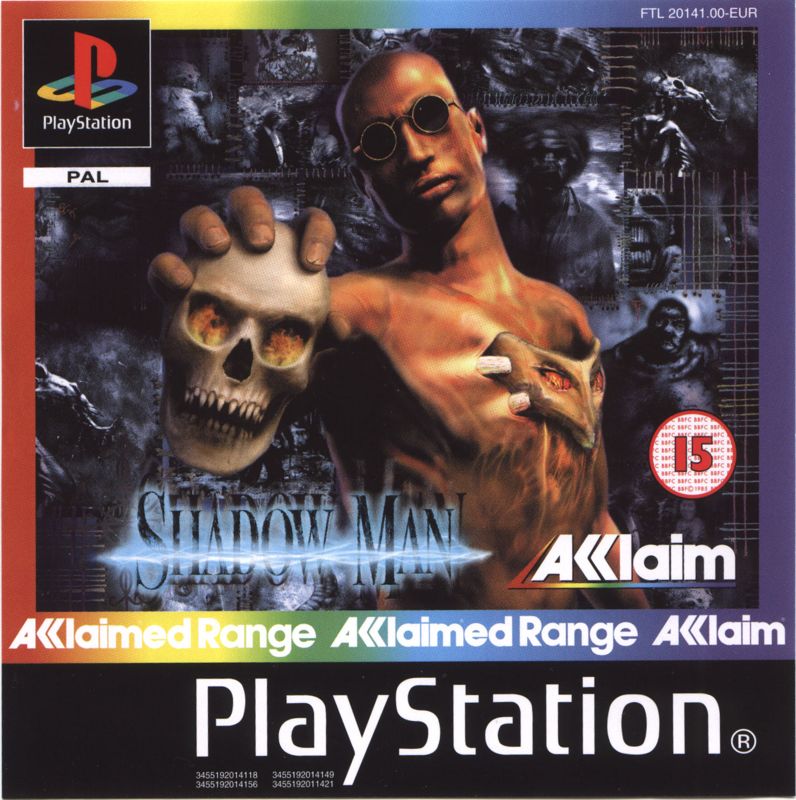
Shadow Man (1999), the flashlight assists Mike LeRoi as he navigates the transition between Liveside and Deadside. The mechanic of limited visibility was mirrored in other tense shooters of the era, such as
Alien Resurrection (2000) and
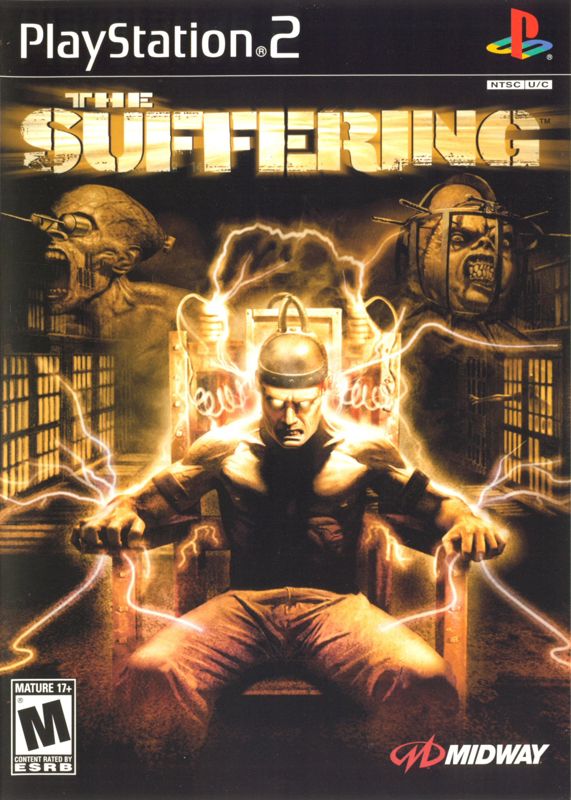
The Suffering (2000), where managing light sources is vital for survival. Even tactical action titles like the promotional versions of
Urban Chaos Riot Response (2000) integrated flashlight mechanics to heighten the realism of close-quarters search operations. Collectively, these titles established the flashlight as a foundational tool for atmospheric tension in interactive horror.










.png)



.png)