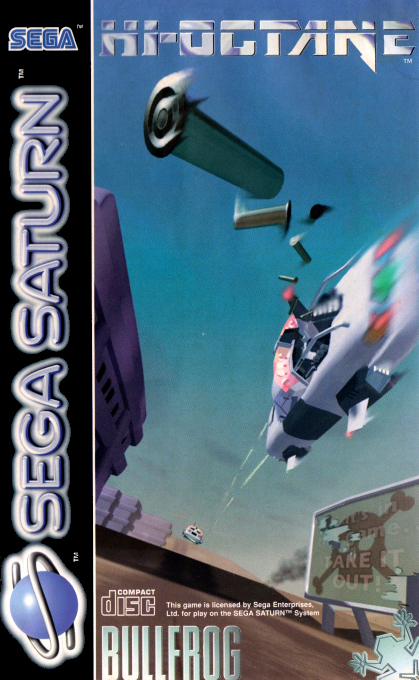
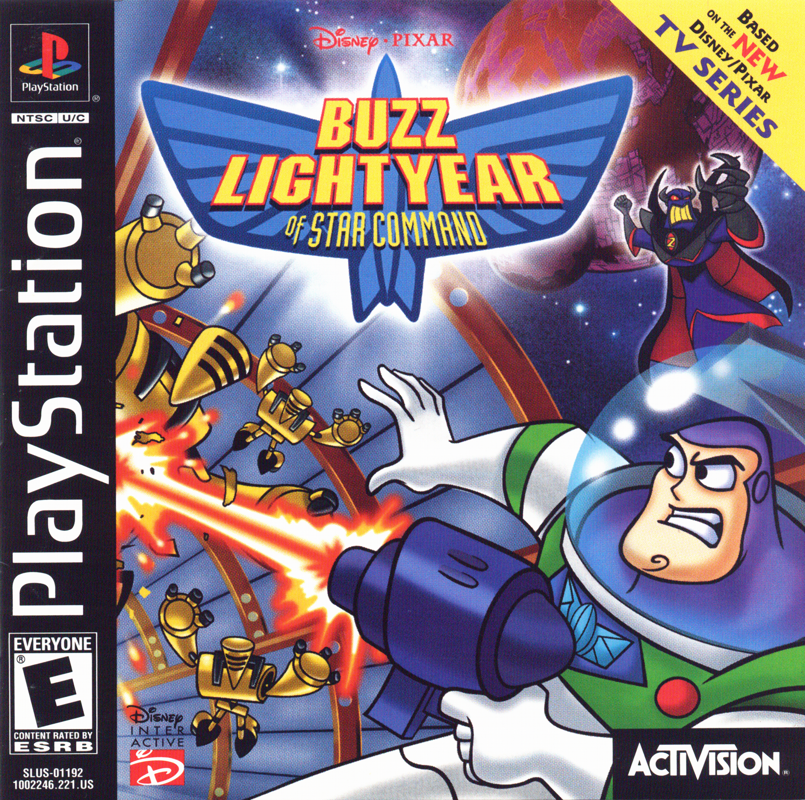
In retro video games, Fuel serves as a critical collectible resource to maintain mobility and power vehicles. In the Metal Slug franchise, specifically Metal Slug X, collecting fuel canisters replenishes the energy meter of the player's Metal Slug tank. Similarly, it prevents vehicle depletion in Hi-Octane and Agile Warrior F-111X, and powers jetpacks in Buzz Lightyear of Star Command.
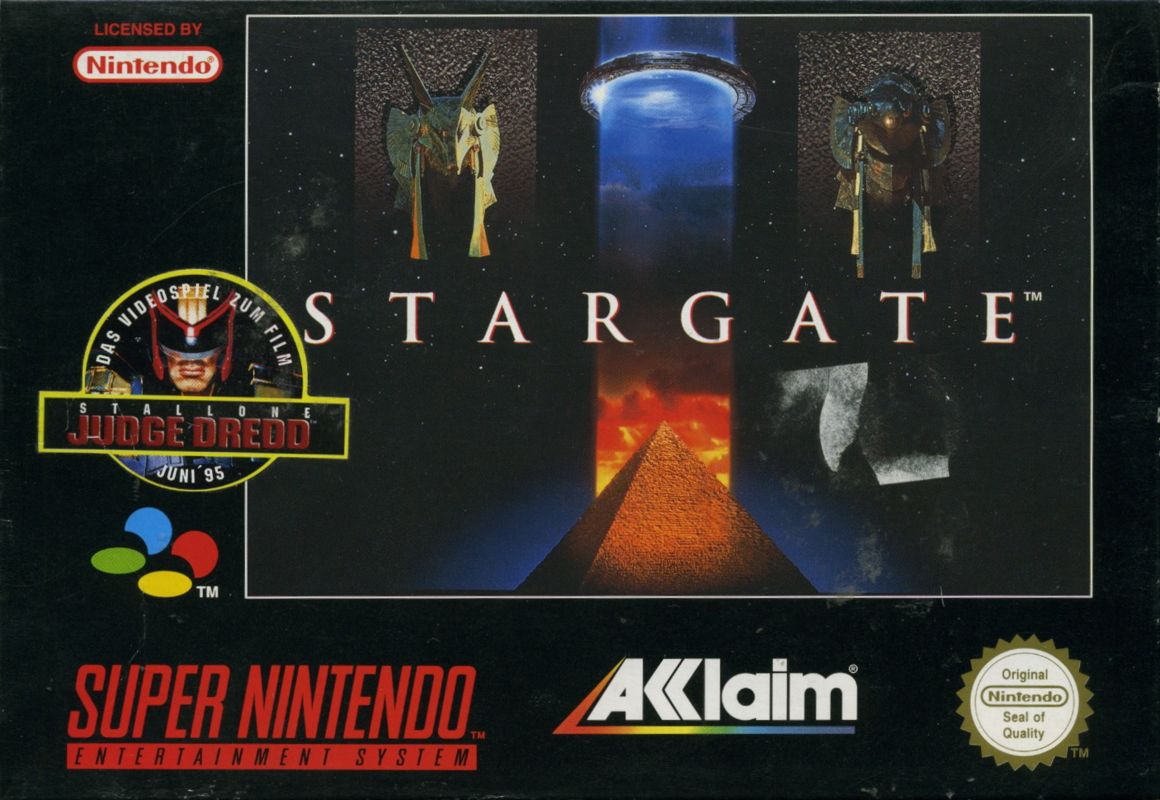
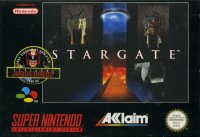
The implementation of this resource across mid-to-late 1990s releases reflects a design era focused on balancing high-speed action with strategic resource management. In the 1995 side-scrolling adaptation
Stargate, players must monitor their supply to sustain specific equipment during planetary exploration. That same year, the flight combat title
Agile Warrior F-111X integrated fuel consumption into its core flight physics, forcing players to plan optimal routes between combat zones and refueling points.
By the time Bullfrog Productions released the futuristic racer
Hi Octane in 1996, the mechanic evolved to dictate pit-stop strategies, where driving over designated recharge strips replenished the gauge. In the 2000 platformer
Buzz Lightyear of Star Command, the item transitioned into a level-exploration aid, placed in hard-to-reach areas to encourage vertical navigation. Within the
Metal Slug franchise, particularly
Metal Slug X, the iconic red jerrycan icon became a coveted drop from destructible environments and rescued prisoners of war, serving as a high-priority target during intense boss encounters to prolong vehicle survival.



.png)









.png)