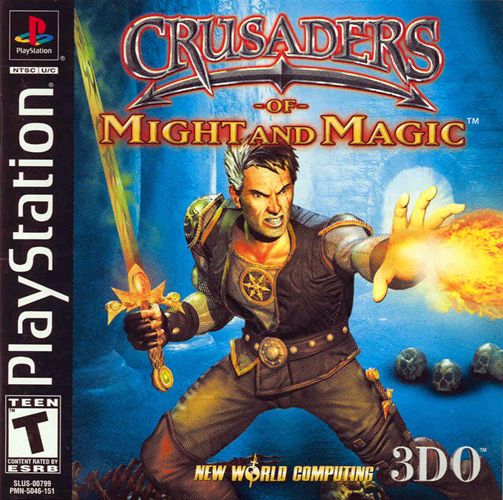
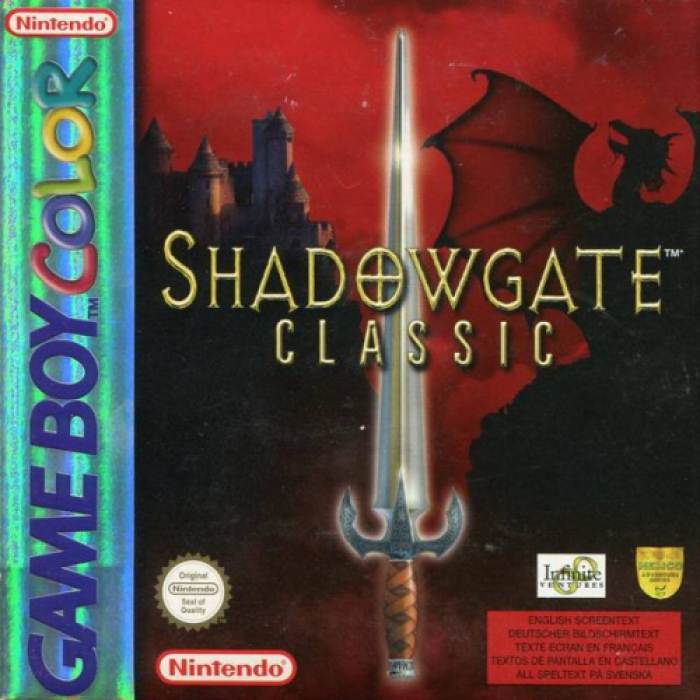
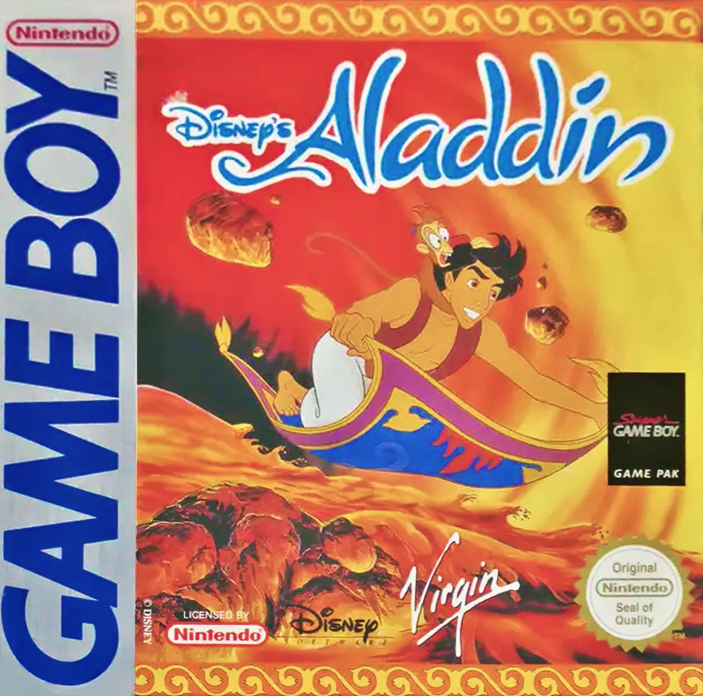
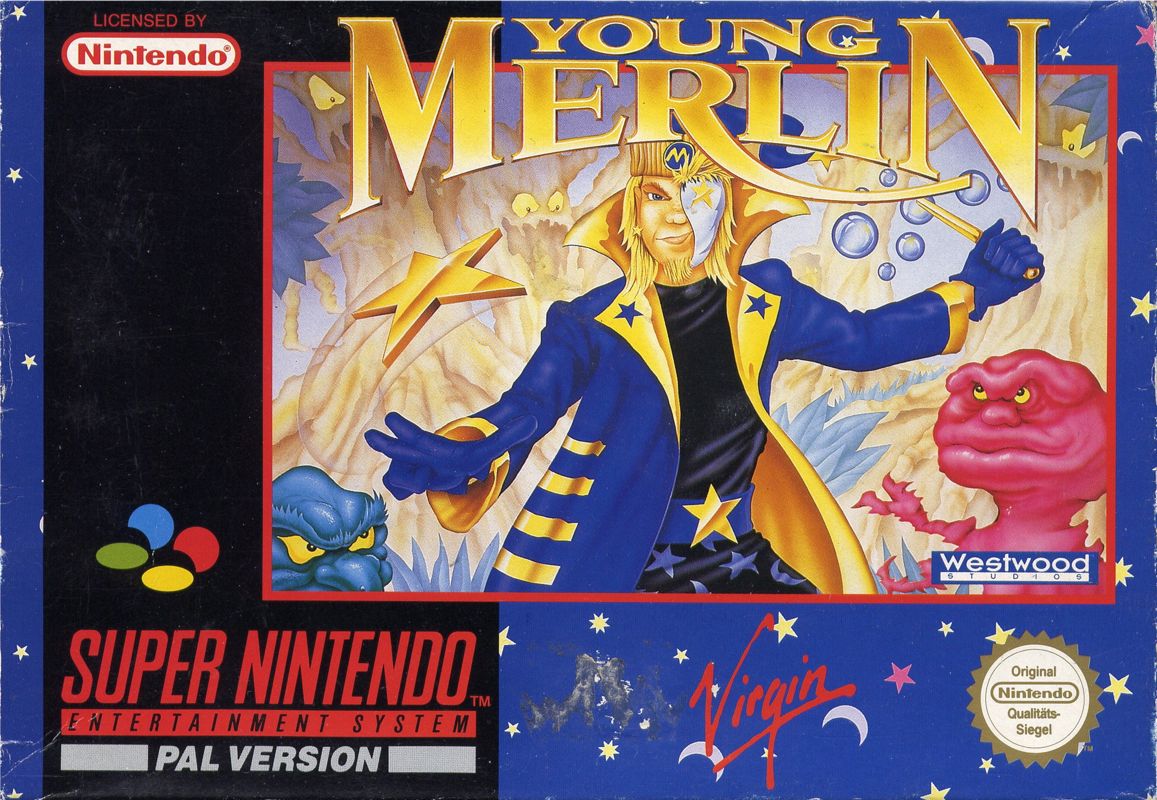
In games like Aladdin (1994) and Spyro A Hero's Tale, gems serve as a primary currency for purchasing items or unlocking areas. In adventure titles such as Young Merlin, Shadowgate Classic, and Crusaders of Might and Magic, they function as valuable treasures, puzzle components, or magical catalysts. They also appear as scoring items or power-up elements in action-oriented titles like Whizz and Looney Tunes B-Ball.
Across these diverse 1990s and early 2000s releases, gems evolved from simple sprite-based collectibles into complex 3D assets. In the Super Nintendo title
Young Merlin (1994), players must navigate minecart tracks to locate specific colored gems required to progress. The 1994 adaptations of
Aladdin utilize gems to grant access to bonus stages, rewarding players for thorough exploration of Agrabah. For sports-action gameplay,
Looney Tunes B-Ball (1995) integrates gems directly onto the basketball court, where players collect them to fund wacky character-specific power-ups.
In isometric and adventure titles, gems dictate progression pacing.
Whizz (1996) uses them to manipulate the player's score and time limits, while the Game Boy Color release
Shadowgate Classic (1999) requires players to insert specific gems into statues to unlock sealed chambers. The
Crash Twinsanity & Spyro A Hero's Tale [2 Playable Demos] (2000) disc showcased the transition of these items into high-definition 3D platforming staples. Finally, action-adventure titles like
Crusaders of Might and Magic (2000) and the combat-heavy
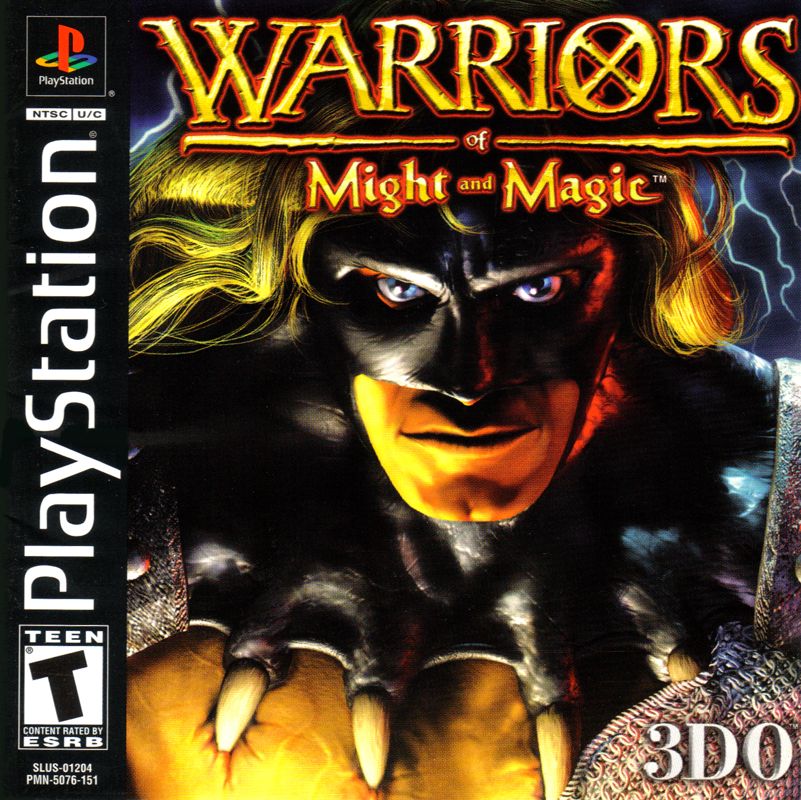
Dragon Rage (2000) utilize gems as physical manifestations of elemental mana and upgrade materials, cementing their role as essential gameplay drivers across multiple console generations.


.png)
.png)
.png)









.png)
