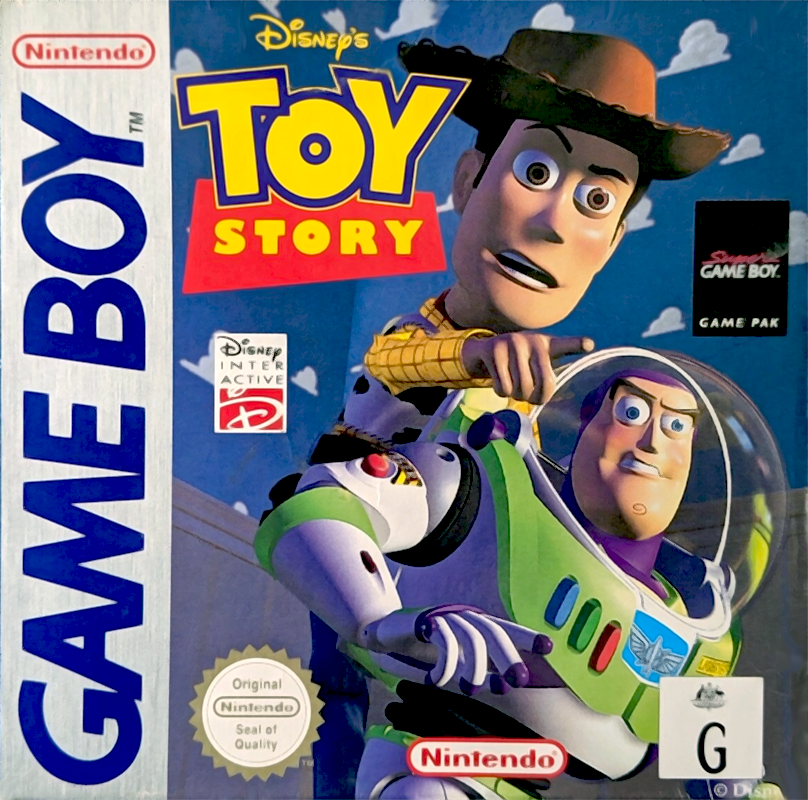
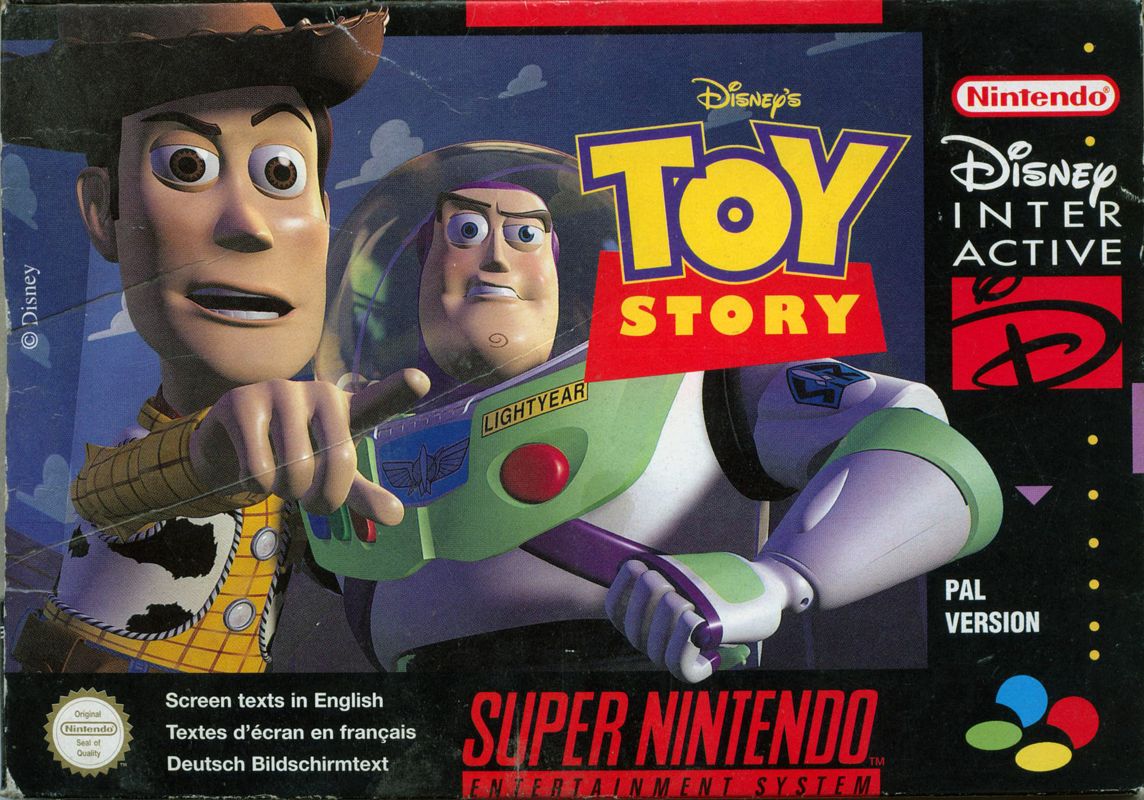
In the 1995 and 1996 Toy Story video game adaptations, Gold Stars are scattered throughout the levels as collectible items that restore Woody's health and grant extra lives upon collecting a certain amount. Similarly, they appear as collectible items in the 1995 platformer Izzy's Quest for the Olympic Rings. These items serve as a staple mechanic for health regeneration and score progression in these retro platformers.
The implementation of these items coincided with the mid-1990s transition toward pre-rendered 3D graphics in 16-bit console gaming. In the
Toy Story adaptations developed by Traveller's Tales, the visual design of the stars mirrored the polished, CGI aesthetic of the groundbreaking Pixar film. This design was maintained across the Super Nintendo Entertainment System, Sega Genesis, and PC releases, establishing a consistent visual reward system. Players navigate complex level layouts, such as the claw machine interior or Sid's room, where strategic placement of the stars encourages the use of Woody's pull-string mechanic to reach high platforms.
For
Izzy's Quest for the Olympic Rings, developed by Alexandria Co. and published by U.S. Gold, the inclusion of the stars complemented the athletic theme of the 1996 Atlanta Summer Olympics mascot. Scattered across diverse environments like the Olympic Village and ancient Greece, they guided players along optimal paths. Both properties utilized these shining celestial motifs to leverage the hardware capabilities of the Sega Genesis and SNES, creating highly visible markers against detailed, multi-layered parallax backgrounds.

.png)



.png)

.png)
.png)