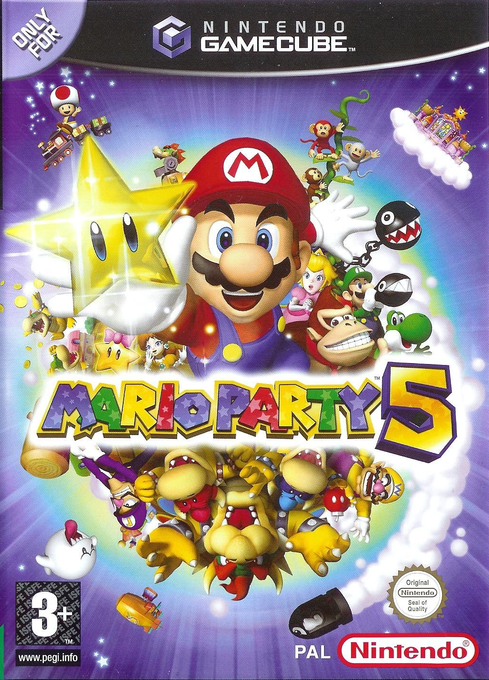
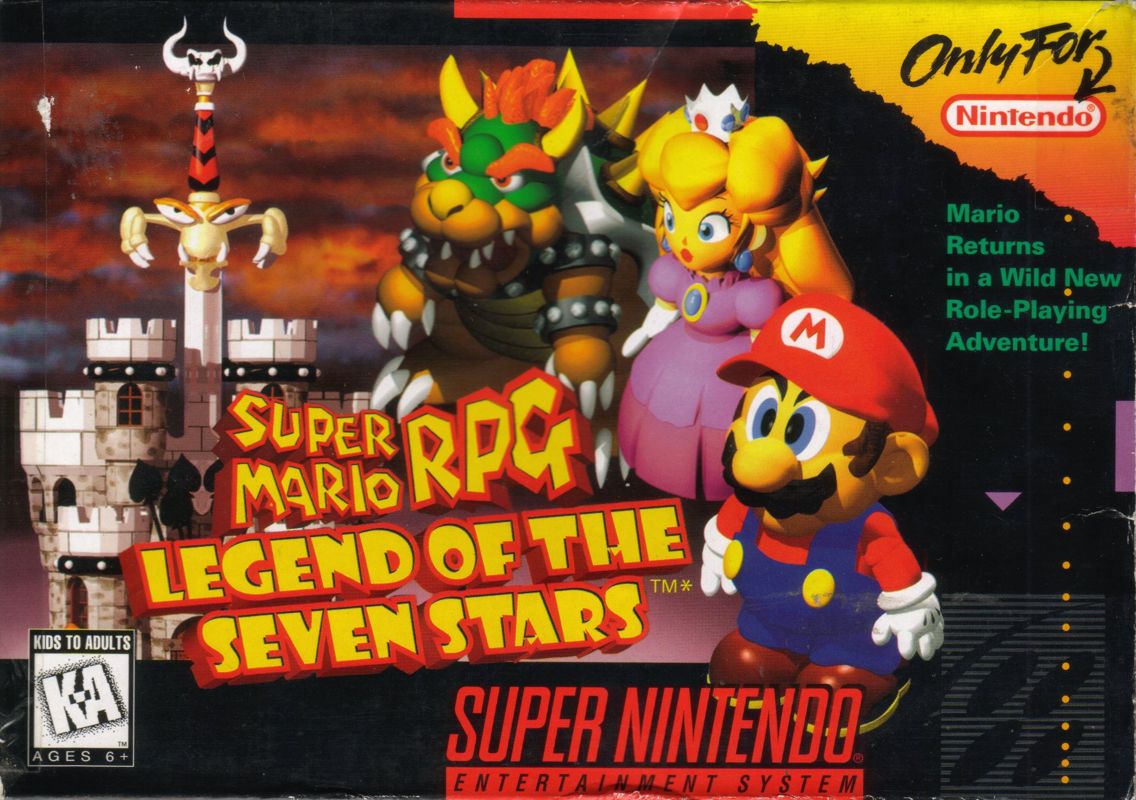
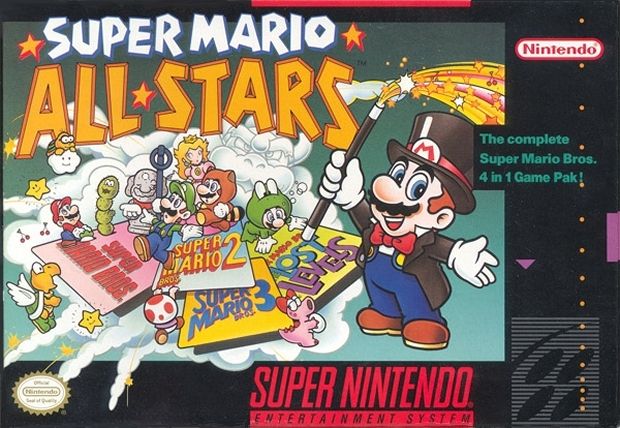
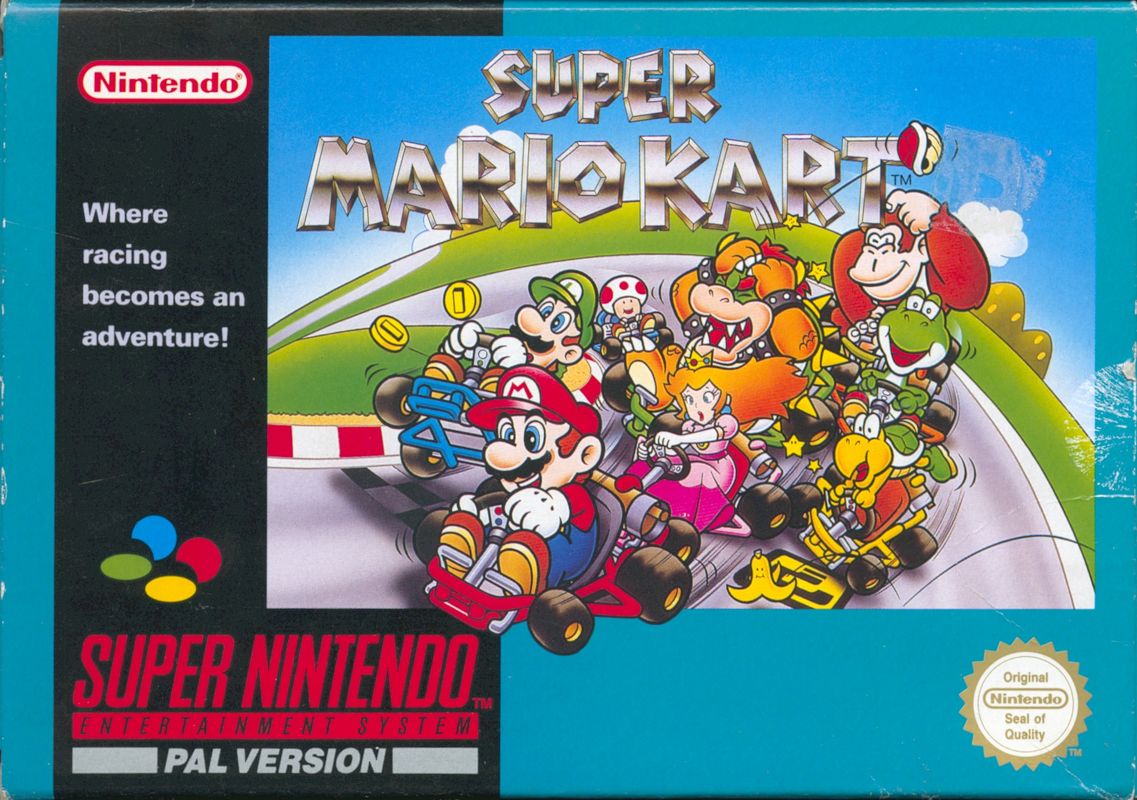
In Super Mario All-Stars, the Mushroom allows characters to grow in size and survive damage. It serves as a speed boost in Super Mario Kart, a health-restoring item in Super Mario RPG, and a movement-enhancing capsule in Mario Party 5. In the prehistoric platformer Chuck Rock, mushrooms appear as collectible items that restore the player's health.
Originating as a foundational visual motif in early Nintendo design, the spotted fungus transitioned from a simple pixelated sprite into a highly recognizable mascot of the broader
Mario and
Chuck Rock intellectual properties. During the early 1990s, developers utilized the item to bridge different genres. In
Chuck Rock (1992), the item aligned with the game's prehistoric, nature-themed aesthetic, serving as a staple of Core Design's side-scrolling level layouts.
The release of
Super Mario Kart (1992) and
Super Mario All-Stars (1993) marked a technological evolution, rendering the item in 16-bit detail and establishing its classic red-and-white aesthetic. This design legacy carried into 3D and role-playing formats. In
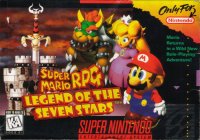
Super Mario RPG (1996), developed in collaboration with Square, the item was integrated into a turn-based inventory system, purchasable at various in-game shops and stored for tactical use during battle. By the release of
Mario Party 5 (2003) on the Nintendo GameCube, the item was adapted into the franchise's capsule mechanic, allowing players to employ it strategically on the game board. This evolution across platformers, racers, RPGs, and party games cemented the item's status as a versatile gameplay staple.
.png)



.png)