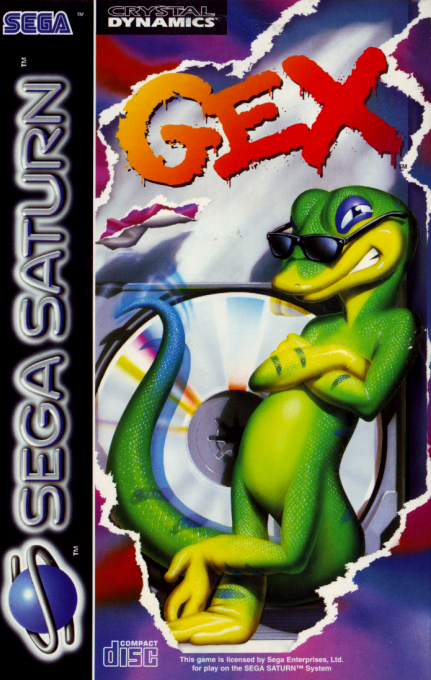
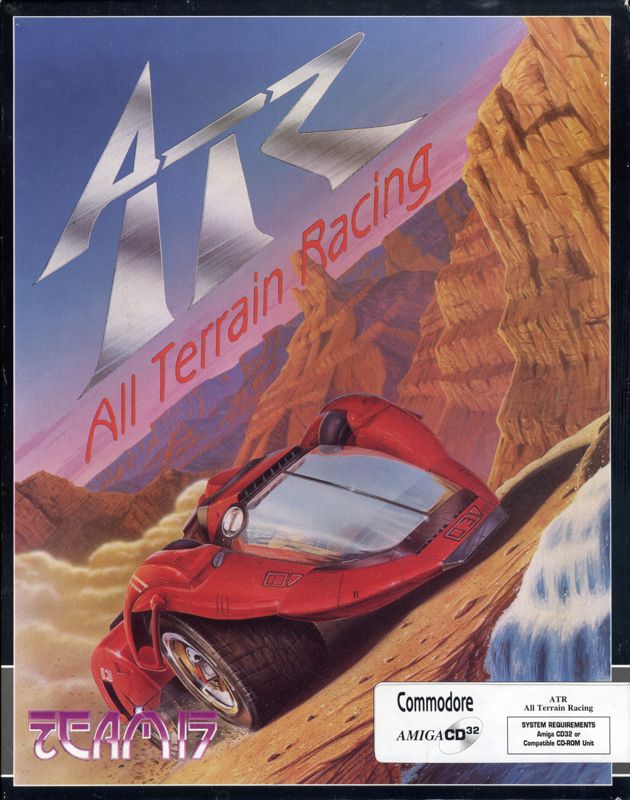
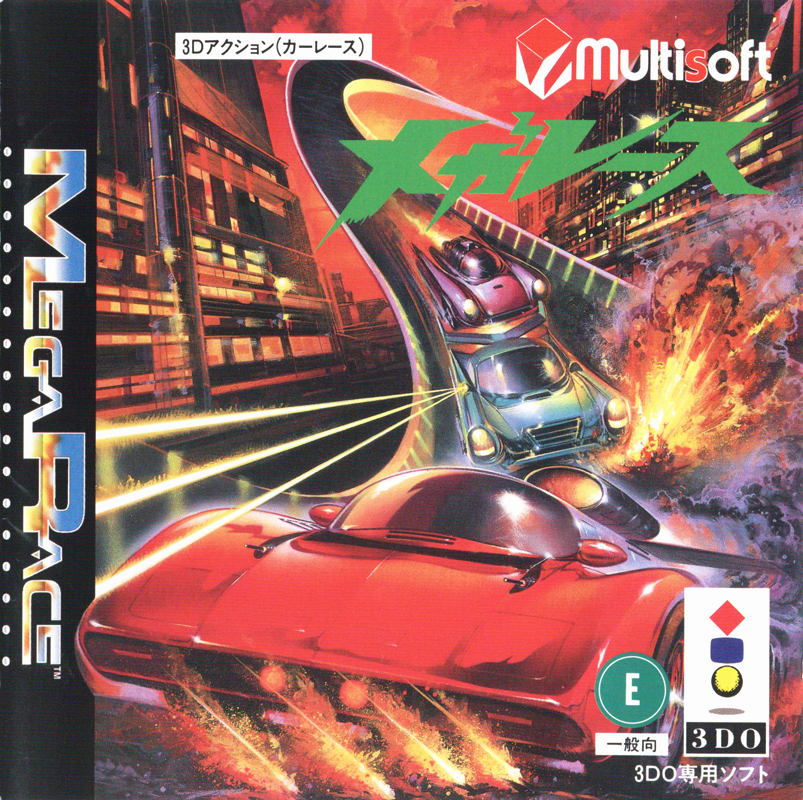
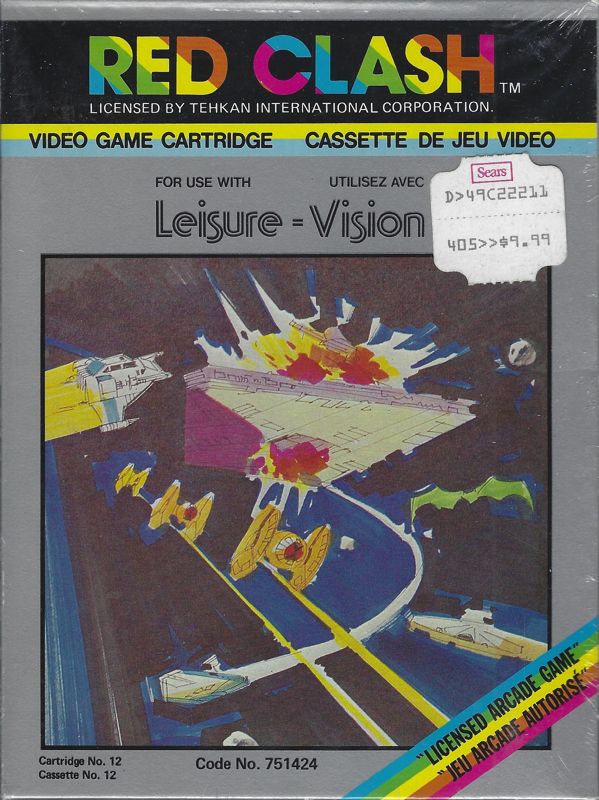
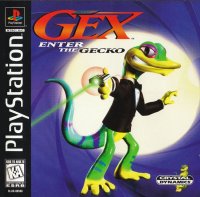
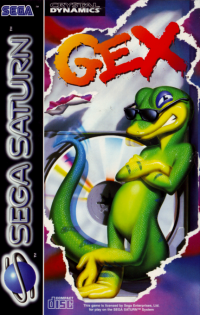
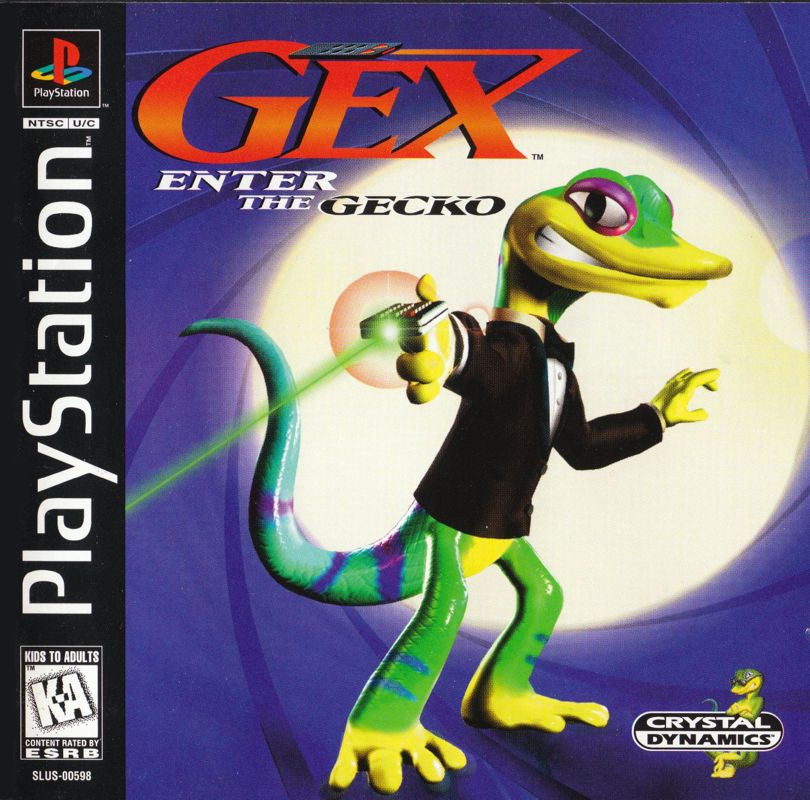
In early titles like Red Clash (1982) and Escape (1982), power-ups provided crucial offensive or defensive boosts to survive waves of enemies. In 1990s releases such as MegaRace (1994) and ATR: All Terrain Racing (1995), these items offered speed boosts and weaponry to gain an advantage during races. Platformers like Gex (1995) utilized them to grant the protagonist unique elemental abilities and health restoration.
Early implementations within the Red Clash franchise and contemporaries like
Capture (1982) established foundational collection loops, requiring players to navigate hazardous screens to acquire temporary mechanical advantages. As hardware capabilities progressed into the 1990s, the distribution of these items expanded through specialized software releases. In
Overkill [OEM Version] (1993), power-up systems were optimized to showcase graphics card performance, utilizing rapid firepower scaling to alter the pacing of vertical shoot-'em-ups. Similarly, promotional bundles like
Sleepwalker & Pinball Fantasies [Not For Resale] (1993) utilized score-multiplying and physics-altering collectibles to enhance replayability in arcade-style simulations.
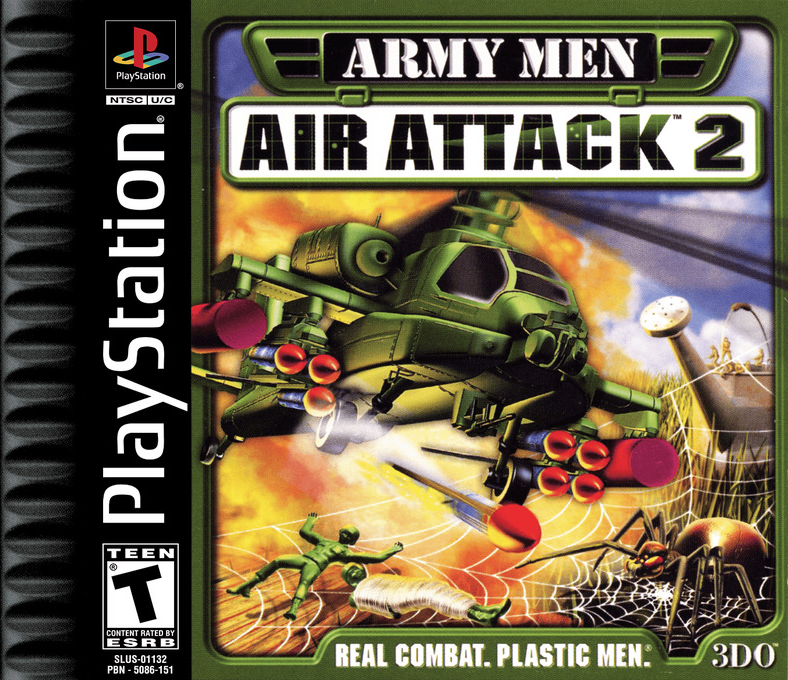
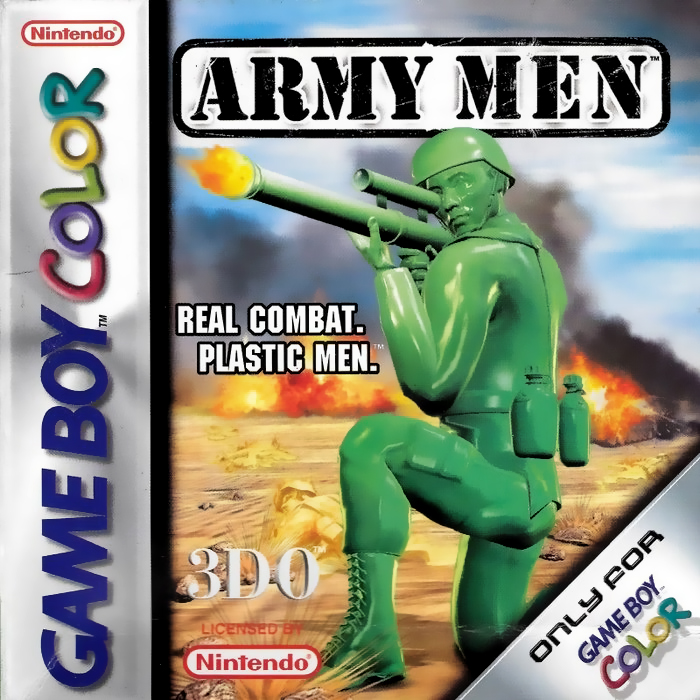
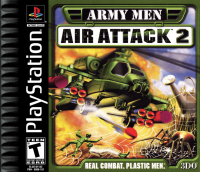
Within the MegaRace and Army Men franchises, power-ups transitioned into strategic, environment-altering tools. These items became central to level design, dictating player routing and resource management. By integrating these collectible enhancements directly into the narrative themes of each game—whether as plastic-molded military gear in Army Men or high-tech energy cells in futuristic settings—developers transformed basic gameplay modifiers into defining elements of these franchises' mechanical legacy.
.png)
.png)
.png)
.png)
 (En,Fr,De,Es,It).png)

.png)





.png)


.png)
.png)
.png)
 (En,Fr,De,Es,It).png)




.png)

.png)

.png)