In shoot-'em-ups and action titles like Darius Twin, Total Eclipse Turbo, and Blast Radius, Shields act as energy barriers or power-ups that absorb incoming enemy fire. In the puzzle-platformer Lost Vikings 2 (also released as Norse by Norsewest), physical shields are used by characters to block projectiles and glide through the air. Across these diverse titles, the item serves as a critical survival tool to mitigate damage.
The evolution of this defensive mechanic within the
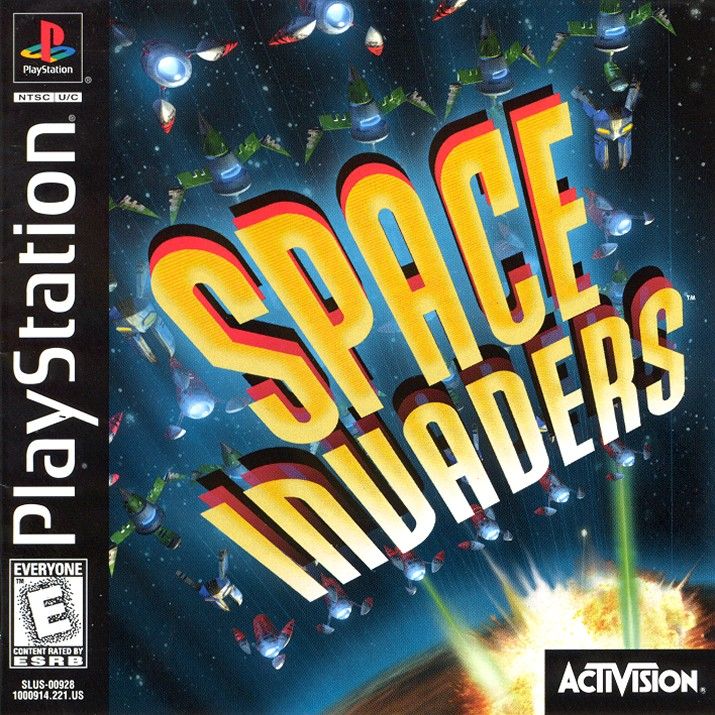
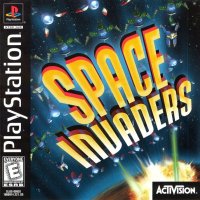
Space Invaders and
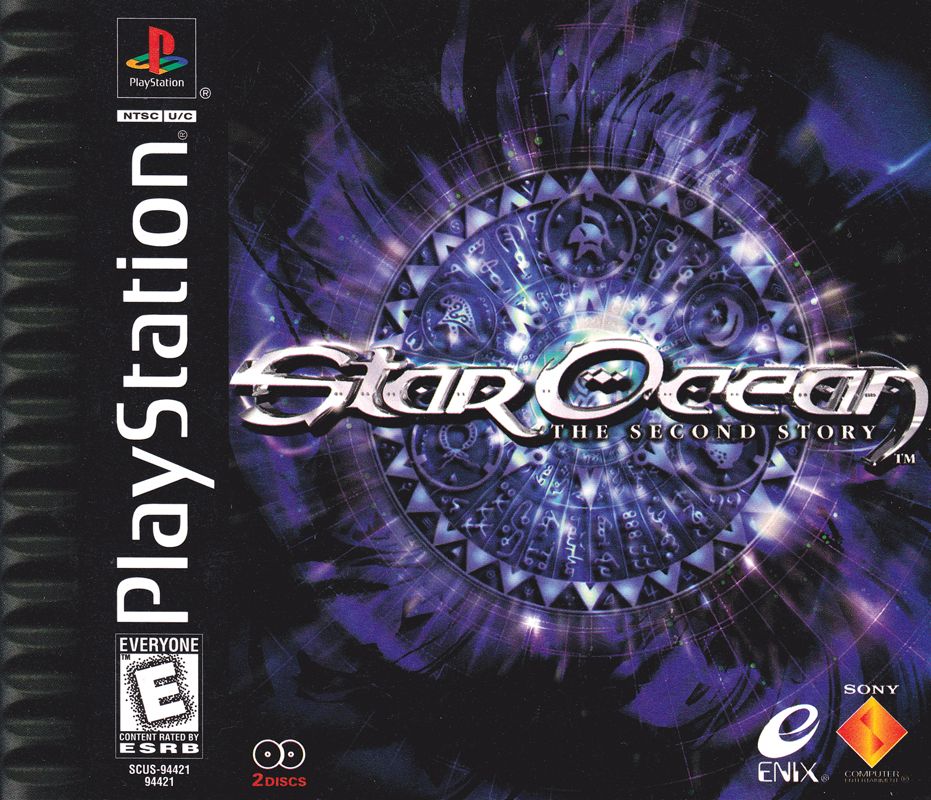
Star Ocean franchises highlights a transition from static barriers to dynamic, upgradable systems. Early implementation in
Star Chess (1982) established basic defensive positioning, which matured significantly by the release of
Darius Twin (1991). In this era, shields transitioned into color-coded, multi-tiered systems where collecting specific icons upgraded the barrier's durability through distinct color phases.
As the franchises adopted 3D graphics, titles like
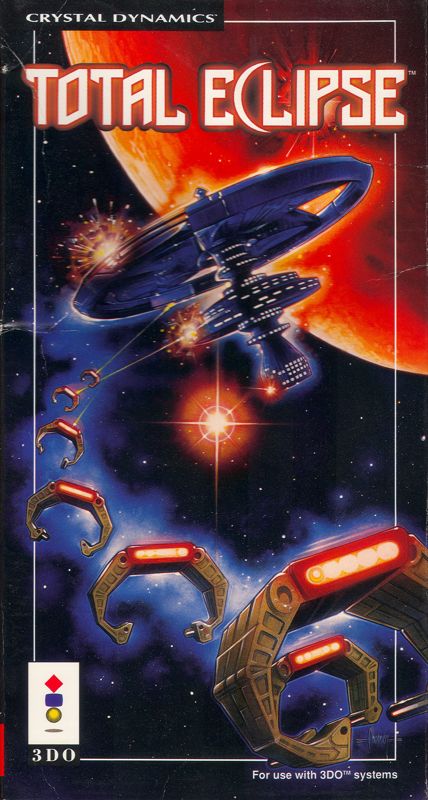
Total Eclipse Turbo (1995) and
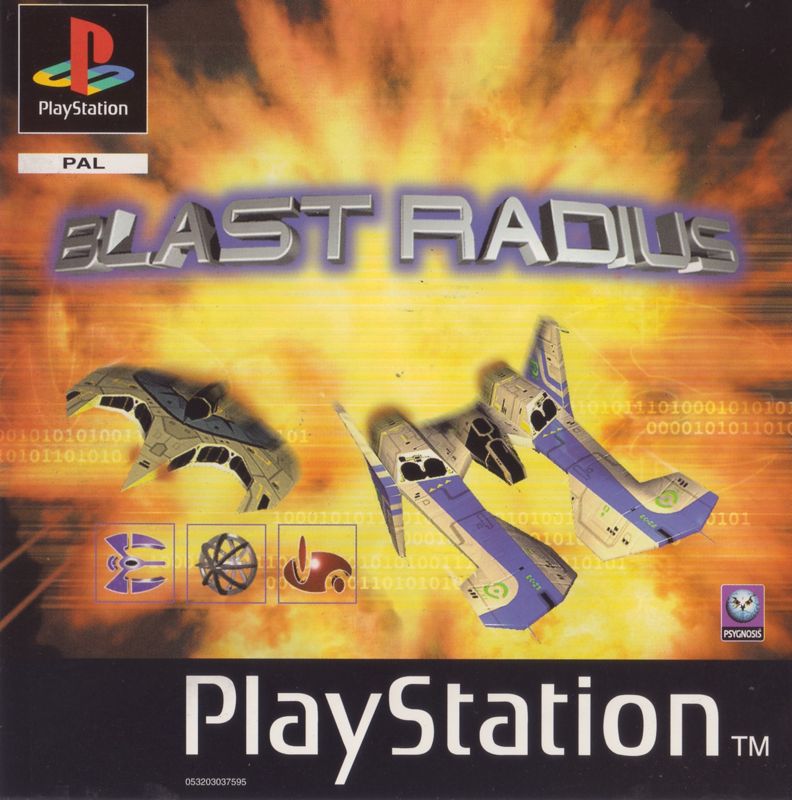
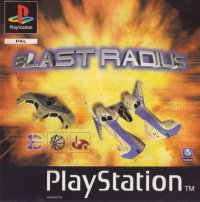
Blast Radius (1999) tied shield integrity directly to cockpit HUDs, requiring strategic energy management. This tactical element was mirrored in the rapid-fire gameplay of
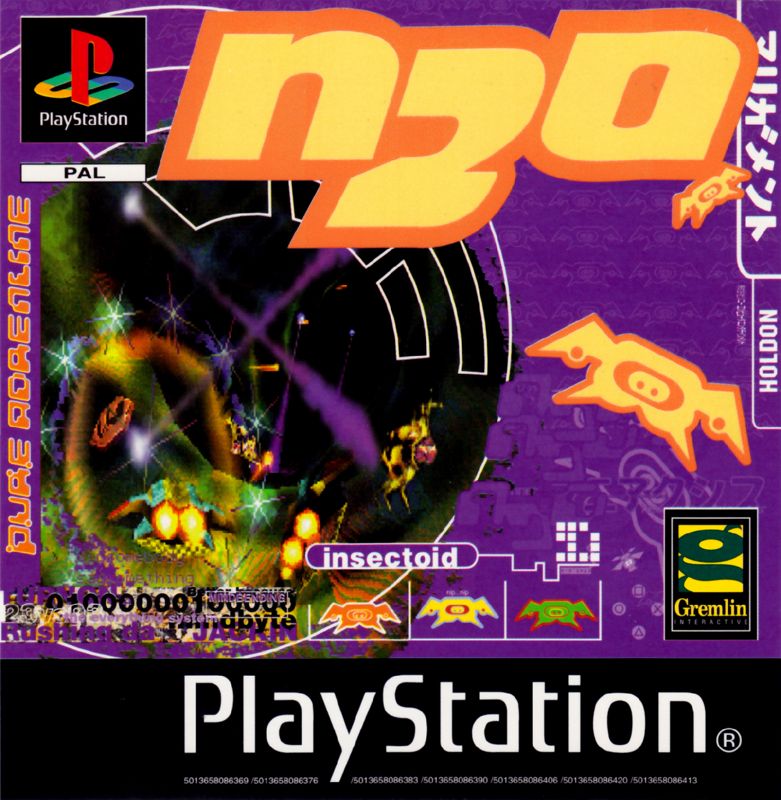
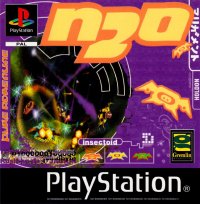
N2O: Nitrous Oxide (1998) and the vehicle combat of
Uprising-X (1998), where temporary invincibility frames dictated the flow of encounters. Conversely,
Lost Vikings 2 (1997) and its updated release
Norse by Norsewest: The Return of the Lost Vikings (1997) shifted the item into a physics-based tool, utilizing the shield's physical surface area to solve environmental puzzles and redirect hazards. This legacy of versatile defense remains a cornerstone of the series' design philosophy.
.png)
.png)
 (En,Fr,De).png)
.png)
.png)
.png)





.png)




.png)
.png)
 (En,Fr,De).png)
.png)

.png)
