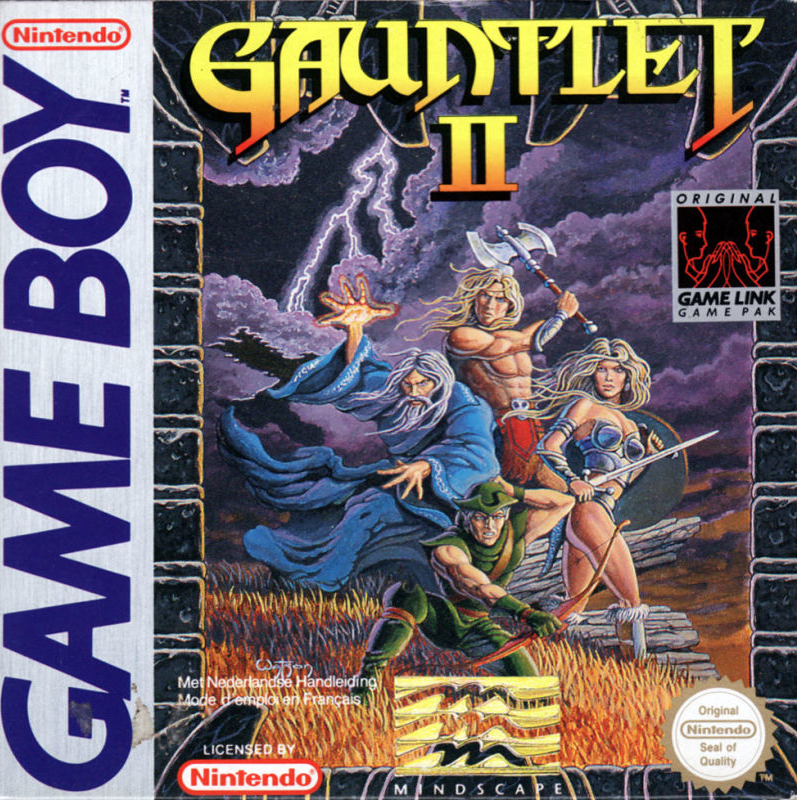
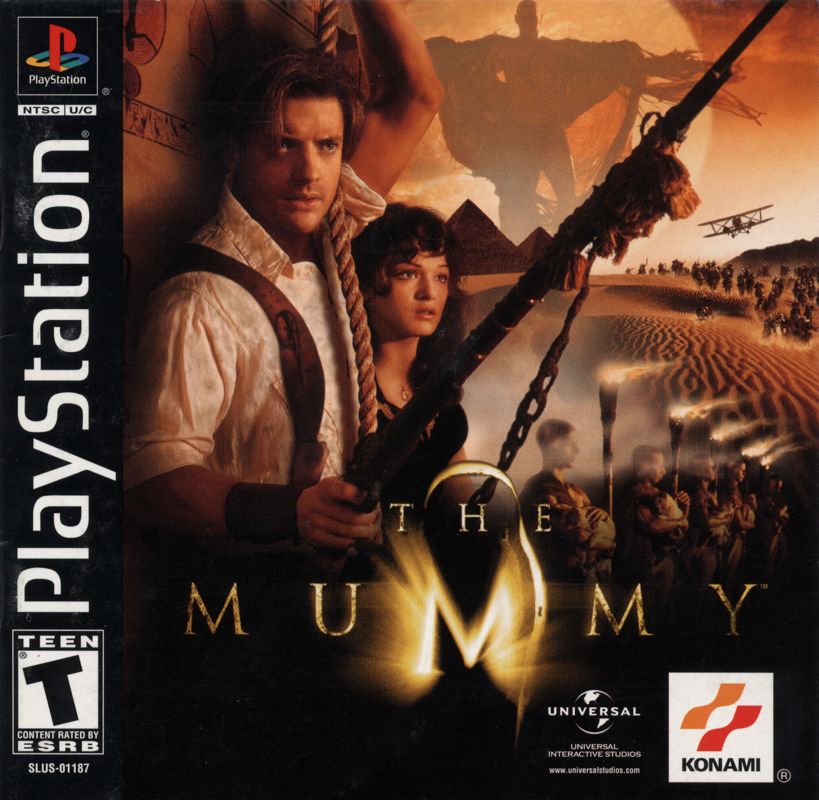
In Wolfenstein 3D, treasure items such as chalices, chests, and crowns are scattered throughout levels to award points and extra lives. In Gauntlet II, treasure chests provide points or contain essential items, while in Aquatak and The Mummy, collecting treasure is key to progression and high scores. These items serve as a core mechanic for rewarding exploration across these diverse franchises.
In
Aquatak, an early ZX Spectrum release, the aquatic setting establishes treasure retrieval as a hazardous underwater rescue mission. By the time of
Gauntlet II, the mechanic evolved to interact with other inventory systems, where players must manage keys to unlock specific containers or risk facing traps.
The implementation in
Wolfenstein 3D introduced a completionist metric, displaying a percentage of collected valuables on the post-level tally screen. This statistical tracking encouraged thorough map navigation and became a staple of the early first-person shooter genre. In the 3D action-adventure title
The Mummy, treasure items are themed around Egyptian archaeology, often concealed within destructible pottery or sealed sarcophagi. Across these titles, the visual representation of these valuables transitioned from simple two-dimensional pixel art to fully realized three-dimensional assets, mirroring the broader technological advancement of game design from the early 1980s to the turn of the millennium.









.png)




.png)