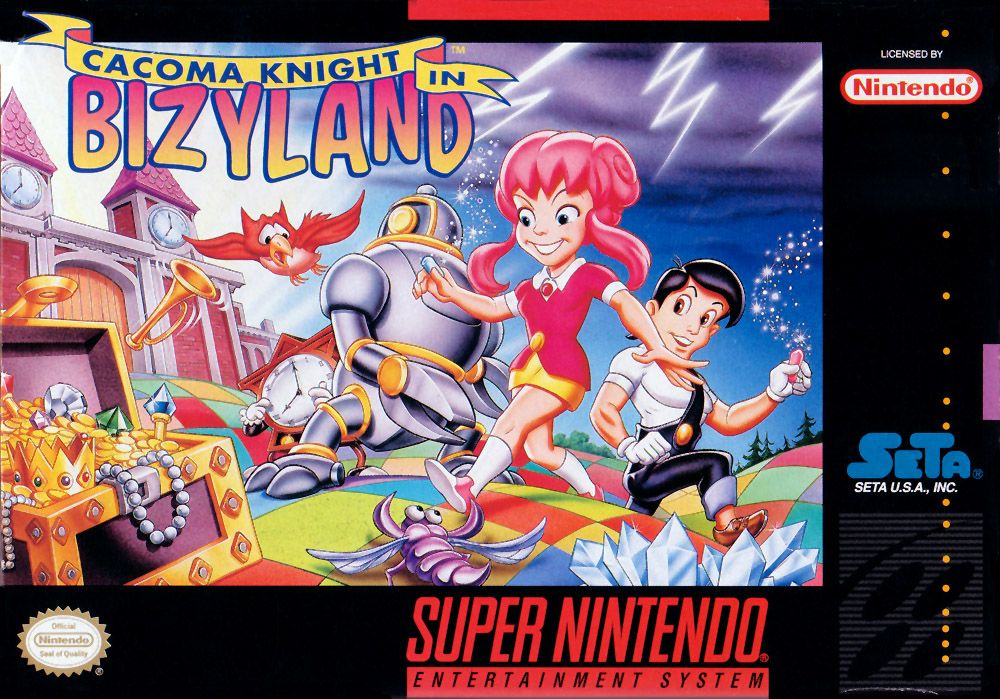
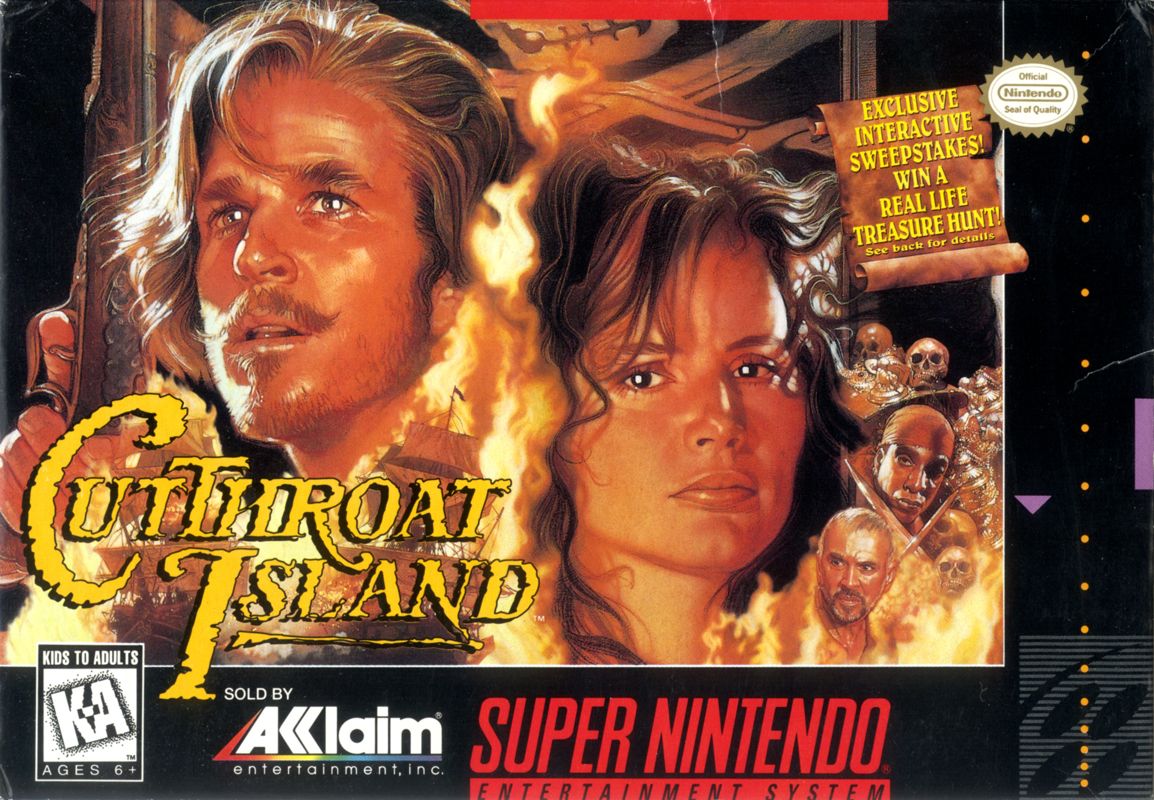
In Donkey Kong Country 2: Diddy's Kong Quest, treasure chests function as throwable objects that break upon hitting enemies to reveal hidden items such as Kremkoins. In other titles like Cacoma Knight in Bizyland and Cutthroat Island, they serve as traditional loot containers holding essential power-ups or treasure. Across these diverse titles, they act as key interactive elements for progression and reward.
The development of treasure chests across these specific releases highlights a transition from static environmental rewards to dynamic gameplay tools. Within the
Donkey Kong franchise, particularly
Donkey Kong Country 2 (1995) and
Donkey Kong Country 2 [Not for Resale] (1995), the item departed from traditional role-playing tropes by functioning as a physics-based projectile. This design forced players to carry the chests through hazards, balancing the risk of losing the container against the potential reward inside.
In
Cacoma Knight in Bizyland (1993), chests materialize dynamically as players clear sections of the screen, linking spatial control directly to item acquisition. For licensed properties like
Cutthroat Island (1996) and
One Piece Grand Adventure (2000), the chests reinforce the seafaring and pirate aesthetics central to their respective narratives, serving as thematic focal points during combat. Meanwhile, promotional releases such as
Drakan: The Ancients Gates [Promo Not For Resale] (2002) demonstrated the item's utility in early-game demos, where chests were strategically placed to showcase the inventory and loot systems to prospective players. This diverse implementation across platforms cemented the treasure chest as a versatile design asset.





.png)


.png)

.png)
.png)
.png)
.png)