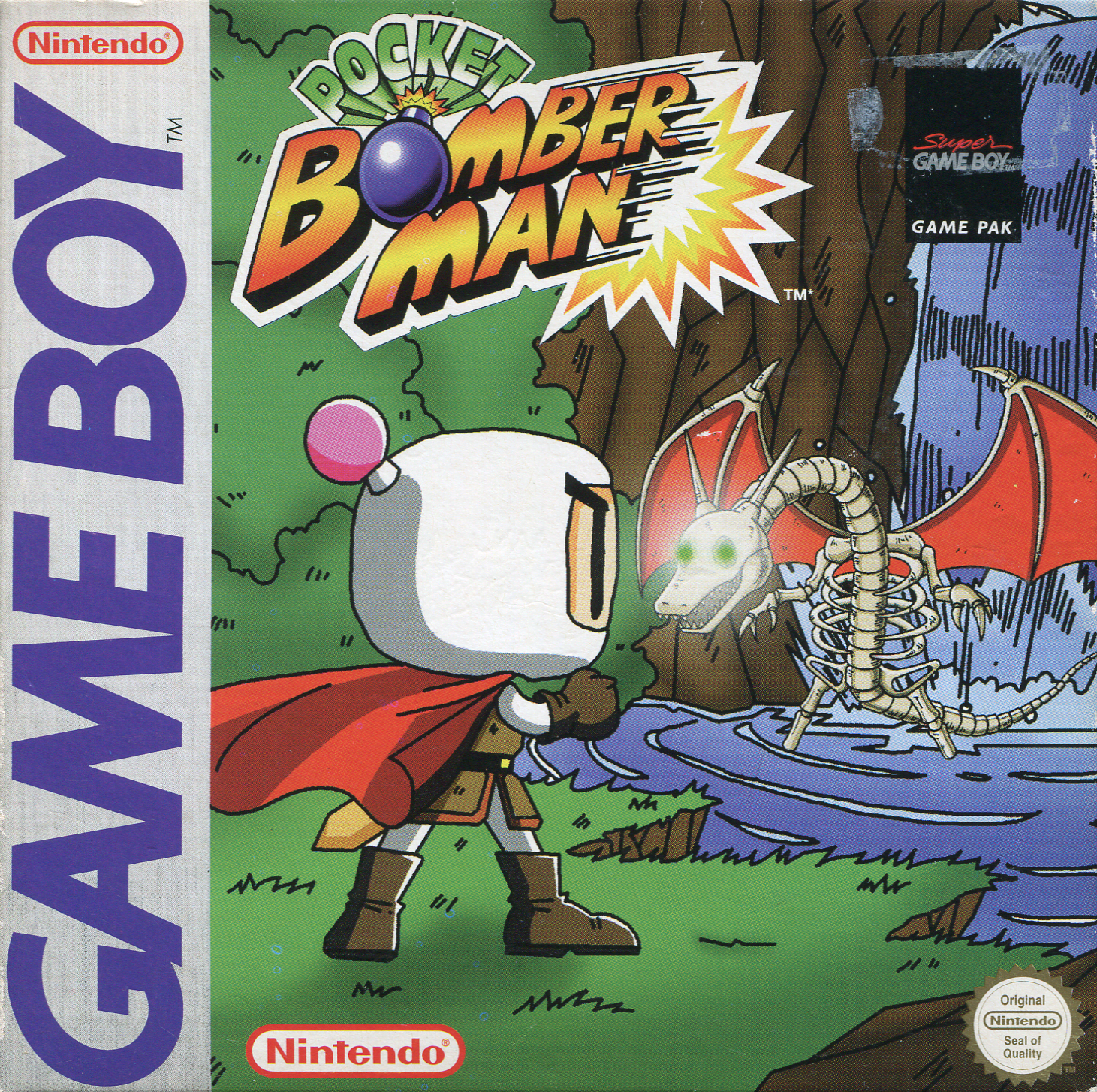
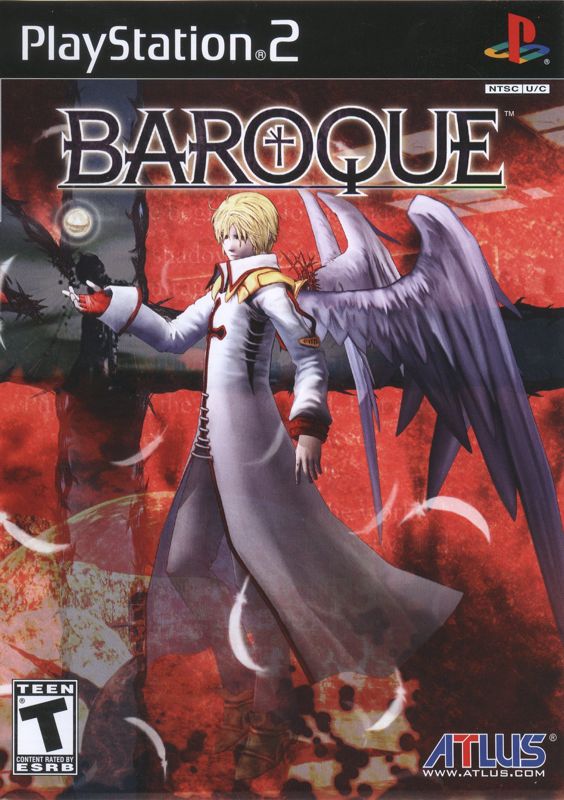
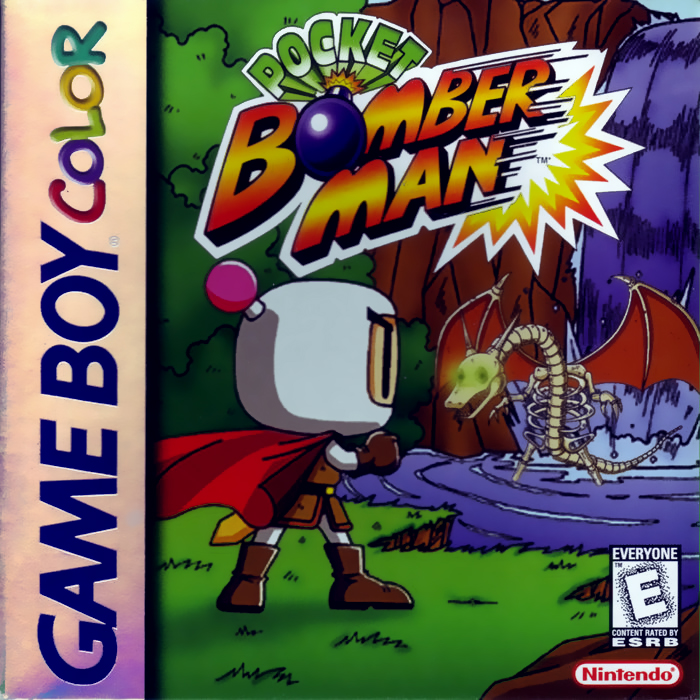
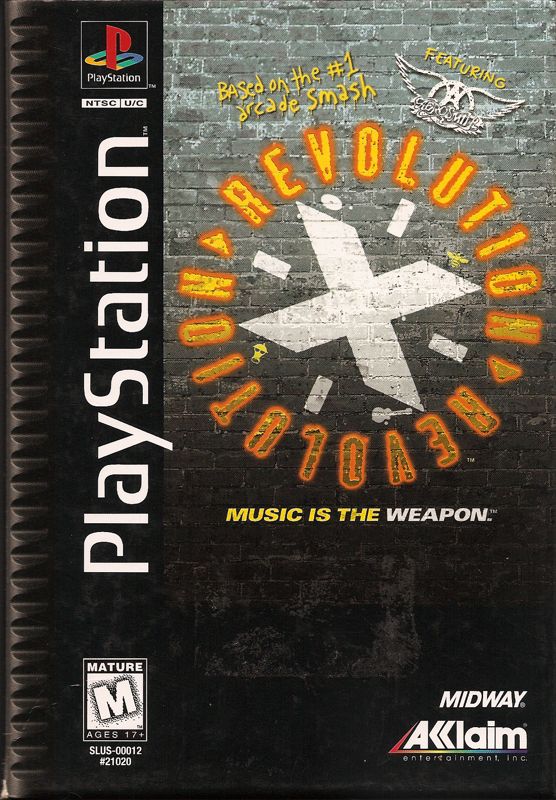
In the arcade game Asterix (1993), wings appear as collectible items, while in the rail-shooter Revolution X, players collect Aerosmith's signature wings for points and power-ups. The item grants flight capabilities to the protagonist in the platformer Oscar (1996) and allows Bomberman to jump over obstacles in Pocket Bomberman. In the dark fantasy RPG Baroque (2008), wings serve as specialized utility items with various status effects.
In Konami's arcade adaptation of
Asterix, these items frequently appear alongside food rewards, serving as a primary mechanic for score accumulation during cooperative play. For the Midway-developed
Revolution X, which saw releases across Sega Genesis and Super Nintendo in 1995 and PlayStation in 1996, the iconic band logo items are hidden within destructible environments. Finding these specific collectibles is tied directly to the game's progression system and determines the final narrative outcome.
In the platformer
Oscar, the item alters level exploration by bypassing traditional jump physics, enabling players to locate hidden film reels. The implementation in
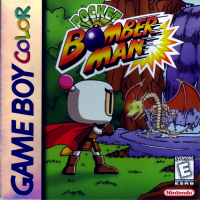
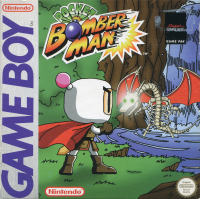
Pocket Bomber Man (released for the Game Boy in 1998 and updated for the Game Boy Color in 1999) shifts the traditional top-down grid movement of the franchise into a gravity-defying mechanic suited for its unique side-scrolling stages. Within the oppressive atmosphere of
Baroque, the item operates under the roguelike ruleset of the Neuro Tower. Players must carefully manage these resources, deciding whether to utilize their status-altering properties immediately or save them for synthesis to survive deeper, more hazardous floors.
 (En,Fr).png)
.png)
 (En,Fr,De,Es,It).png)



.png)



.png)
 (En,Fr).png)



 (En,Fr,De,Es,It).png)
.png)