Mini-games are secondary activities integrated into a primary game's structure, often serving to break up core gameplay loops, provide rewards, or advance the narrative. Originating as simple arcade-style distractions or quick-time events in early adventure games, they evolved into highly sophisticated, fully realized sub-games in modern open-world and RPG titles. In some cases, these mini-games are multiplayer-focused, serving as competitive or cooperative interludes within a larger campaign.
Early integration of this mechanic appeared in the 1987 adventure game
Sanma no Mei Tantei, which interspersed text-heavy investigation with action sequences. Cinemaware's
It Came From the Desert (1989) similarly used action-oriented sequences to determine narrative outcomes. By the mid-1990s, FMV titles like
Snow Job (1995) regularly employed logic puzzles and arcade-style challenges as progression barriers.
During the 2000s, open-world titles began utilizing mini-games for world-building and character development.
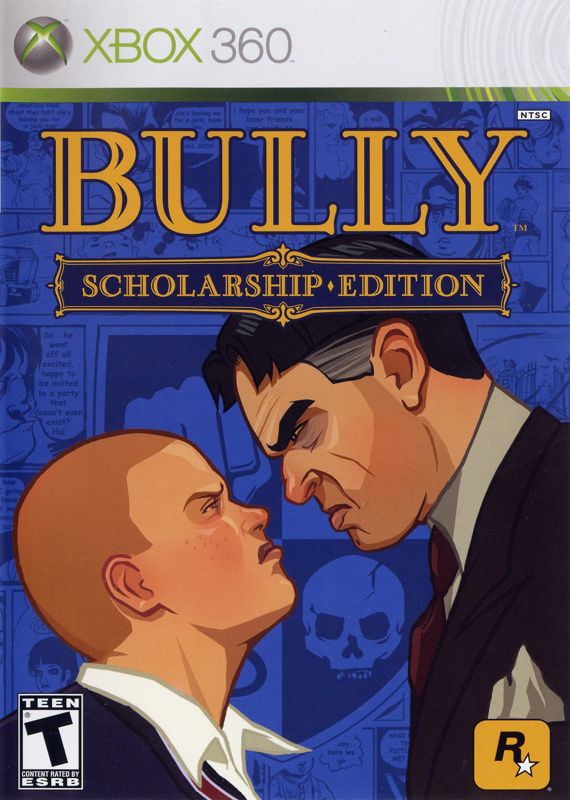
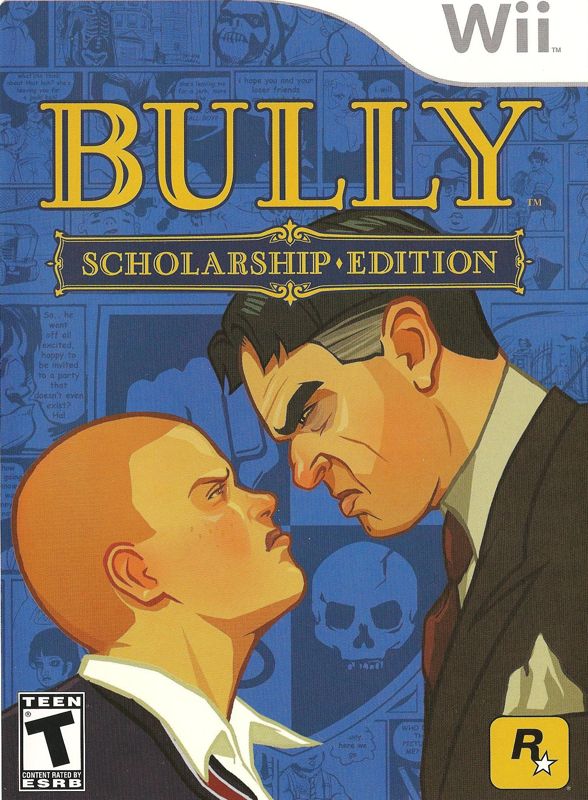
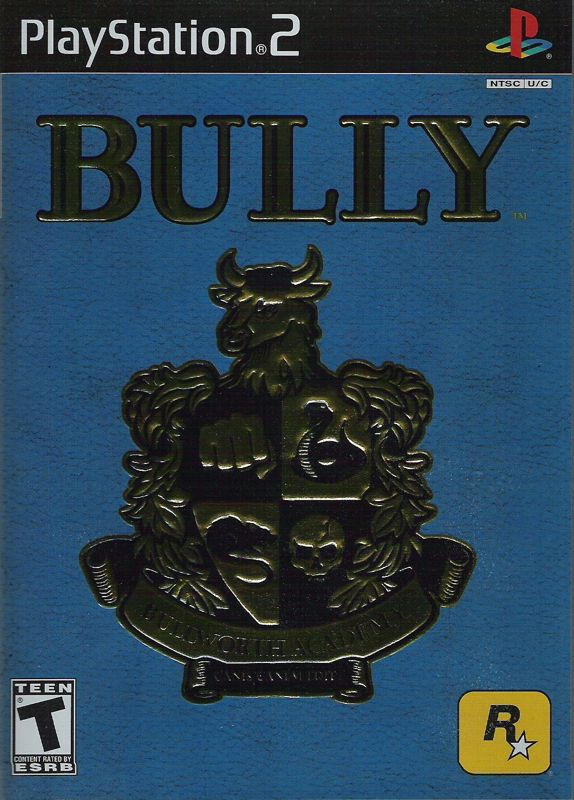
Bully (2006) simulated school classes through diverse puzzle and rhythm challenges. The mechanic reached new heights of complexity in the
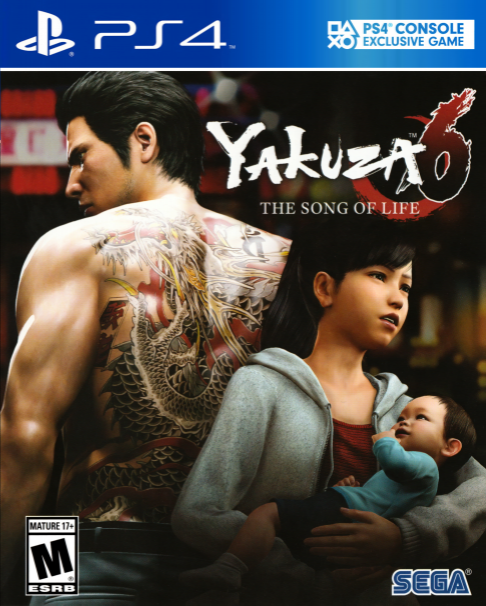
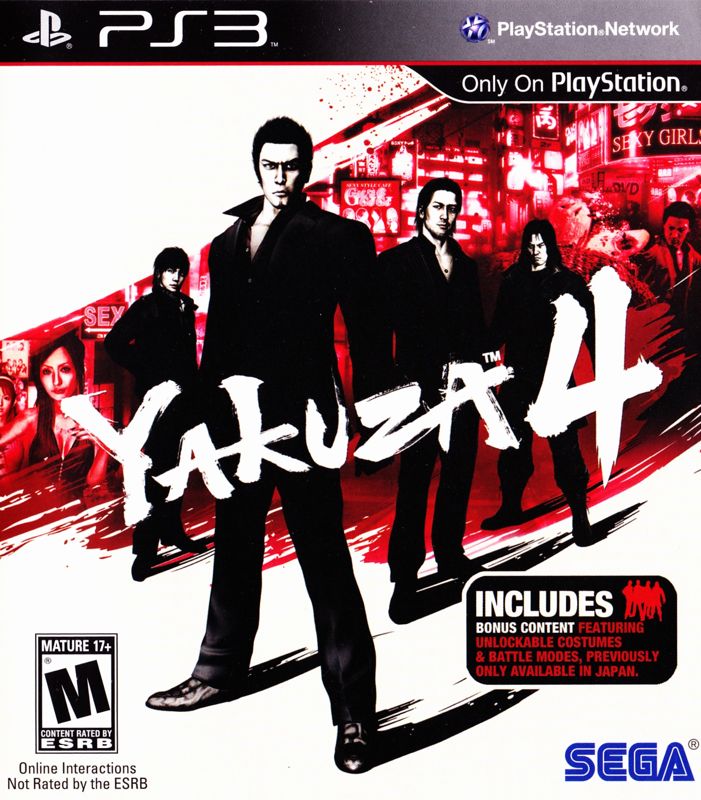
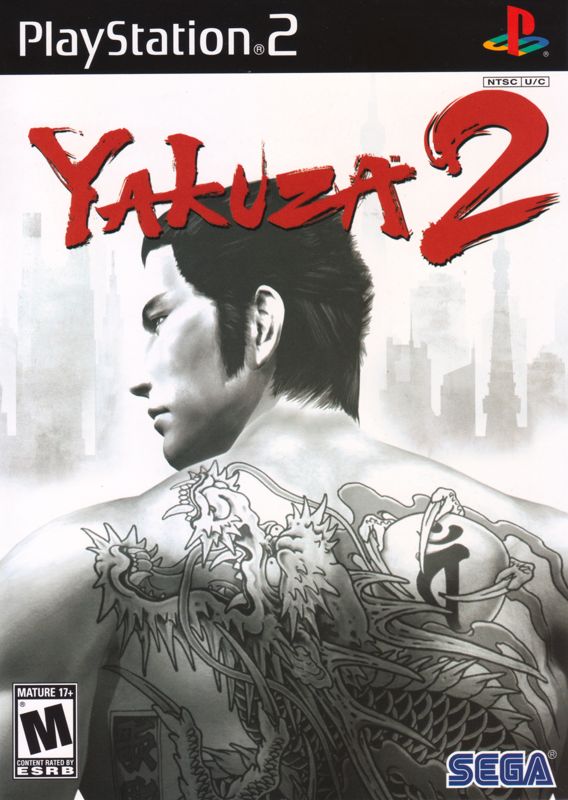
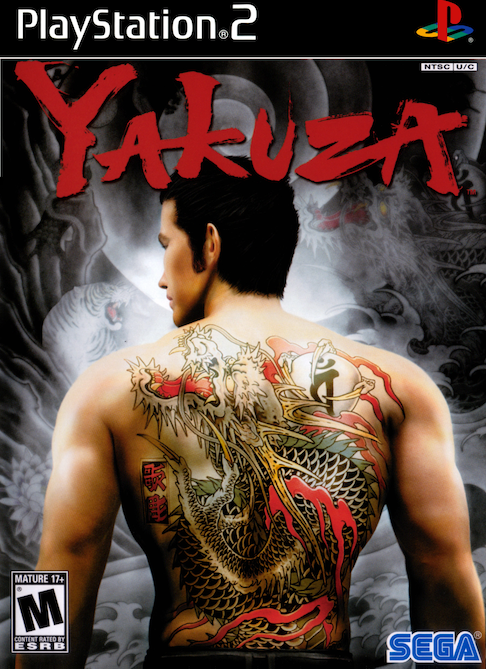
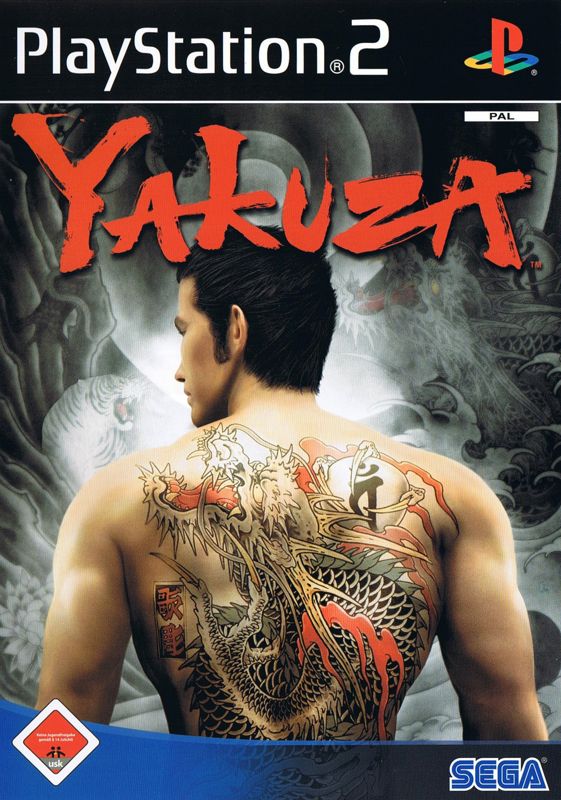
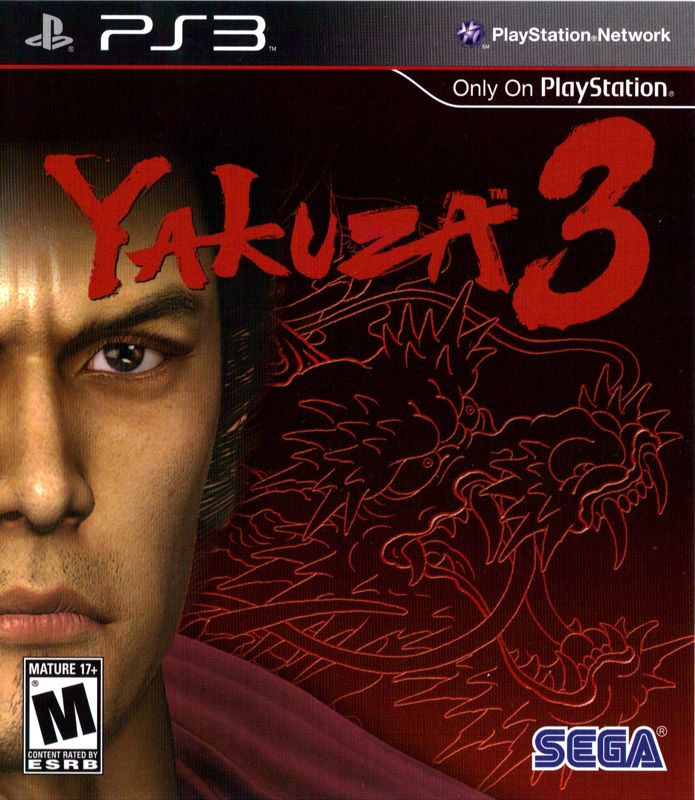
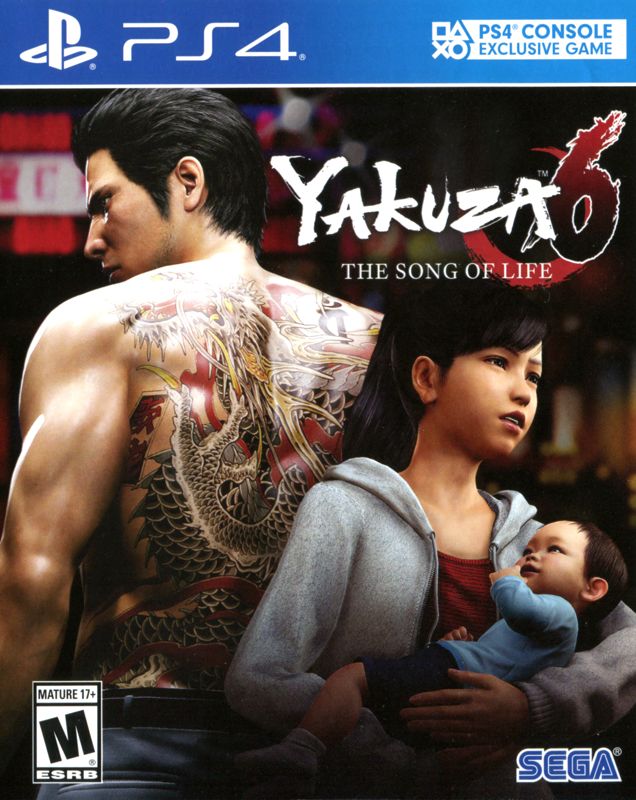
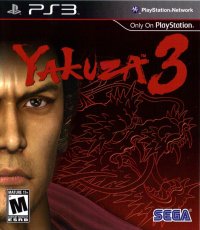
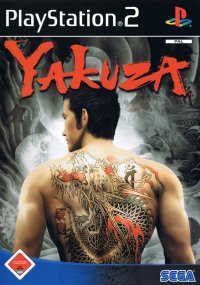
Yakuza franchise;
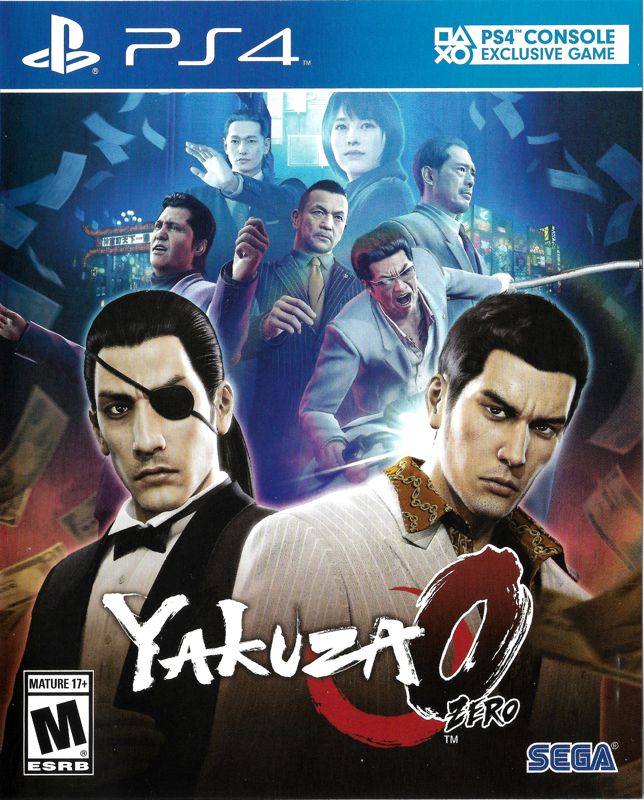
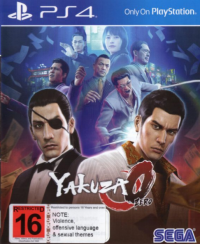
Yakuza 0 (2015) featured highly detailed, optional activities ranging from pocket circuit racing to fully playable arcade classics.
In the modern era, mini-games serve as both deep side-content and core cooperative features.
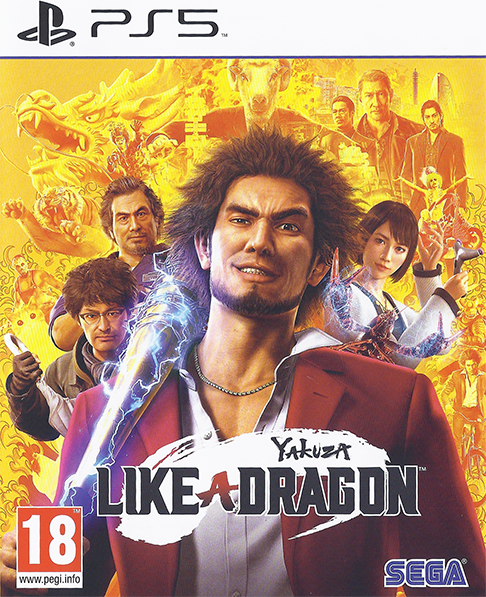
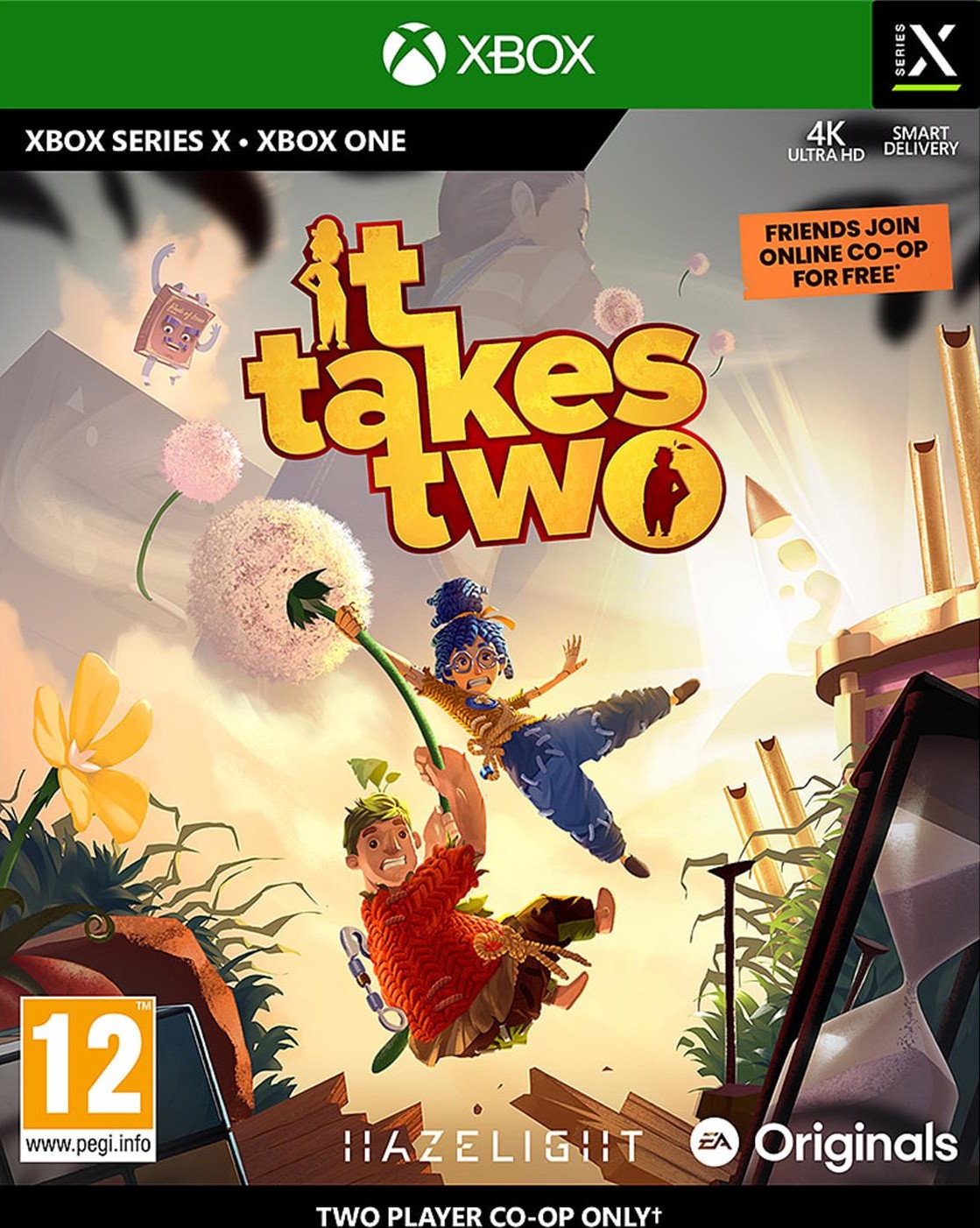
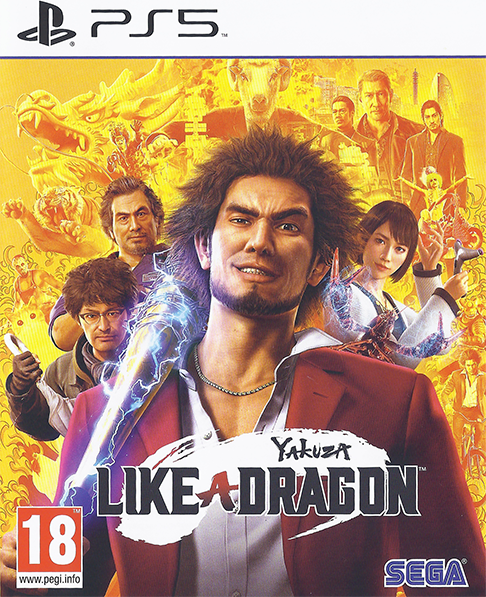
Yakuza: Like a Dragon (2020) continued the franchise's tradition with kart racing and business management simulators. Meanwhile, the cooperative platformer
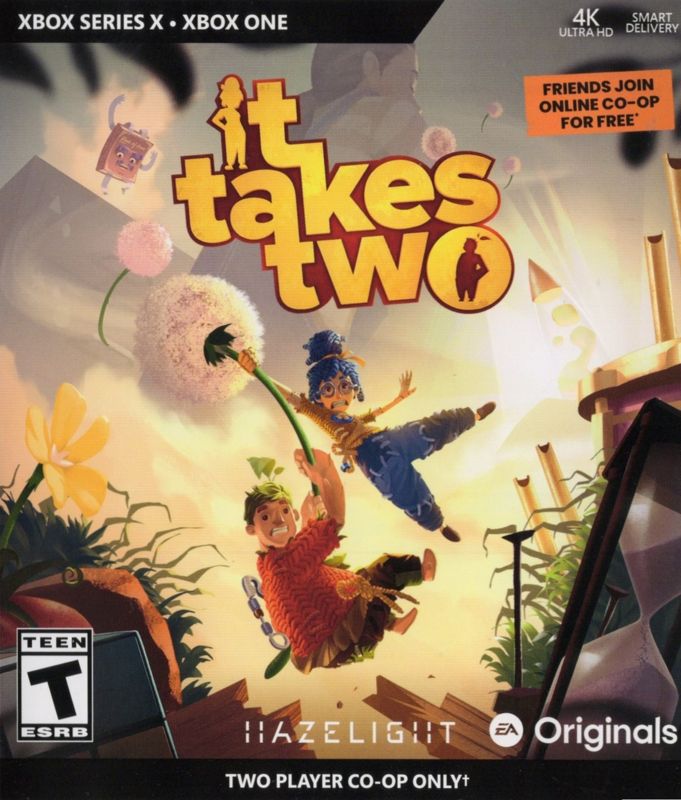
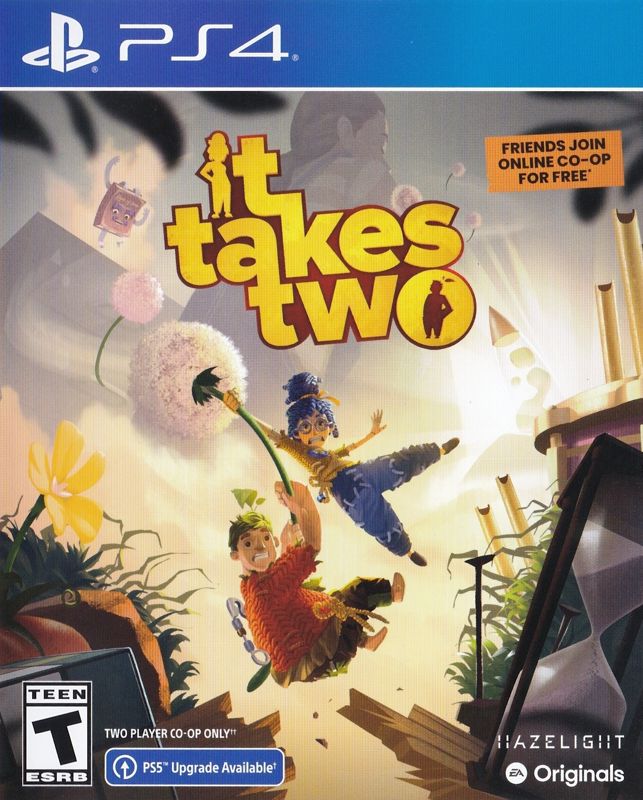
It Takes Two (2021) integrated competitive mini-games directly into its levels, demonstrating how the mechanic remains a vital tool for pacing and player engagement.































.png)







.png)