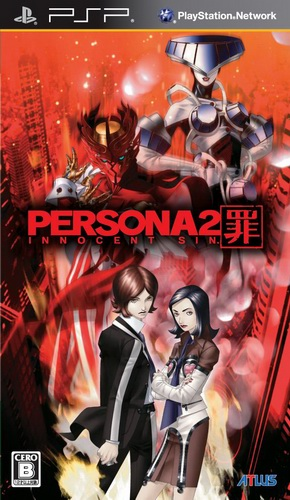
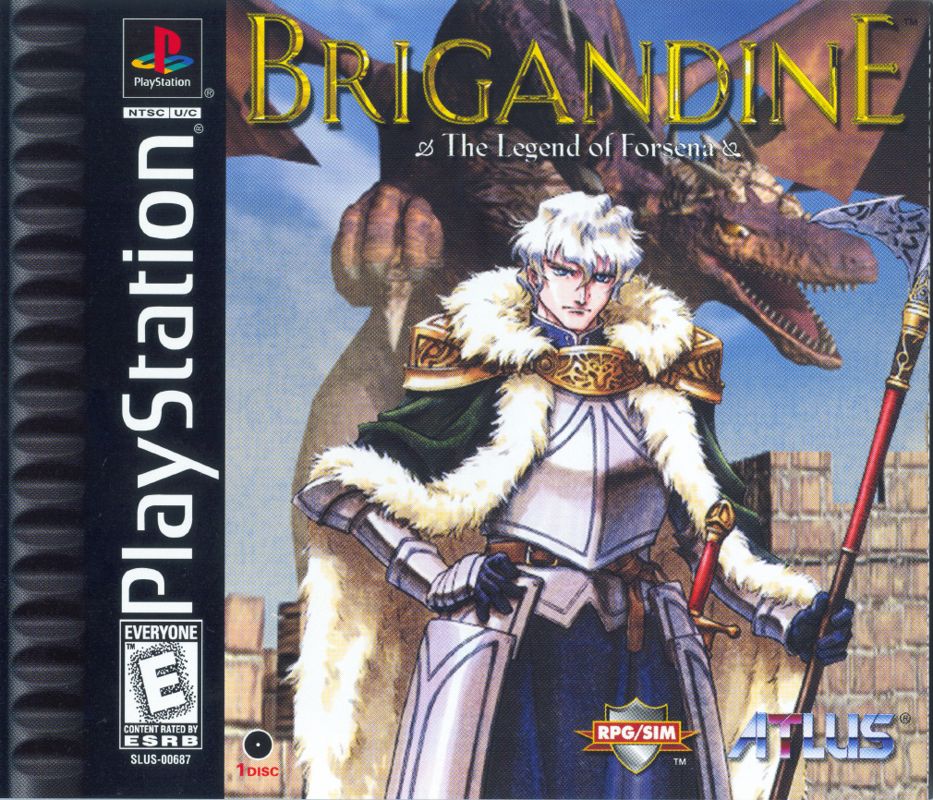
AAC Stunts (Active Action Club) provided motion capture, stunt coordination, and action design for various video games in the 1990s and 2000s. The company is credited in prominent titles from the Shin Megami Tensei franchise, including Shin Megami Tensei: Devil Summoner and Persona 2: Innocent Sin, as well as tactical RPGs like Densetsu no Ogre Battle and Brigandine: The Legend of Forsena.
During the mid-to-late 1990s, the integration of realistic physical movement became crucial for Japanese role-playing games transitioning into more cinematic presentations. The company's work on the action-RPG
Ragnacenty (1994) established an early footprint in defining character physics and real-time combat animations. This expertise directly benefited Atlus's expanding
Shin Megami Tensei universe. For the Game Boy Color release of
Megami Tensei Gaiden: Last Bible (1999) and the dark, sensory-deprivation themes of
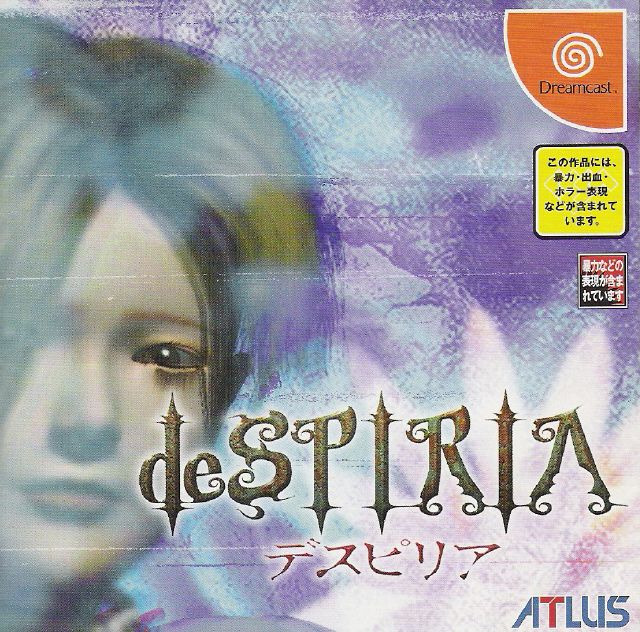
Despiria (2000), physical choreography helped ground the supernatural elements and turn-based battle sequences in realistic motion.
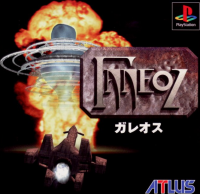
Beyond the core Atlus franchises, this specialized physical direction influenced other tactical and sci-fi releases of the era. The company contributed to the mechanical and aerial maneuvers in the shooter
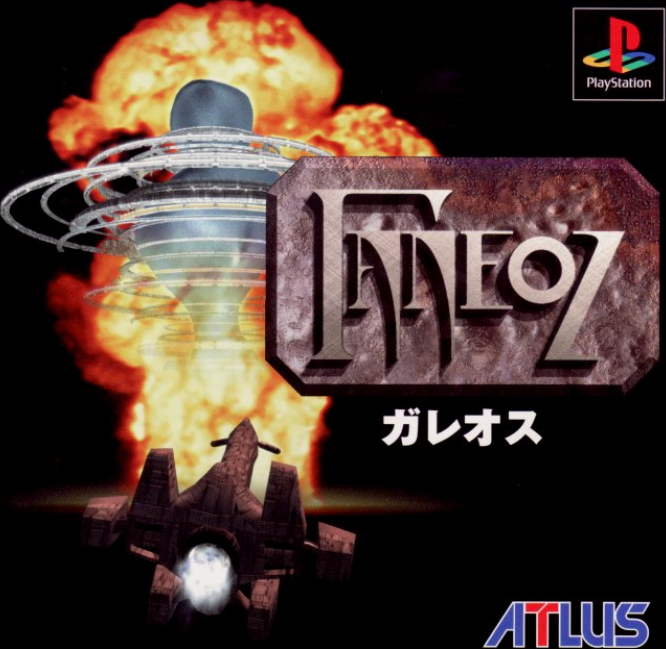
Galeoz (1996). By translating martial arts and physical stunt work into digital formats, these collaborations allowed developers of the
Tactics Ogre and
Shin Megami Tensei series to achieve a higher degree of dramatic tension in their narrative cutscenes and battle screens, bridging the gap between traditional sprite work and early 3D polygonal animation.

.jpg)



.png)
.png)





.jpg)






 (Bonus Disc).png)


.png)
.png)

 (Bonus Disc).png)