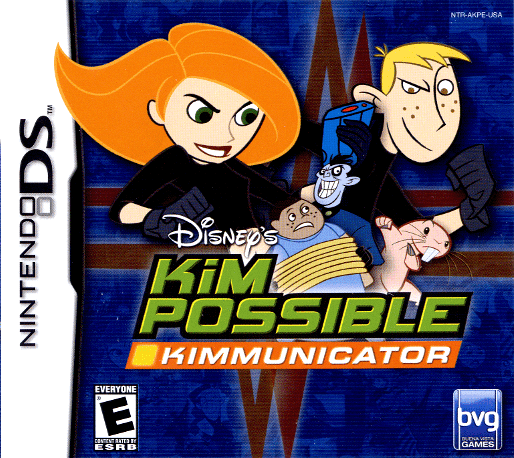
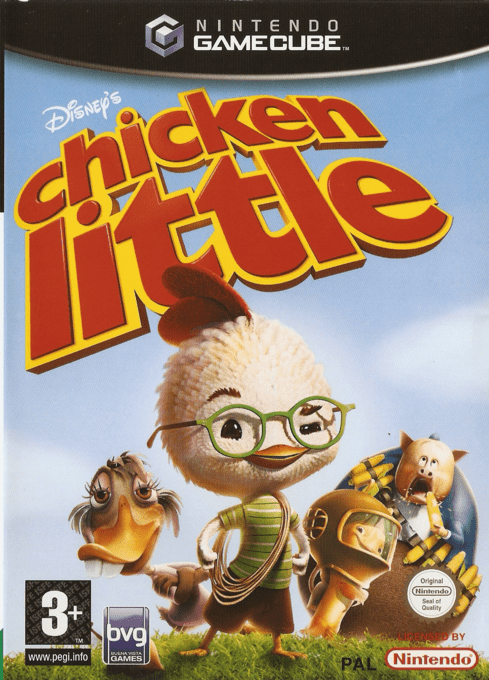
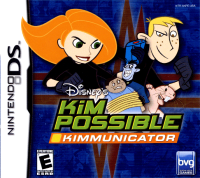
The publisher released several prominent licensed titles in the mid-2000s, including Pirates of the Caribbean (2003) and Tim Burton's The Nightmare Before Christmas: Oogie's Revenge (2005). They also published games based on Disney animated properties, such as Chicken Little (2005), its spin-off Himmel und Huhn: Ace in Action, and Kim Possible Kimmunicator (2005). Additionally, they handled major fantasy adaptations like The Chronicles of Narnia: The Lion, the Witch and the Wardrobe (2005).
Operating as the in-house interactive division of The Walt Disney Company, the publisher utilized these key franchises to transition from a licensing-only model into a fully integrated global publisher. By managing major intellectual properties directly, the company coordinated game releases to launch alongside theatrical debuts and home video windows.
For the
Pirates of the Caribbean franchise, the 2003 title
Pirates of the Caribbean (2003) marked a significant shift toward open-world role-playing mechanics on Xbox and PC. The company expanded its reach into gothic fantasy with
Nightmare Before Christmas: Oogie's Revenge (2005), collaborating with external developers to craft a hack-and-slash sequel for home consoles.
In the realm of animation, the publisher capitalized on CGI and television properties.
Chicken Little (2005) and its futuristic spin-off
Himmel und Huhn: Ace in Action (2000) targeted younger demographics across multiple platforms, while
Kim Possible Kimmunicator (2005) utilized the unique dual-screen features of the Nintendo DS. Fantasy adaptations also played a crucial role, with
Chronicles of Narnia Lion Witch and the Wardrobe (2005) receiving simultaneous releases across consoles and handhelds. This aggressive multi-platform strategy defined the publisher's operations prior to its 2007 rebranding as Disney Interactive Studios.
.png)

.jpg)
_1.png)
_1.png)

.png)
.png)

.png)


_1.png)




_1.jpg)


.png)

_1.png)


_1.png)
_1.png)




.jpg)
_1.png)

.png)
.png)
.png)


_1.png)


_1.png)
_1.jpg)
_1.png)