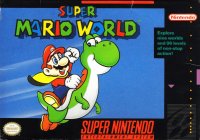
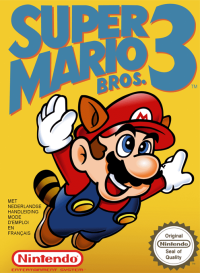
Originally founded as a playing card company, Nintendo transitioned into the electronic toy and video game industries during the 1970s. It achieved massive global success in the 1980s with the release of the Famicom/NES console and arcade hits like Donkey Kong and Mario Bros. The company remains one of the most influential and enduring publishers in video game history.
During the early 1980s, the publisher established its foundational software library by releasing a diverse range of titles. In 1983, the company published several landmark games, including the home ports of
Donkey Kong (1983),
Donkey Kong Jr. (1983), and the specialized
Donkey Kong [Silver Box] (1983) edition. This period also saw the release of the cooperative platformer
Mario Bros. (1983) and the licensed title
Popeye (1983), alongside its educational spin-off
Popeye no Eigo Asobi (1983). To appeal to broader audiences, the company expanded into digital adaptations of traditional tabletop and sports games, releasing
Mahjong (1983) and
Baseball (1983).
These early releases showcased the design philosophies of key figures like Shigeru Miyamoto, emphasizing precise controls and character-driven gameplay. By securing prominent intellectual properties and developing internal software, the publisher established rigorous quality control standards that defined the early home console market. This strategic focus on software diversity, spanning action, sports, and educational genres, laid the groundwork for long-running franchises that continue to dominate the global interactive entertainment industry.
Nintendo Playing Card Co.










_1.png)
_1.png)