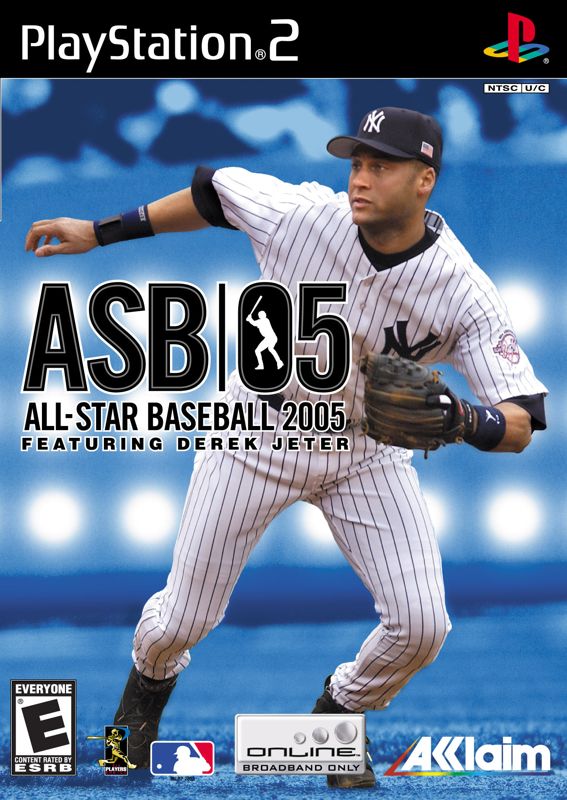
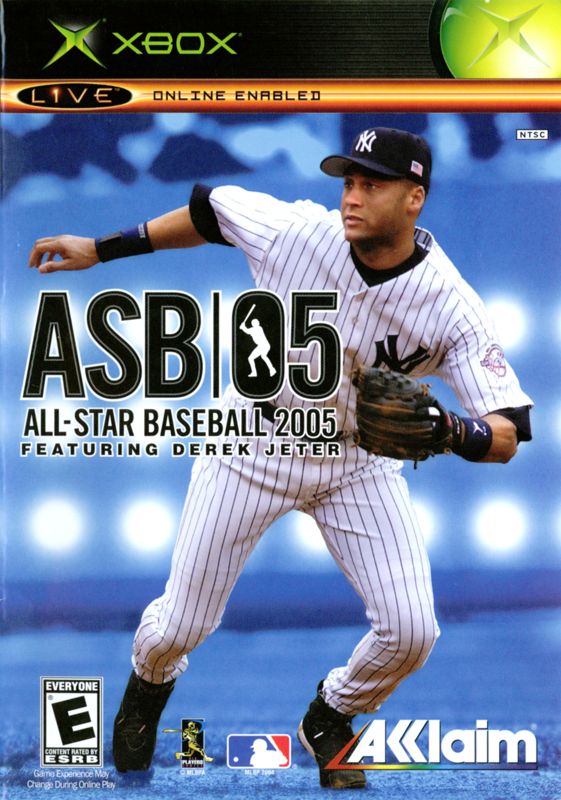
The All-Star Baseball series became a staple of sports gaming on platforms like the Nintendo 64 and PlayStation. It includes early entries such as All-Star Baseball 97, All-Star Baseball 99, All-Star Baseball 2000, and All-Star Baseball 2001. The franchise was known for its realistic simulation gameplay, official MLB licensing, and featuring prominent players like Derek Jeter on its covers.
Acclaim Entertainment established the franchise as a successor to its previous baseball titles, utilizing Iguana Entertainment's development expertise. The transition began with
All-Star Baseball 97 (1997), which targeted 32-bit consoles. The series took a significant technological leap forward with
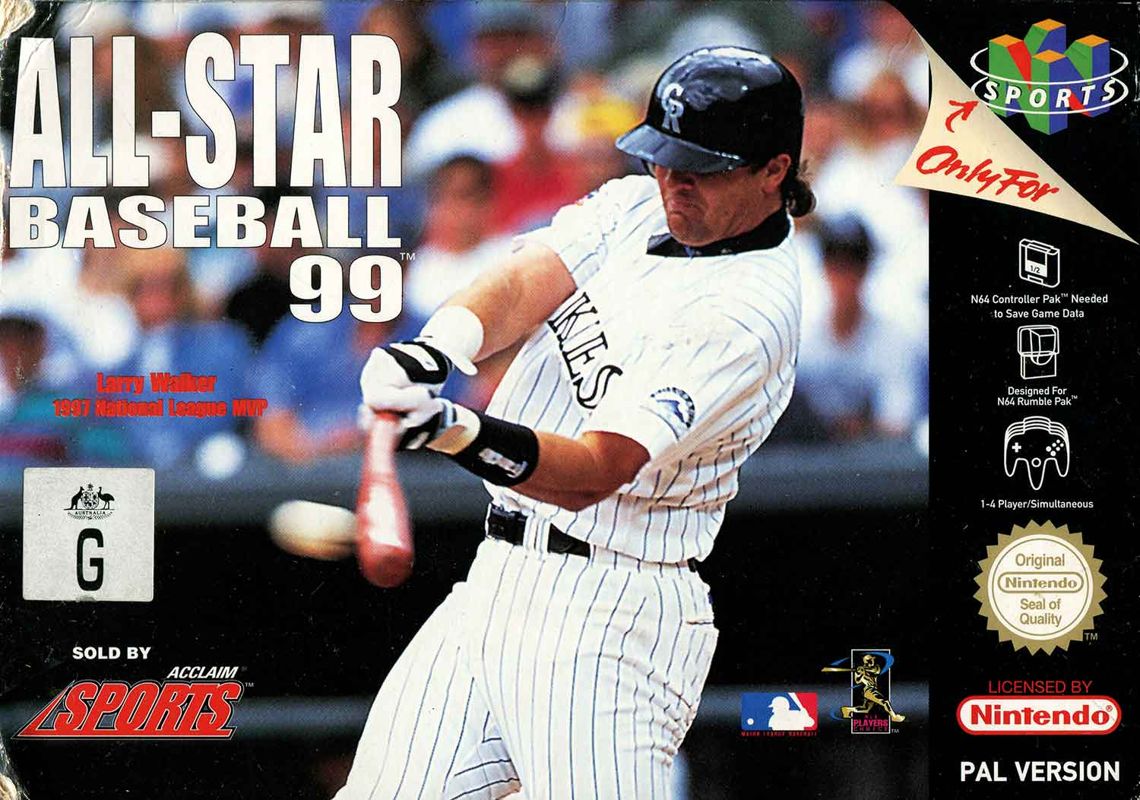
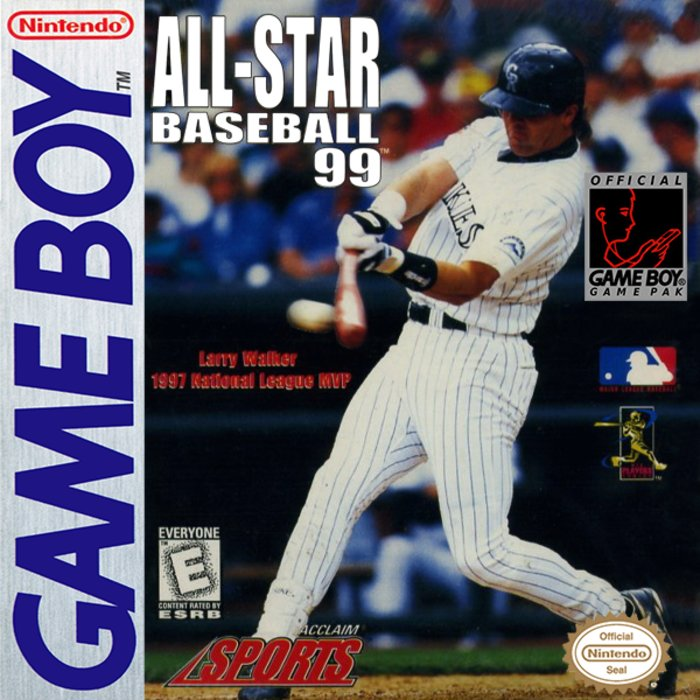
All-Star Baseball 99 (1998), leveraging hardware to introduce high-resolution 3D graphics, detailed player models, and innovative batting interfaces that set new standards for console sports games.
Subsequent iterations refined these mechanics.
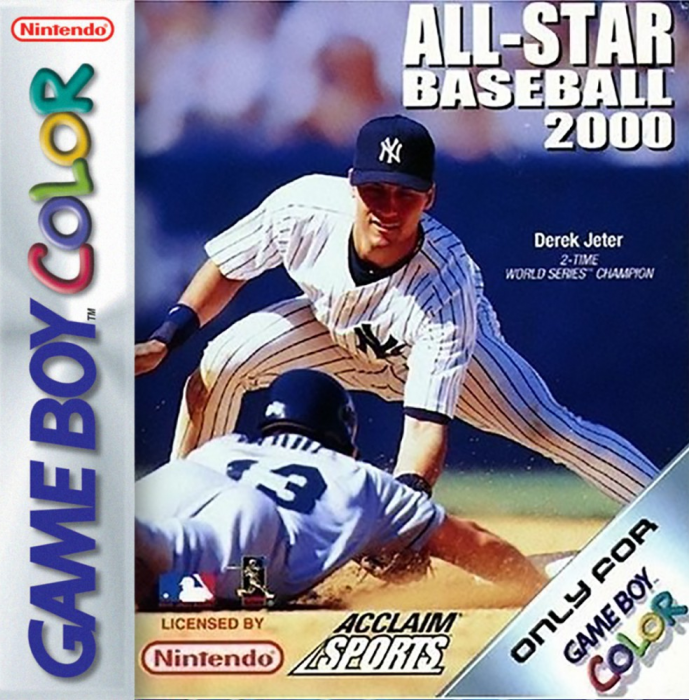
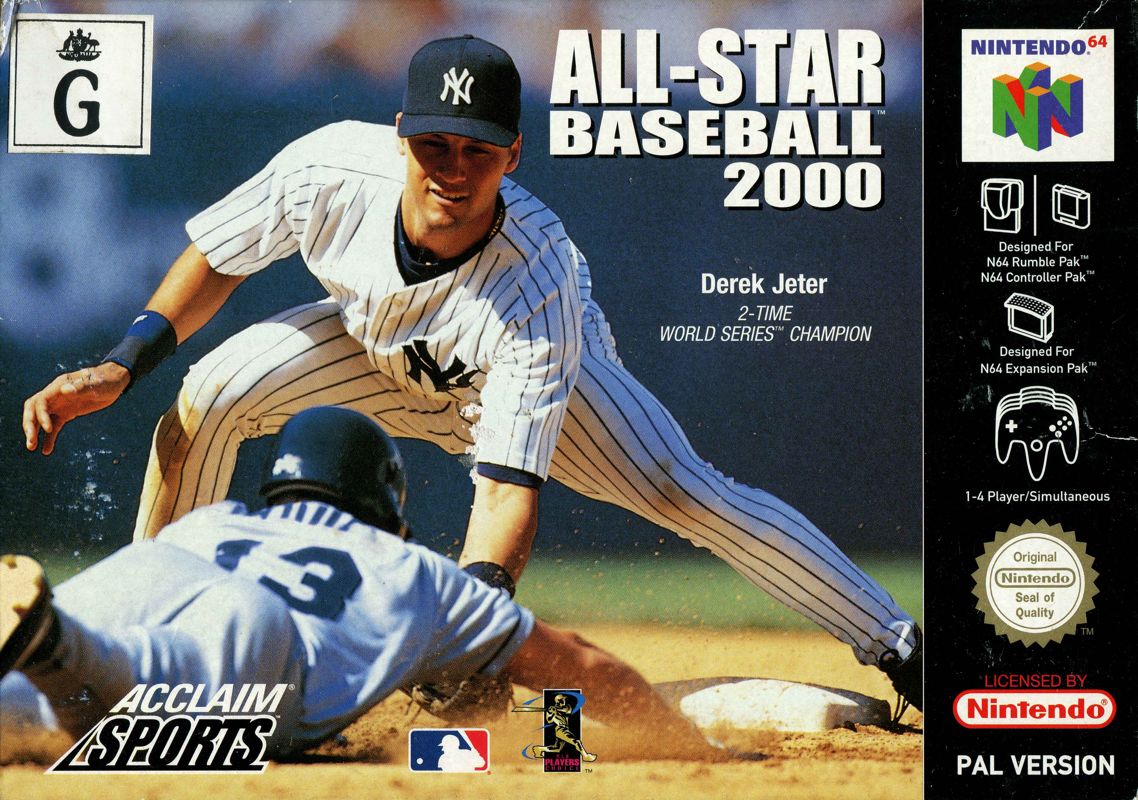
All-Star Baseball 2000 (1999) expanded the gameplay options by introducing play-by-play commentary from Jon Miller and Joe Morgan, alongside a dedicated Home Run Derby mode. This was followed by
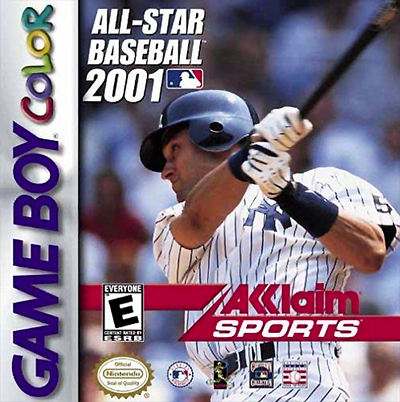
All-Star Baseball 2001 (1999), which further polished the physics and expanded the franchise's reach to handheld systems. Throughout this era, the development team focused on capturing authentic stadium dimensions and broadcast-style presentations, securing the series' position as a major competitor in the late-1990s sports video game market before the franchise eventually transitioned to sixth-generation consoles.




.png)







.png)

.png)










 (Beta 1).png)
.png)

.jpg)

.png)


.png)



.png)
.jpg)
.png)

 (Beta 1).png)