The Dead or Alive series debuted in arcades before being ported to home consoles, including Dead or Alive (1997) on the Sega Saturn and Dead or Alive (1998) on the PlayStation. The franchise is recognized for its unique triangle system of strikes, throws, and holds. It has since grown into a major fighting game franchise with numerous sequels and spin-offs.
The franchise's history is documented across various releases and media, including early iterations and guides such as the 1987 titles
Dead Or Alive and
Dead or Alive, alongside the 1993 strategy guide publication
Dead or Alive 3 [Prima]. The core fighting series expanded its reach with specialized console versions, notably
Dead Or Alive [Limited Edition] (1997) and the standard
Dead or Alive (1997) release, followed by multiple regional editions of
Dead or Alive (1998).
Created by Tomonobu Itagaki and developed by Team Ninja, the series distinguished itself from contemporary 3D fighters by introducing highly interactive environments. Stages featured "Danger Zones" around the perimeter of the ring, which dealt extra damage and sent characters airborne when triggered. The franchise also gained notoriety for its physics engine and character designs, particularly its female roster, which later inspired the Dead or Alive Xtreme volleyball spin-off series. Over the decades, the mainline entries transitioned from Sega Model 2 arcade hardware to become flagship titles for Microsoft's Xbox platforms, cementing the brand's legacy in competitive fighting game history.


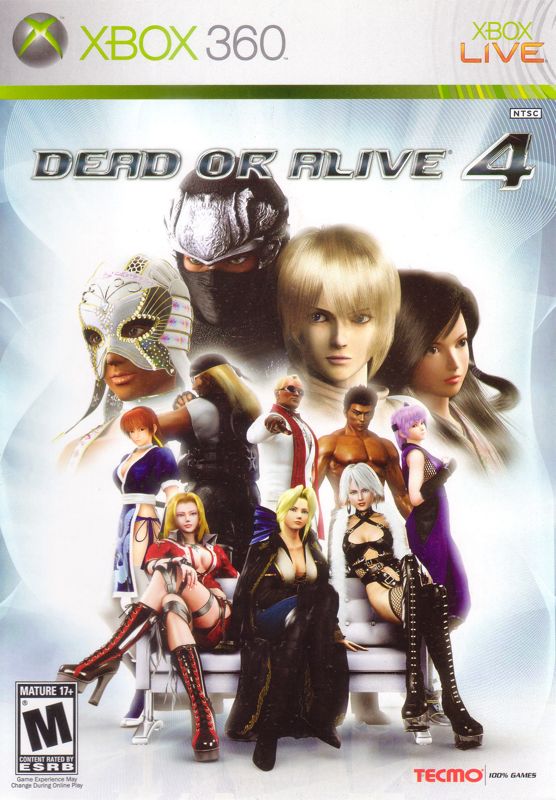

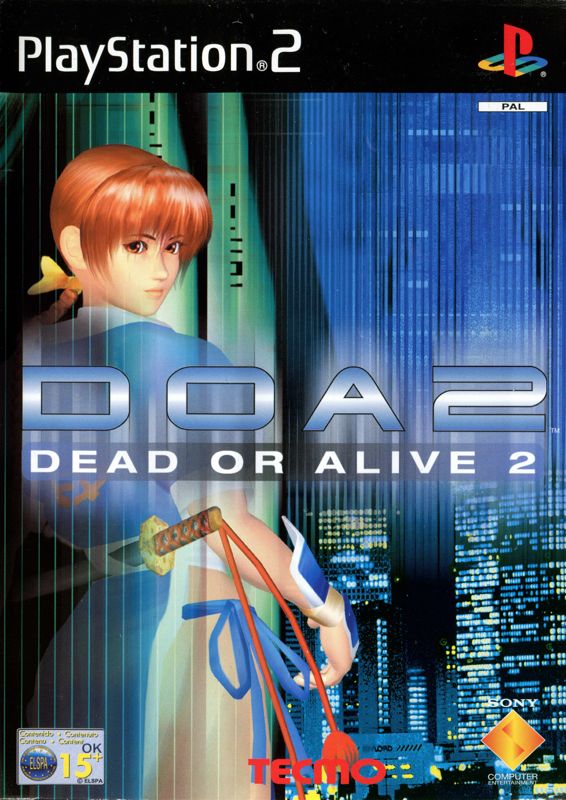
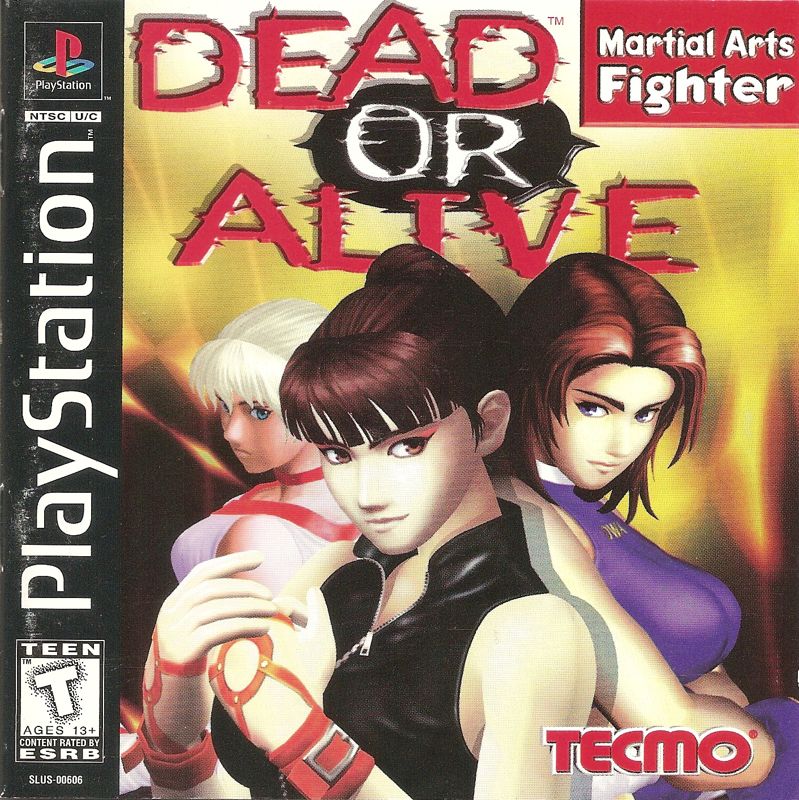














.png)




.png)