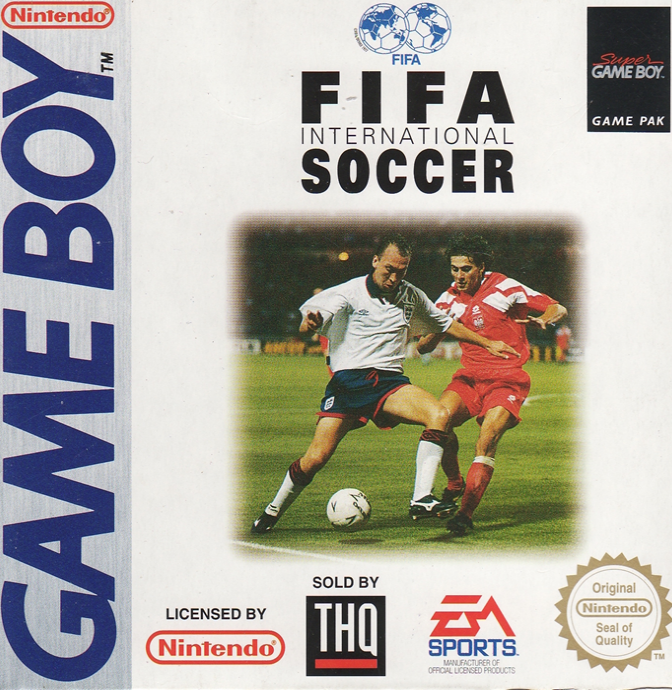
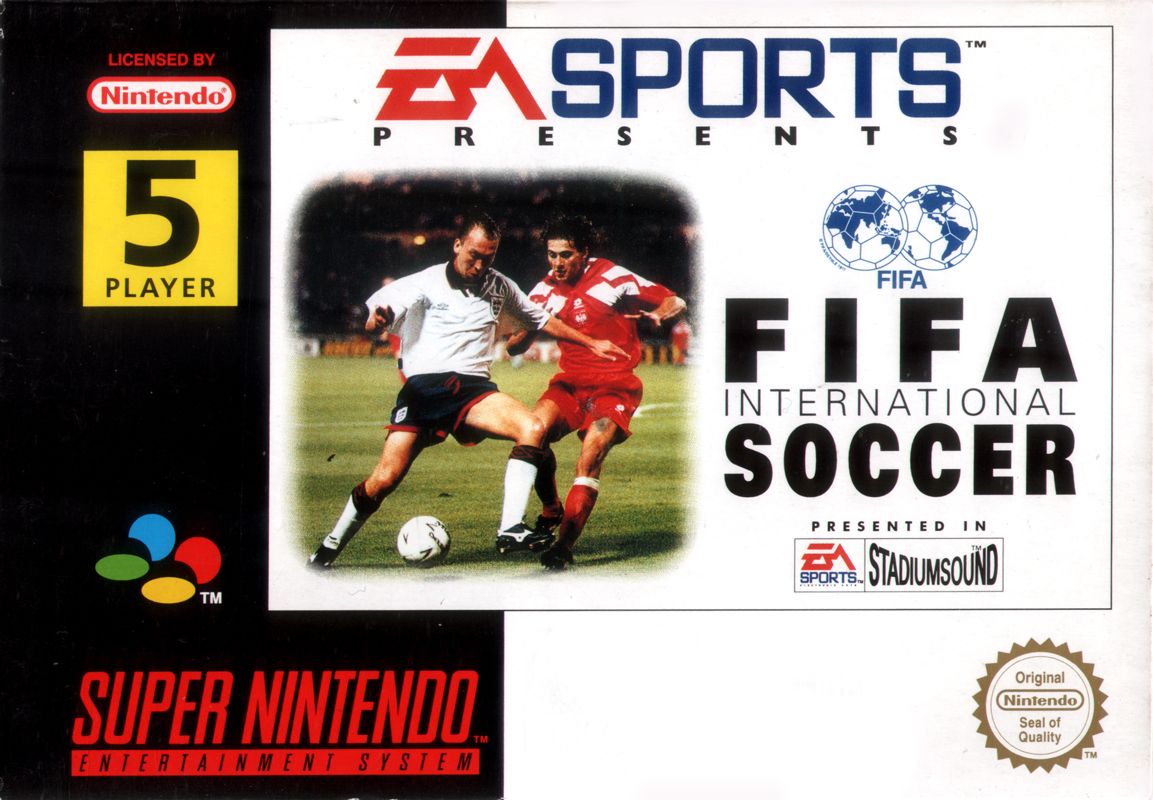
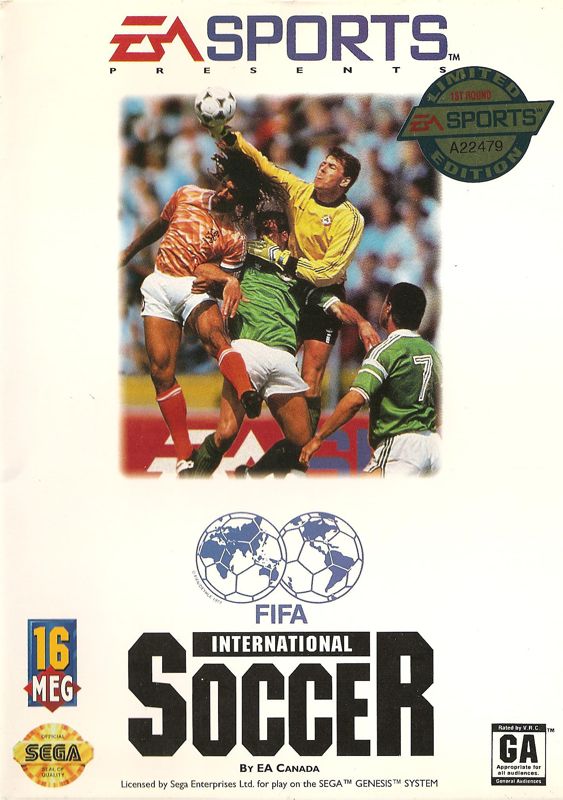
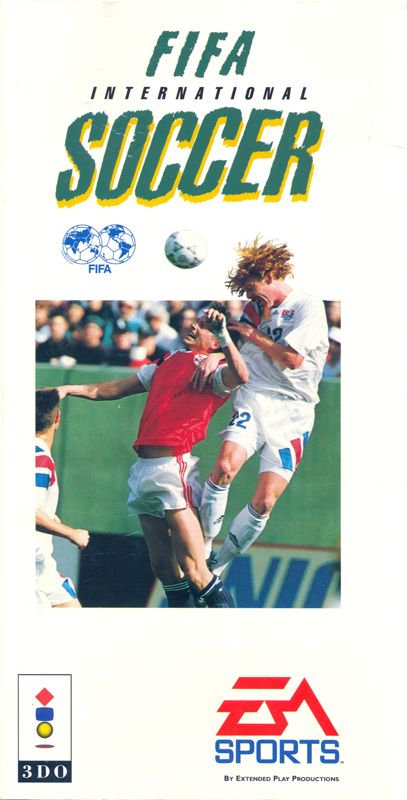
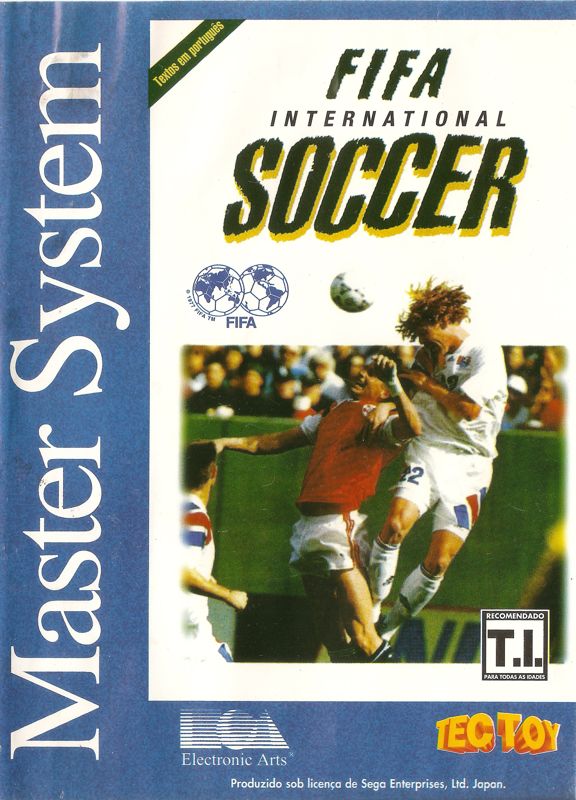
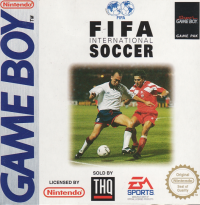
FIFA International Soccer launched in 1993 for the Sega Genesis before being ported to platforms like the SNES, Amiga, Game Boy, Game Gear, and 3DO in 1994. It popularized an isometric perspective for soccer video games, a major shift from the traditional top-down views of the era. The success of these 1993 and 1994 releases laid the foundation for EA Sports' annual FIFA franchise.
Developed under the working title "EA Soccer," the project was produced by EA Canada. While
FIFA International Soccer (1993) lacked the official FIFPro license to use real player names, it secured the official FIFA license, granting use of genuine country names and flags. The game featured 48 national teams, alongside a fictional squad named EA All-Stars.
The various 1994 ports introduced distinct technical variations. The MS-DOS version of
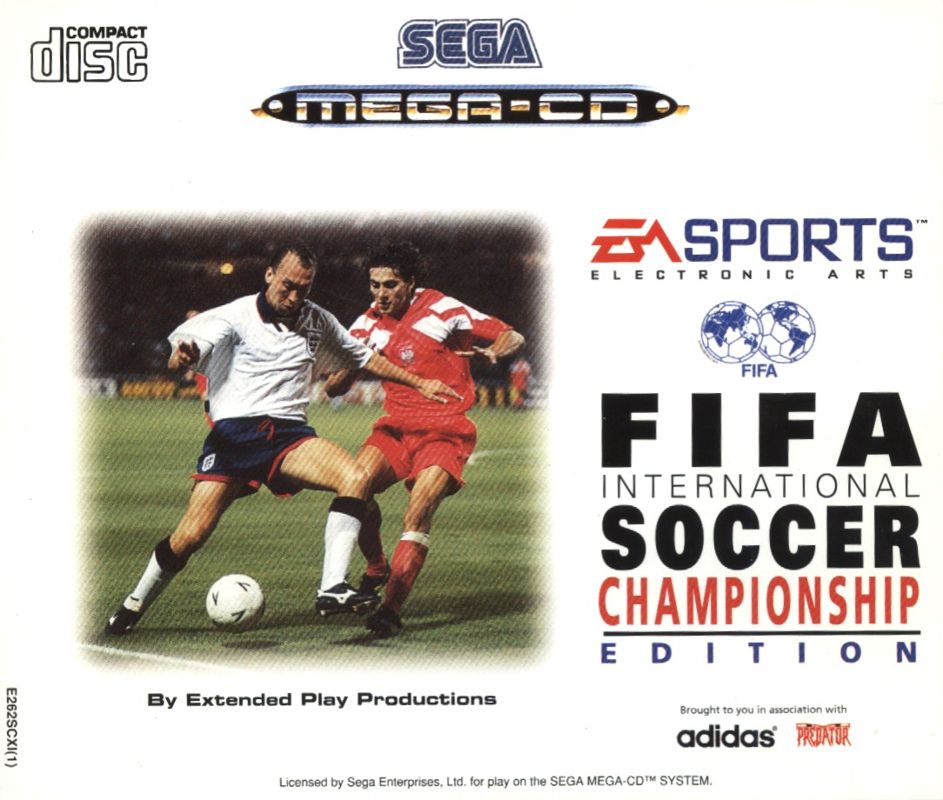
FIFA International Soccer (1994) introduced enhanced SVGA graphics and a CD-ROM release featuring actual crowd chants. The Sega Mega CD version, also released as
FIFA International Soccer (1994), incorporated full-motion video sequences and CD-quality audio. A rare PAL-exclusive Sega Mega Drive release,
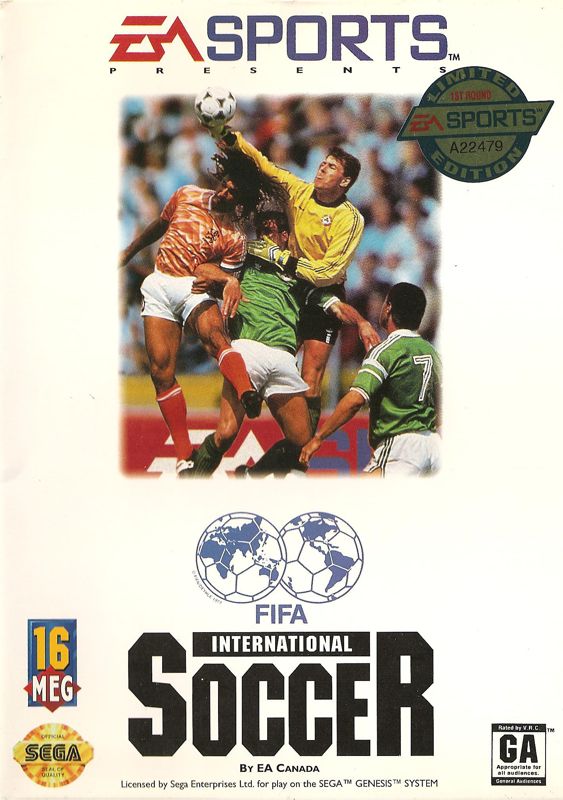
FIFA International Soccer [Limited Edition] (1993), offered minor roster updates.
Gameplay was notable for its detailed animations and a notorious exploit where players could run away from the referee to avoid receiving a booking. The game's commercial reception was unprecedented, particularly in the United Kingdom, where it became the best-selling game of the year within weeks of its release, establishing soccer as a cornerstone of Electronic Arts' sports lineup.






.png)





.png)