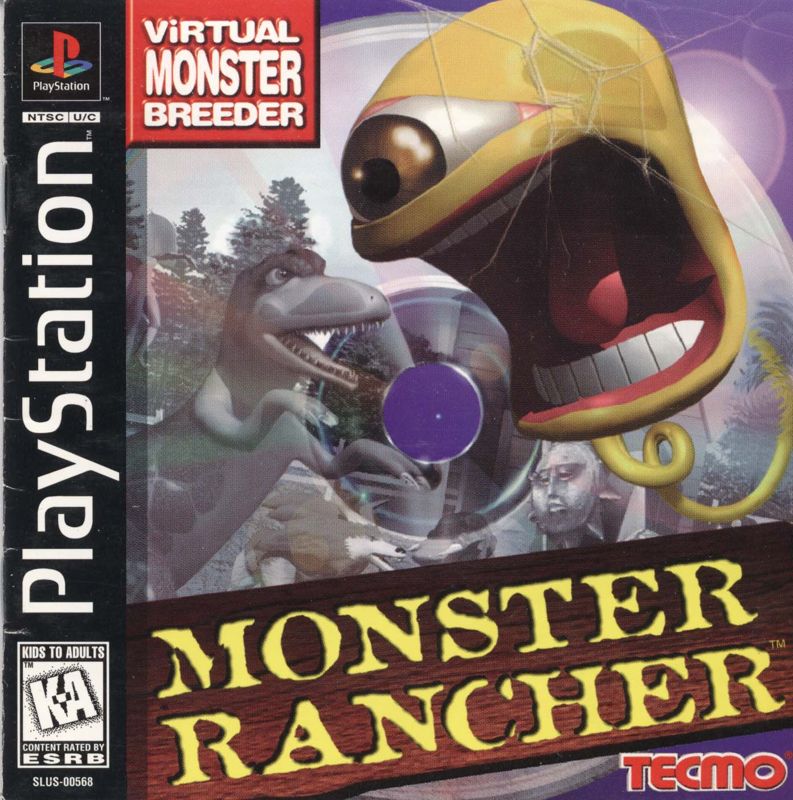
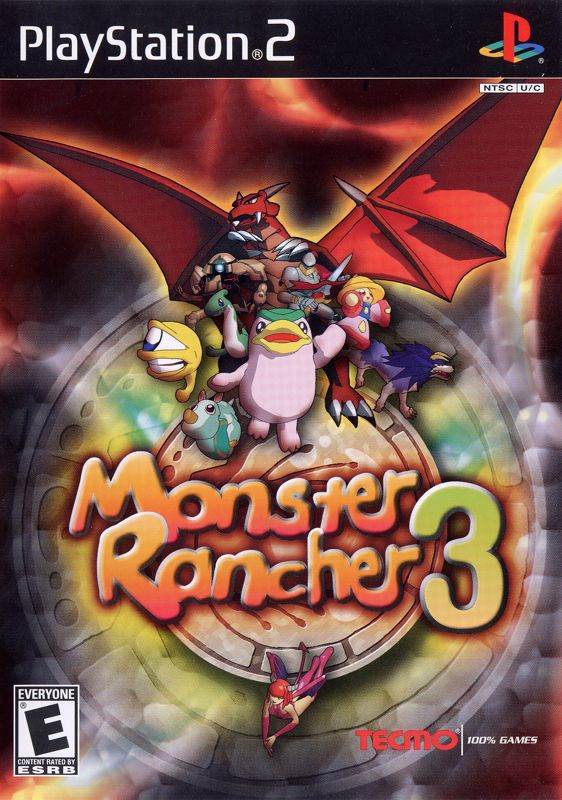
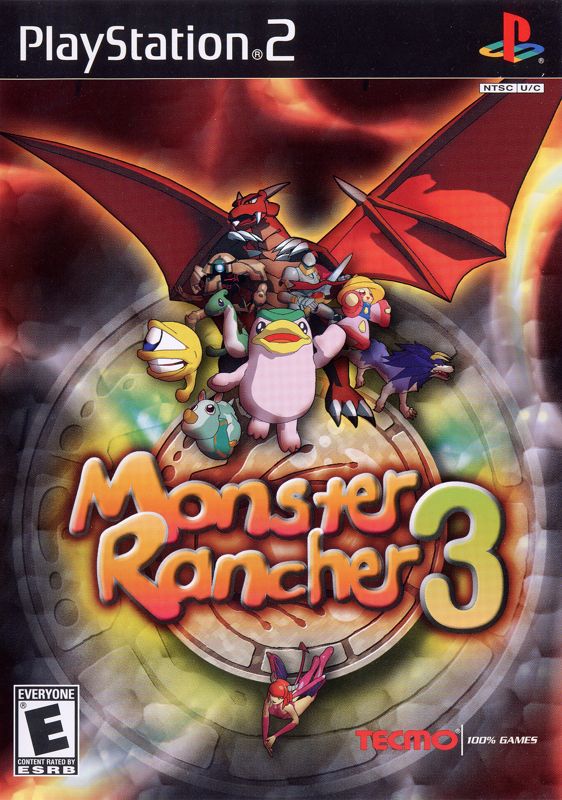
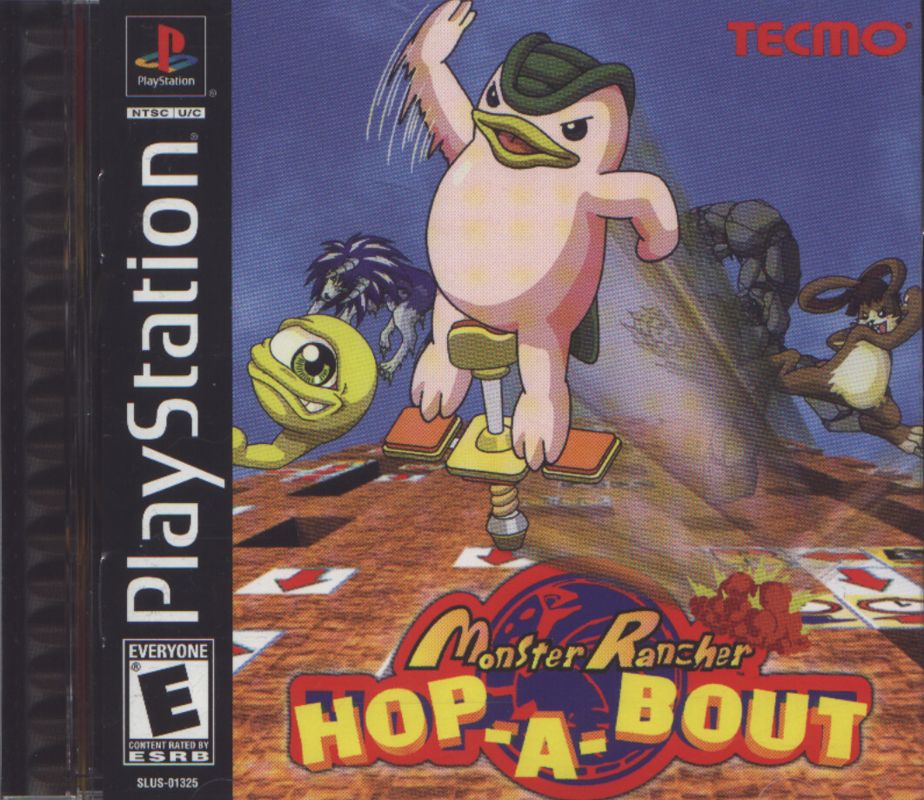
The Monster Rancher series, known as Monster Farm in Japan, debuted with the original Monster Rancher in 1997 and continued with Monster Rancher 2 in 1999 and Monster Rancher 3 in 2001. The franchise is highly recognized for its innovative mechanic allowing players to spawn unique monsters by inserting music CDs and other game discs into their console. Players manage these creatures on a ranch, training their attributes to compete in official tournament battles.
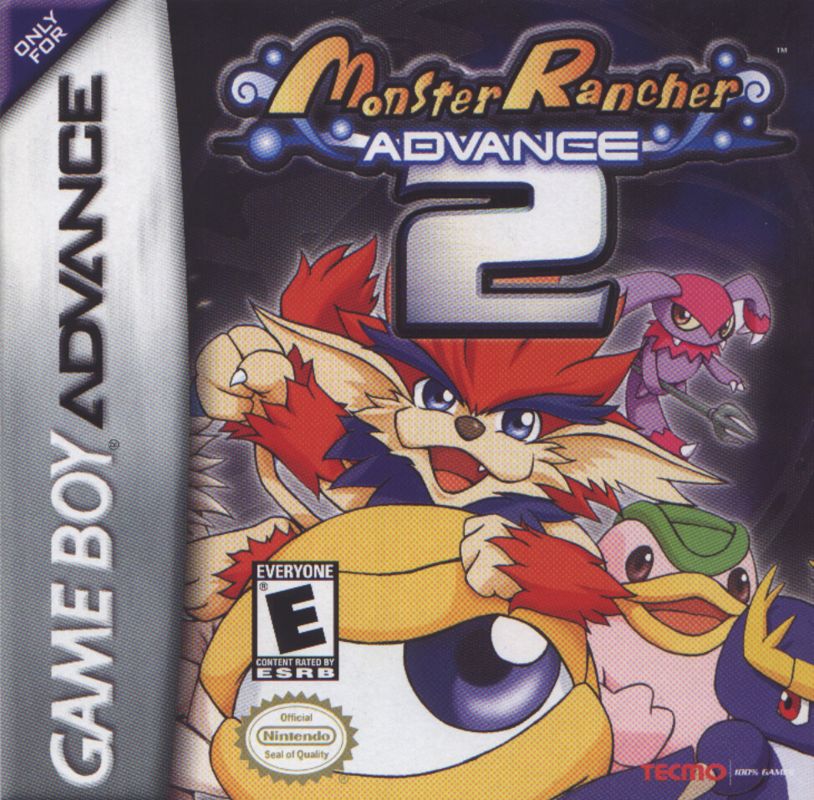
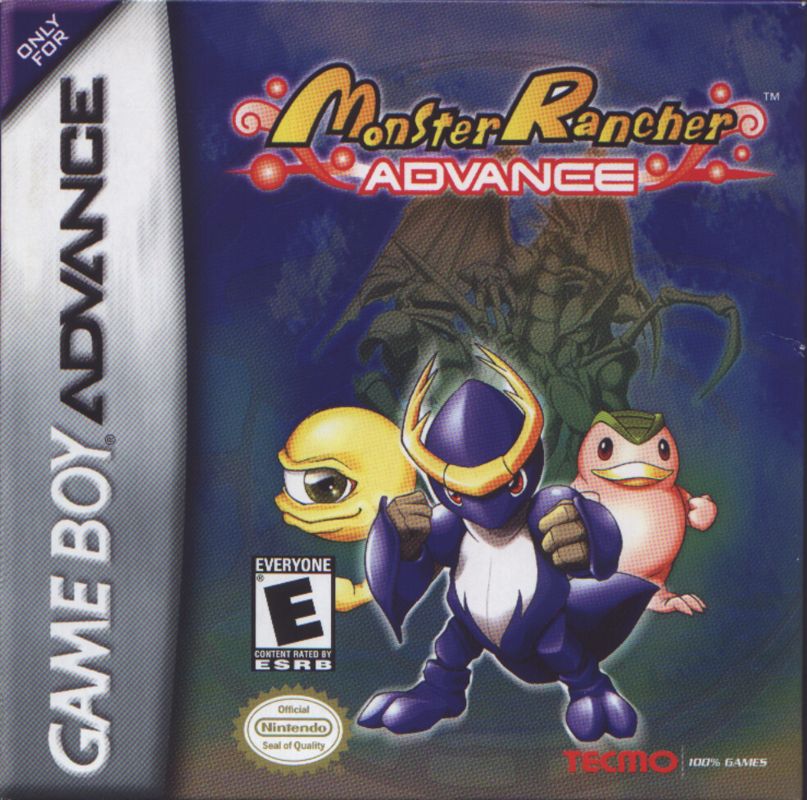
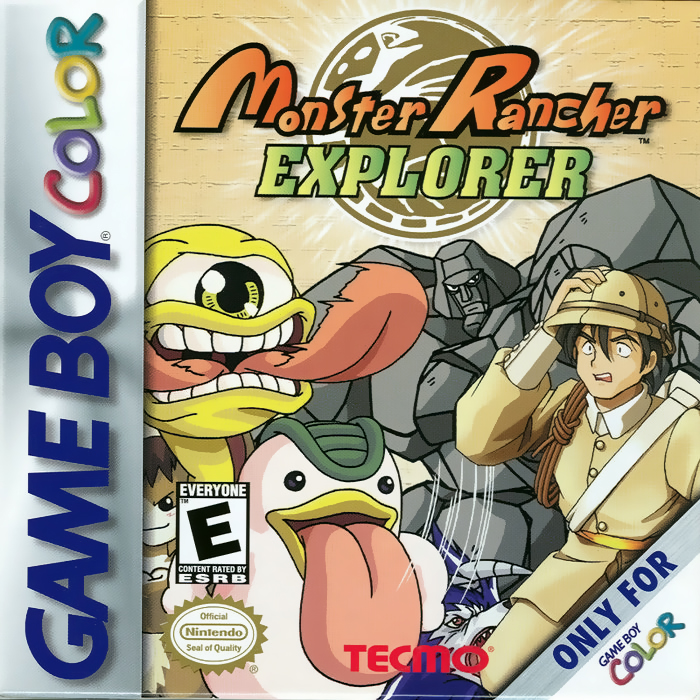
Developed primarily by Tecmo, the franchise expanded its reach beyond home consoles with handheld adaptations, including
Monster Rancher (2000) and
Monster Rancher (2001) for portable systems. Promotional efforts and early hands-on access were facilitated through physical distributions like the
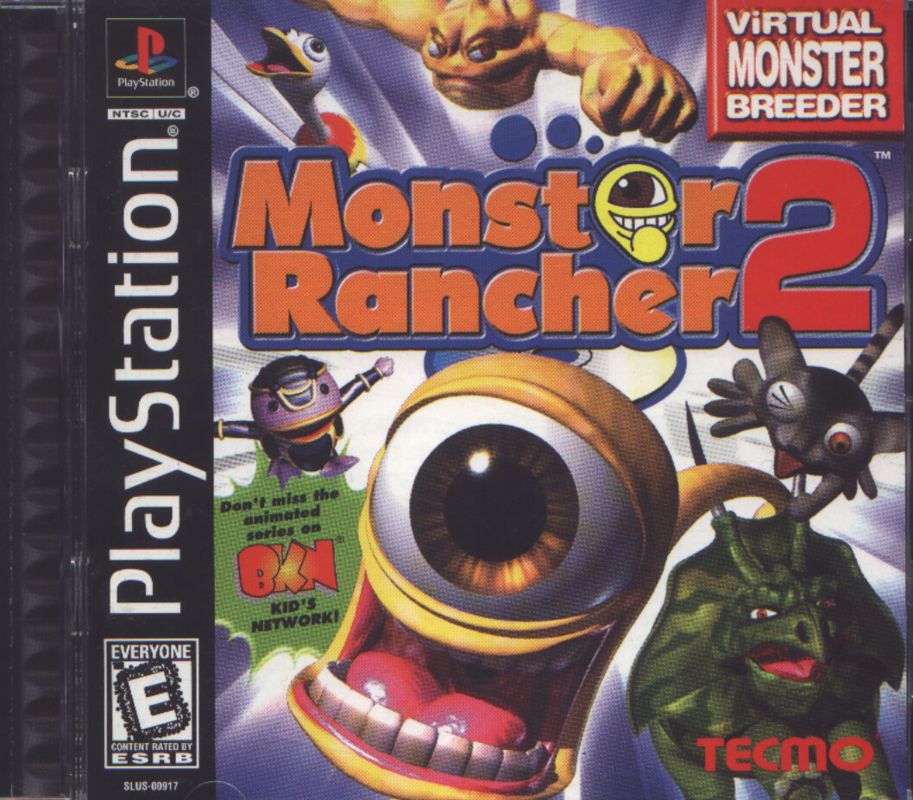
Monster Rancher 2 (Demo CD) (1999) and
Monster Rancher 2 [Demo CD] (1999), which allowed players to experience the sequel's refined mechanics prior to its main release.
The series also generated printed strategy guides and literature, such as
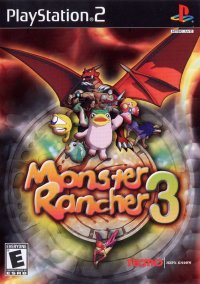
Monster Rancher 3 [Prima] (1993), to assist players in navigating the complex breeding formulas and hidden stats of the simulation. Beyond basic training, gameplay depth in
Monster Rancher (1997),
Monster Rancher 2 (1999), and
Monster Rancher 3 (2001) relies on monster lifespans, retirement, and the combining of different breeds at the lab to inherit specialized traits. This simulation loop is supported by exploration mechanics, where players send monsters on expeditions to find rare items. The franchise's legacy includes cross-media adaptations, such as an anime series, cementing its status as a distinct alternative to contemporary monster-collecting RPGs.
.png)








.png)