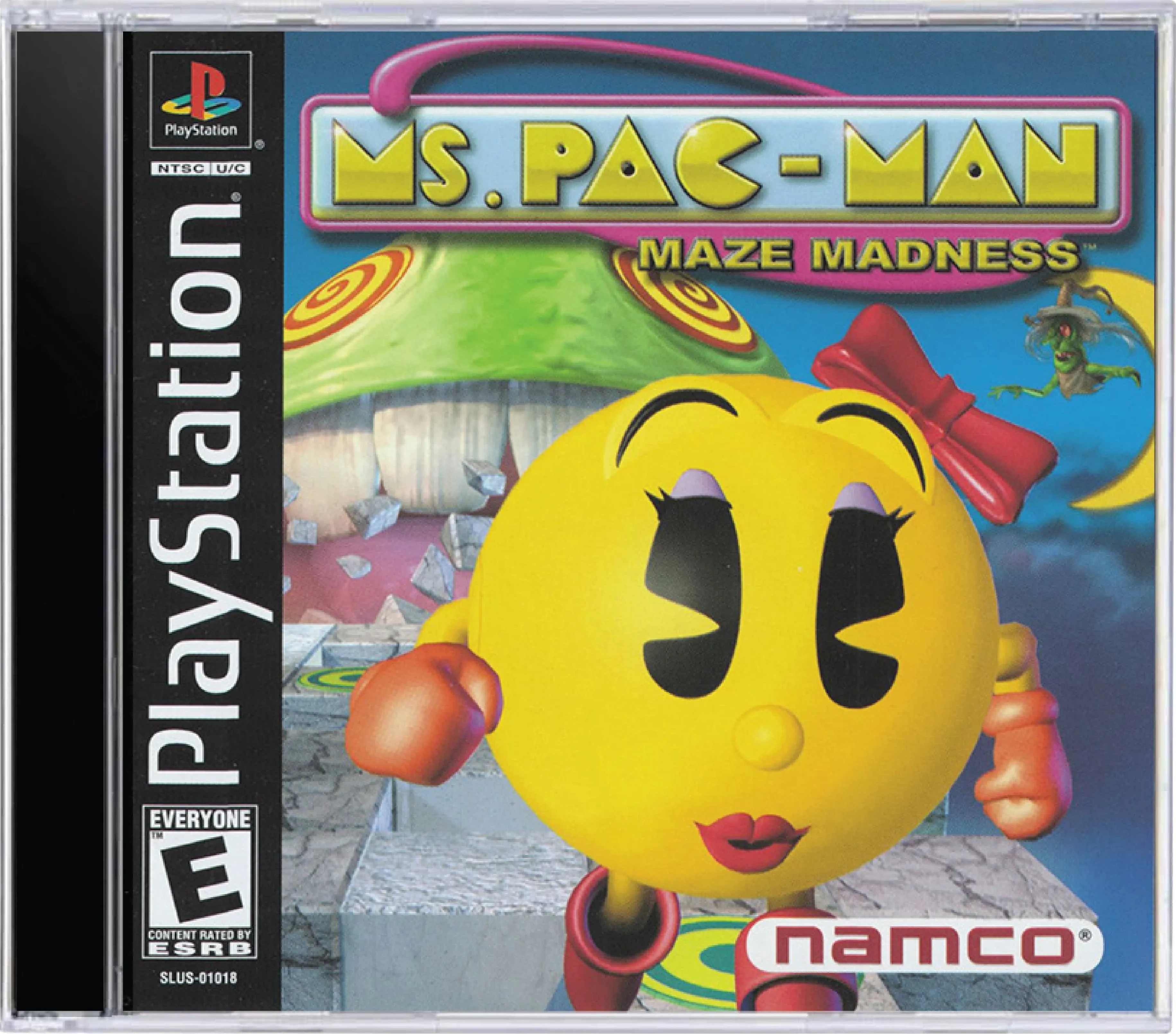
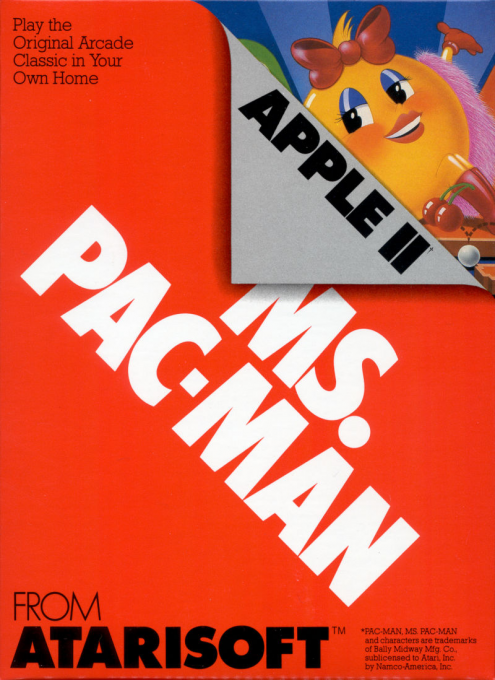
Originating from an unauthorized enhancement kit for Pac-Man, Ms. Pac-Man was officially released by Bally Midway in 1982. The series, which saw numerous ports and releases between 1981 and 1983, improved upon the original game by introducing changing mazes, moving bonus items, and distinct ghost behaviors. It became one of the most successful and critically acclaimed arcade games of all time.
The franchise's rapid expansion across home platforms solidified its cultural footprint. Following the initial
Ms. Pac-Man (1981) arcade debut, Atari secured the home console rights, leading to the highly successful
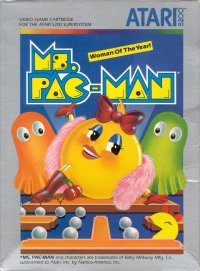
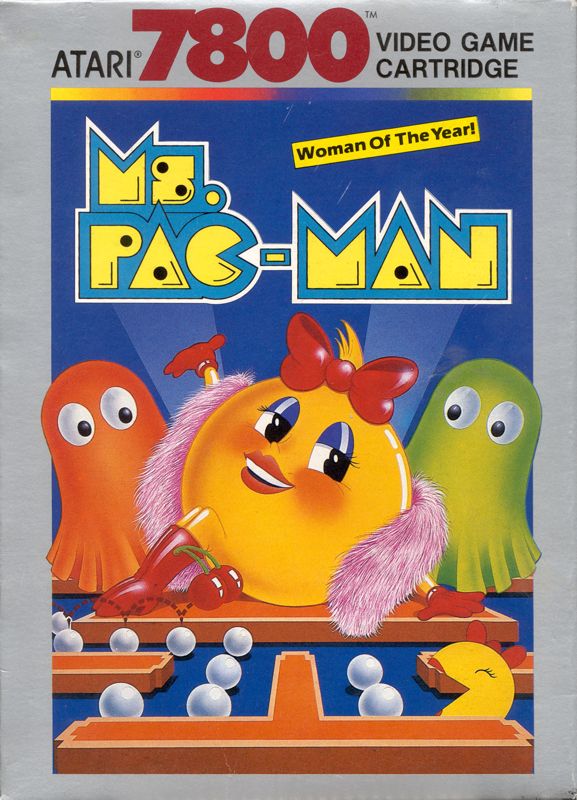
Ms. Pac-Man (1982) release for the Atari 2600. This version corrected many graphical shortcomings of the previous
Pac-Man port, earning widespread praise.
Subsequent iterations quickly followed to satisfy intense market demand. In 1983, a flurry of distinct versions of
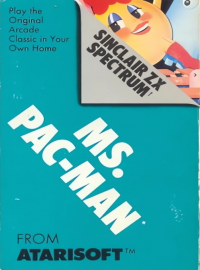
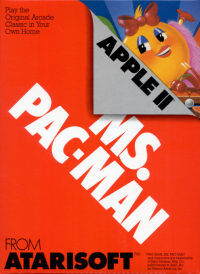
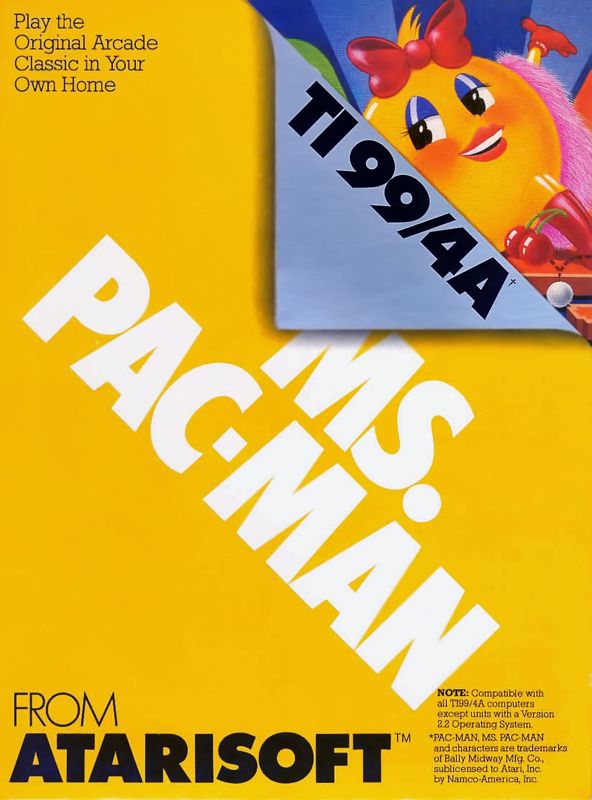
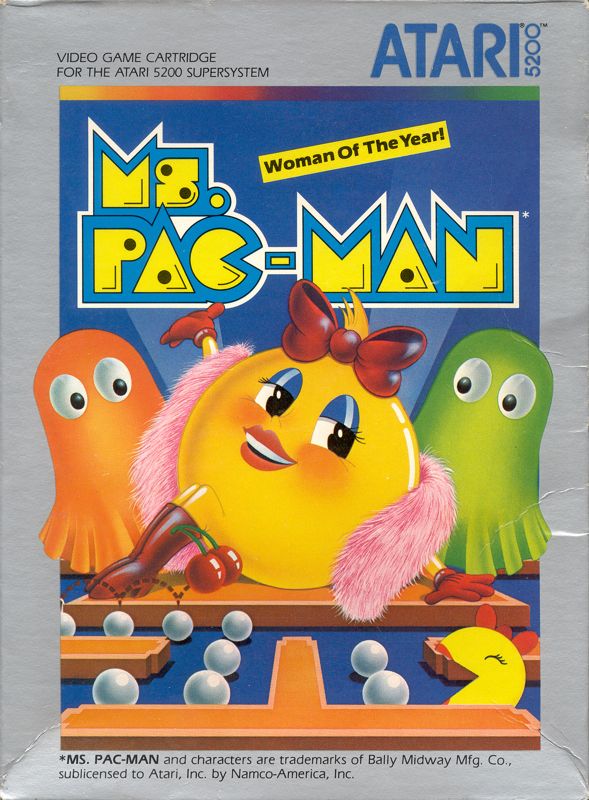
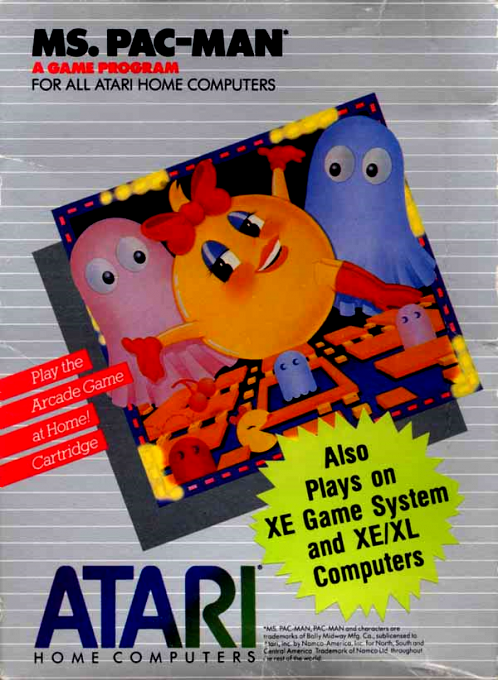
Ms. Pac-Man (1983) were published for systems including the Atari 5200, the Atari 8-bit family, the Commodore 64, and the TI-99/4A. These releases preserved the core gameplay of navigating mazes while eating dots and avoiding ghosts, but tailored the audiovisual presentation to the specific hardware capabilities of each platform. Additionally, historical records associate the property with early iterations and legacy listings dating from
Ms. Pac-Man (1978) and
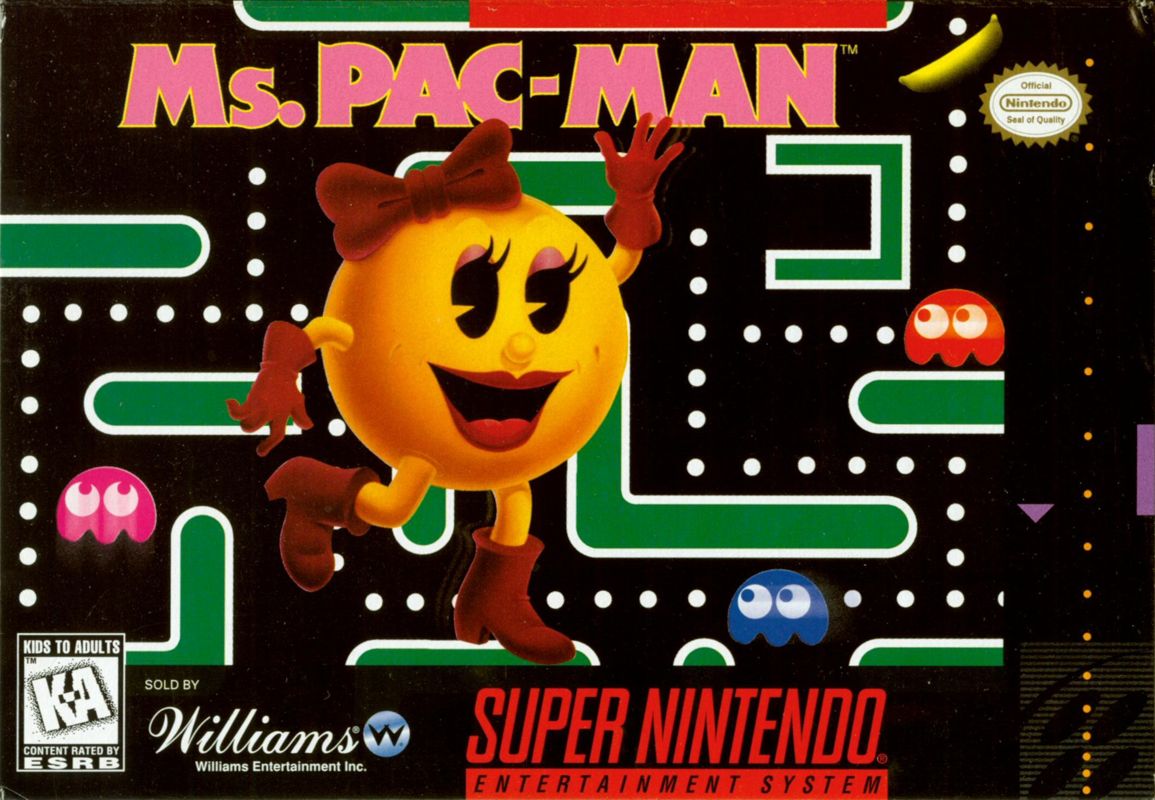
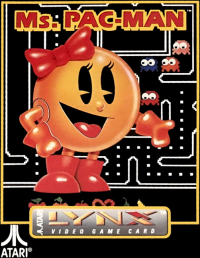
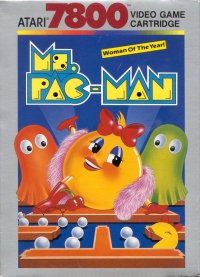
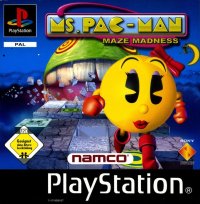
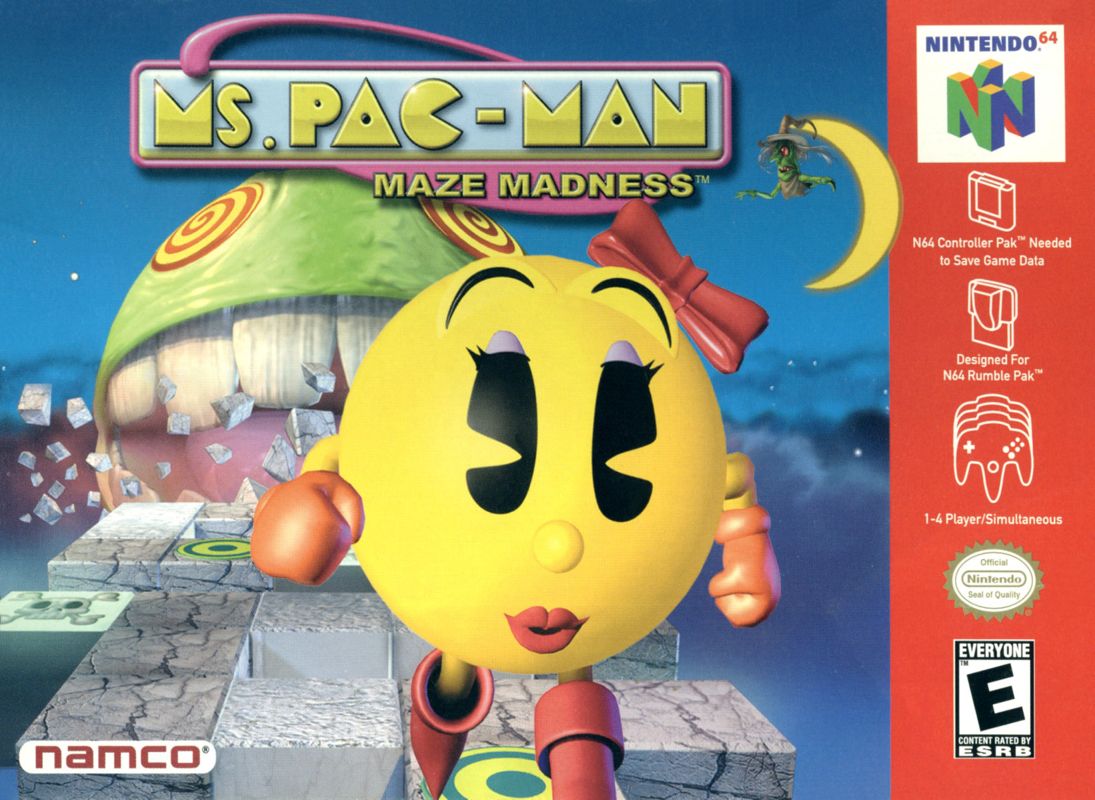
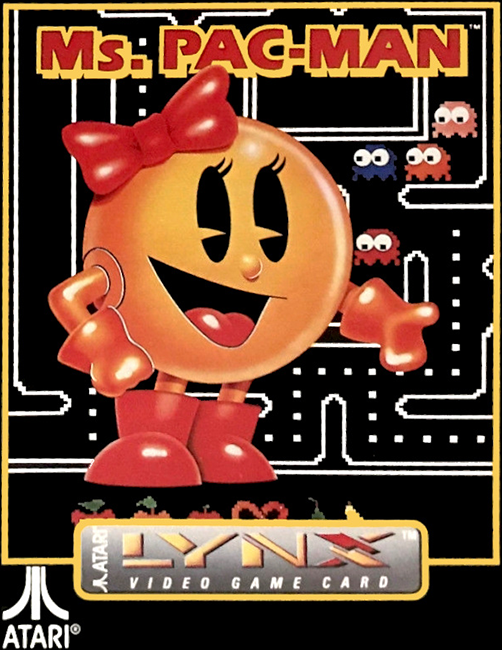
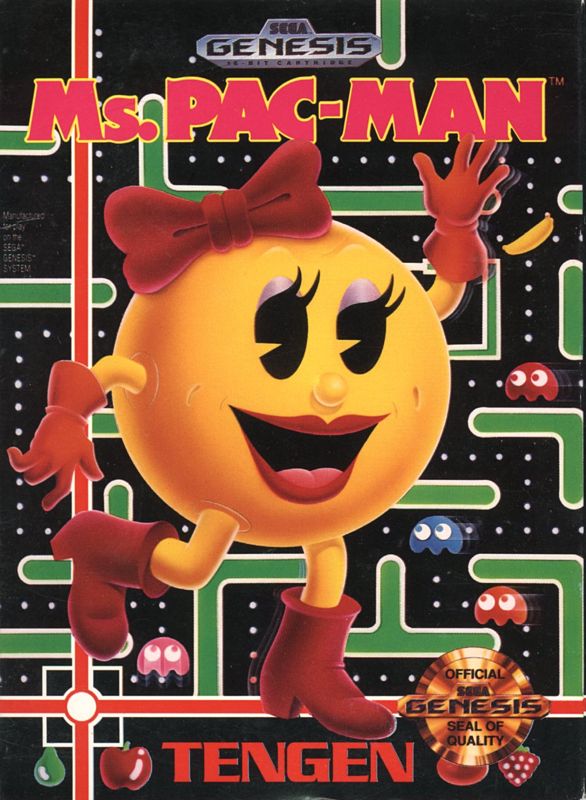
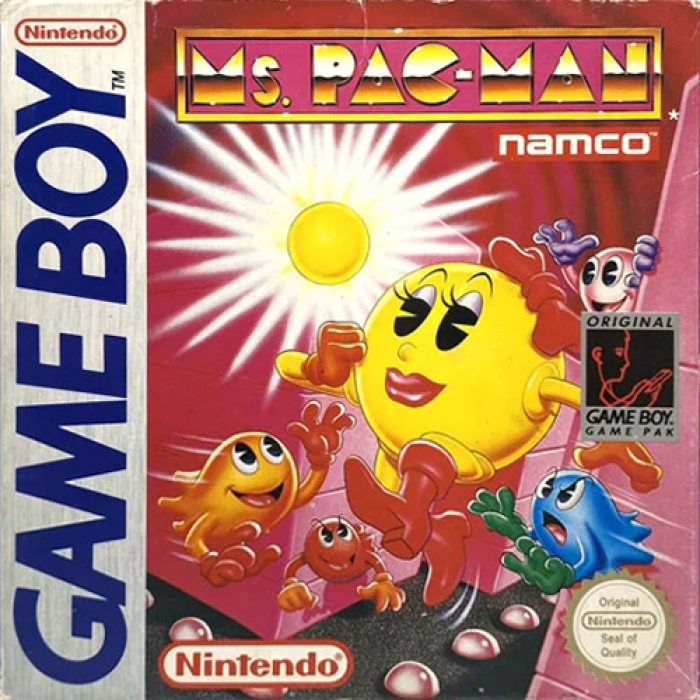
Ms. Pac-Man (1980). The game's protagonist, distinguished by her hair bow and lipstick, became an early icon of female representation in video games, paving the way for future spin-offs and sequels within the broader Namco ecosystem.
 (En,Fr,De,Es,It).png)












.png)


.png)




_1.png)


 (En,Fr,De,Es,It).png)

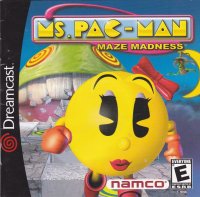

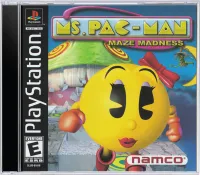



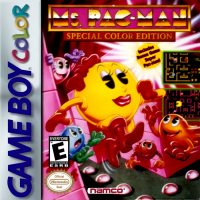
.png)
.png)
_1.png)