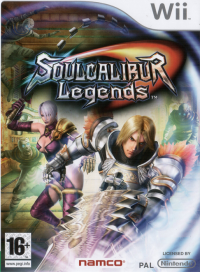
The series began with the 1995 arcade game Soul Edge, which was followed by Soulcalibur in 1998. It is characterized by its weapon-based combat and the '8-Way Run' movement system. The franchise is known for featuring guest characters from various other video game and media properties.
Developed by Bandai Namco's Project Soul division, the franchise centers its narrative on the historical fantasy conflict between the spirit sword, Soul Calibur, and the cursed blade, Soul Edge. The home console port of
Soul Calibur (1999) for the Sega Dreamcast achieved landmark critical success, often cited as one of the greatest video games ever made. This release was accompanied by promotional media, including a
Soul Calibur [Sample Disc] (1999), and comprehensive strategy guides published by Prima.
The franchise solidified its mainstream appeal with
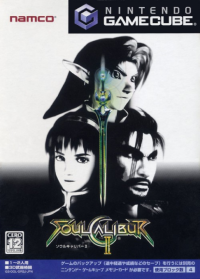
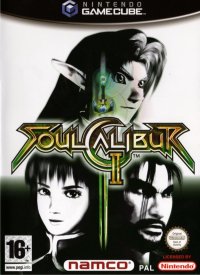
Soul Calibur II (2003), which launched across major sixth-generation consoles. This release generated significant merchandise and documentation, including the
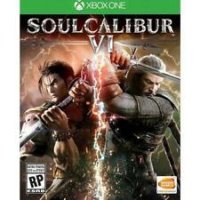
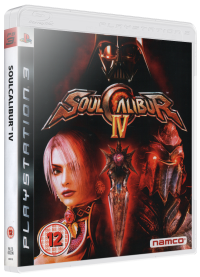
Soul Calibur II [BradyGames] strategy guide. Subsequent entries expanded the gameplay mechanics to include extensive character creation systems and online multiplayer. The release of
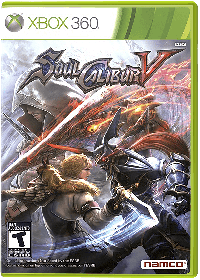
Soul Calibur V further demonstrated the series' longevity, supported by premium publications such as the
Soul Calibur V [Collector's Edition Future Press] guide. Over its lifespan, the series has sold millions of copies globally, earning acclaim for its orchestral scores, cinematic presentation, and fluid tactical gameplay.
_1.png)
.png)
.png)
.png)
(En,Fr,De,Es).png)





_1.png)




 (En,Ja,Fr,De,Es,It).png)
.png)

_1.png)
.png)

(En,Fr,De,Es).png)

_1.png)
.png)