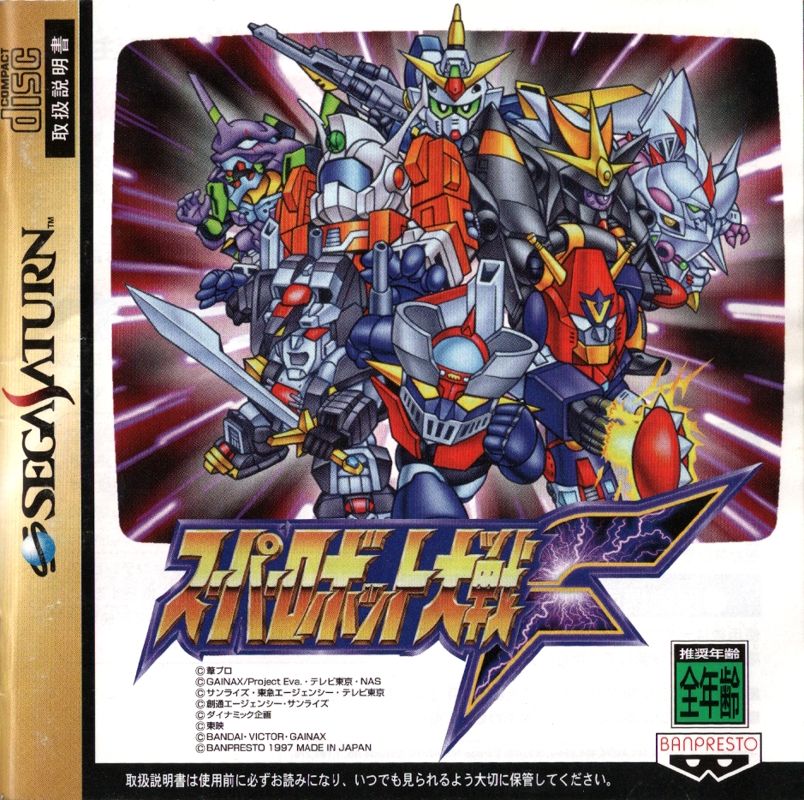
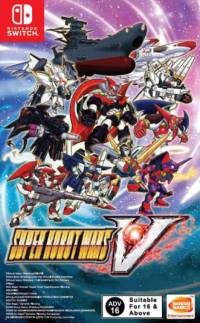
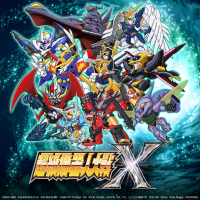
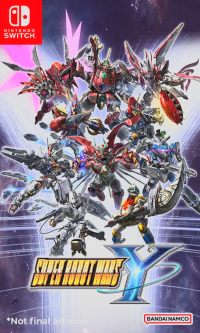
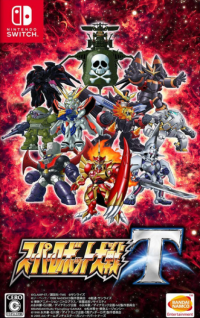
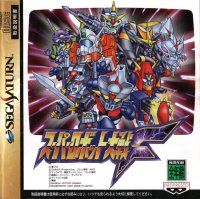
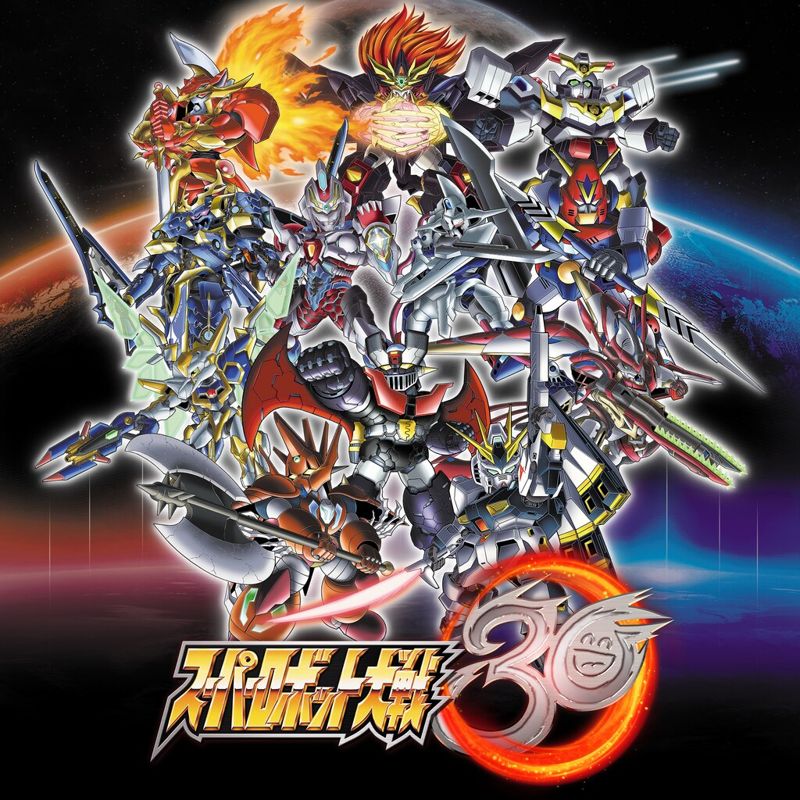
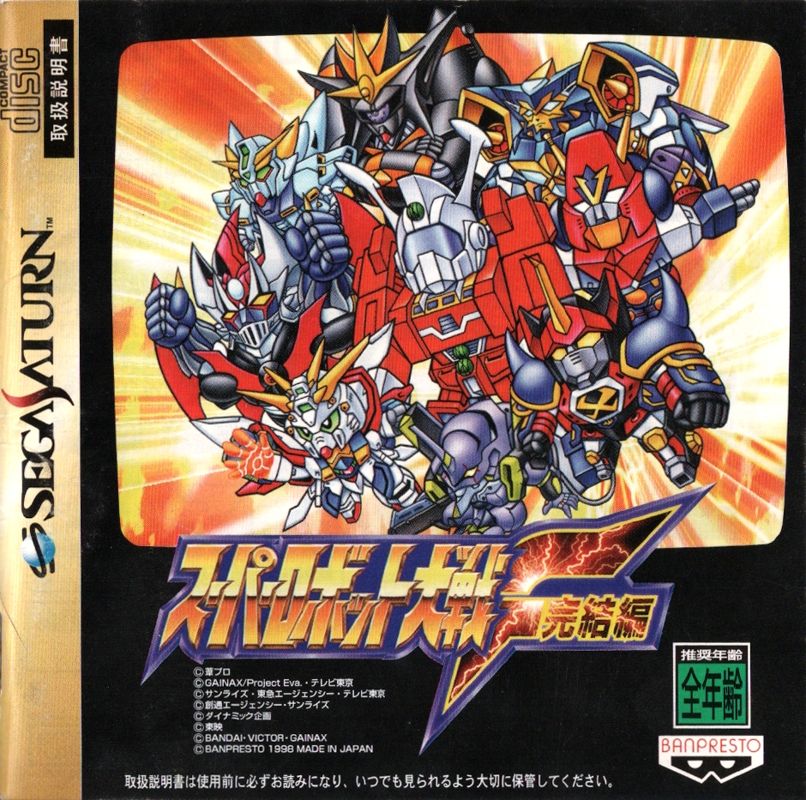
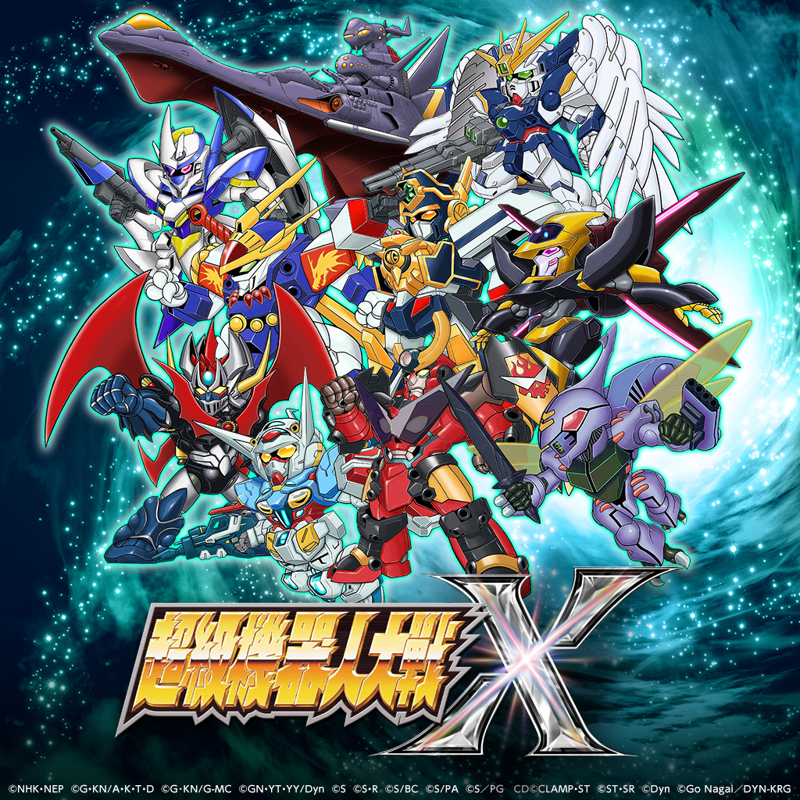
Super Robot Wars is a long-running tactical role-playing game franchise. The series is represented by diverse releases including Super Robot Wars 2 and Super Robot Wars 3 (which saw updated releases in 1999), the Nintendo 64 entry Super Robot Wars 64, handheld titles like Super Robot Wars D, and major console releases such as Super Robot Wars MX, Super Robot Wars: Original Generations, and Super Robot Wars V.
Originating as a crossover project by Banpresto, the franchise secures licensing from numerous anime studios to unite iconic mecha properties in grid-based tactical battles. Players command units on isometric maps, transitioning to dynamic, animated battle screens during combat.
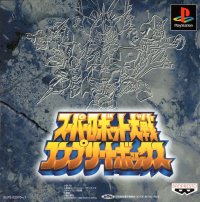
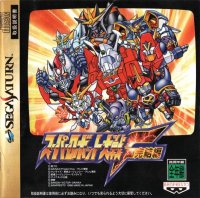
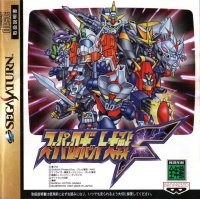
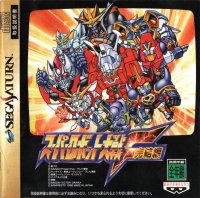
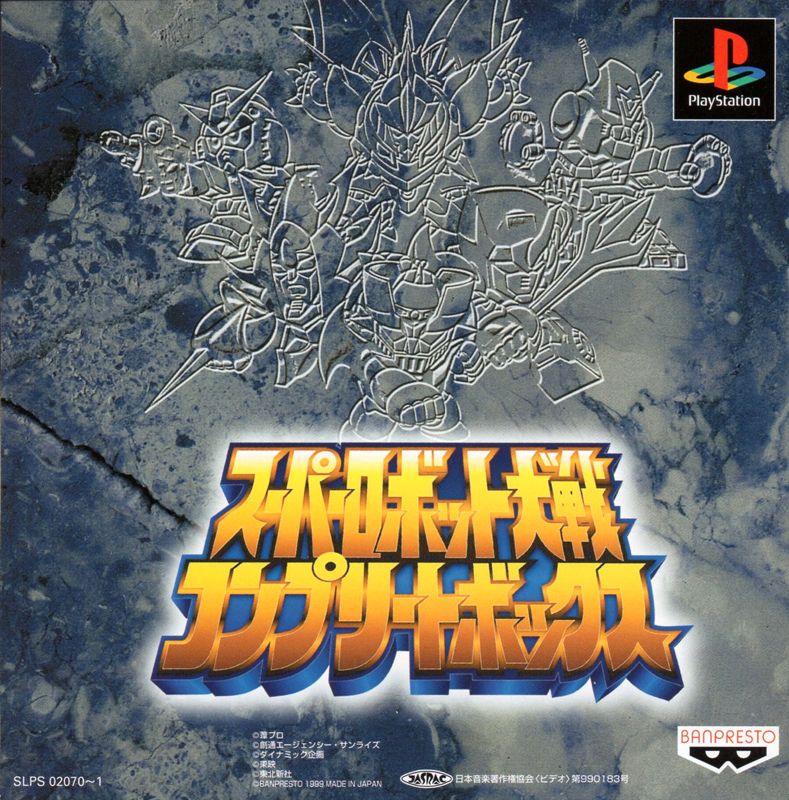
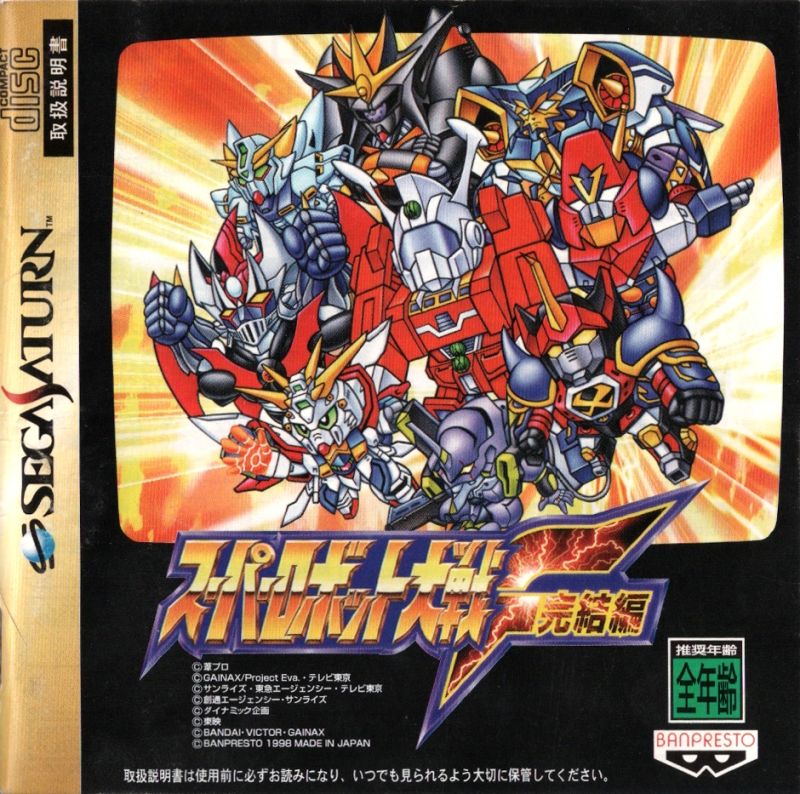
The late 1990s saw significant refinement of these systems. The 1999 PlayStation re-releases of
Super Robot Wars 2 and
Super Robot Wars 3 updated the foundational Famicom and Super Famicom mechanics for a new generation. Concurrently,
Super Robot Wars 64 leveraged the Nintendo 64 Transfer Pak to connect with handheld entries. Handheld development continued to flourish with
Super Robot Wars D on the Game Boy Advance, which introduced unique post-apocalyptic narrative branches.
On home consoles,
Super Robot Wars MX advanced the visual presentation with detailed 2D sprites and introduced the "Favorite System" to boost specific series.
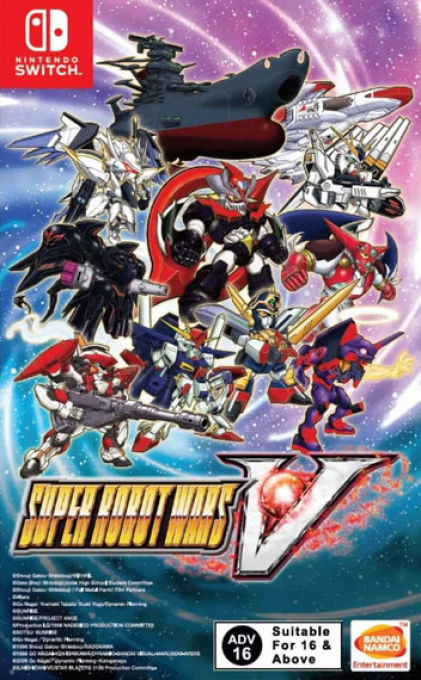
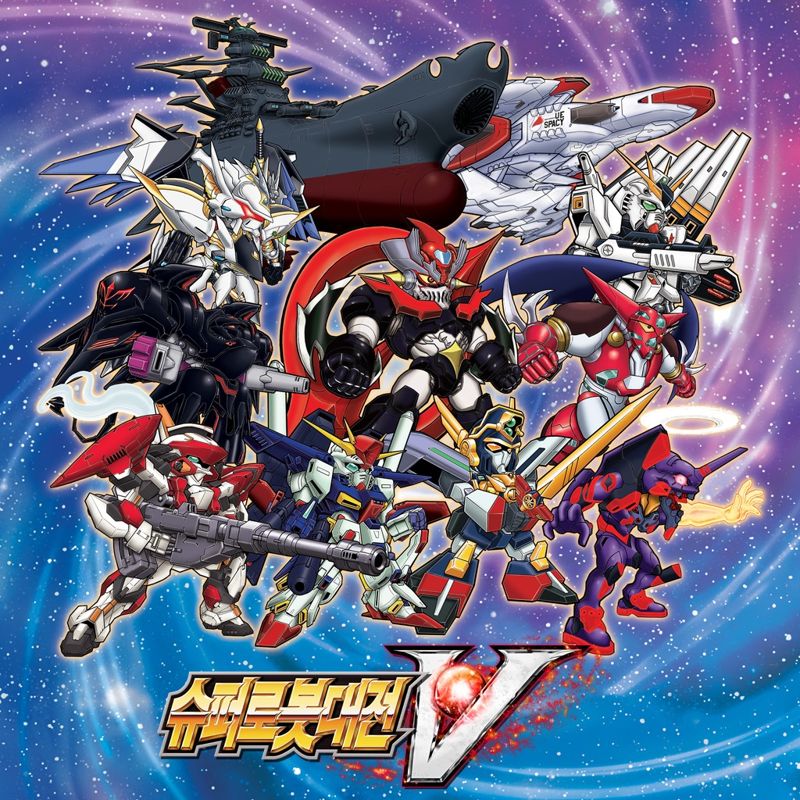
Super Robot Wars: Original Generations shifted focus away from licensed anime, instead compiling and remaking the franchise's own narrative universe of original characters. Decades of evolution culminated in
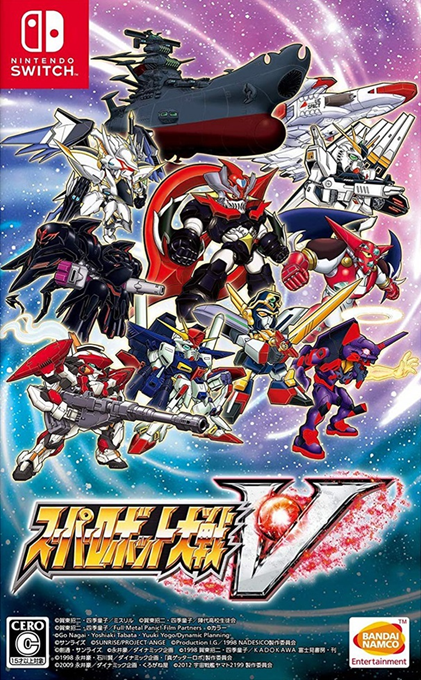
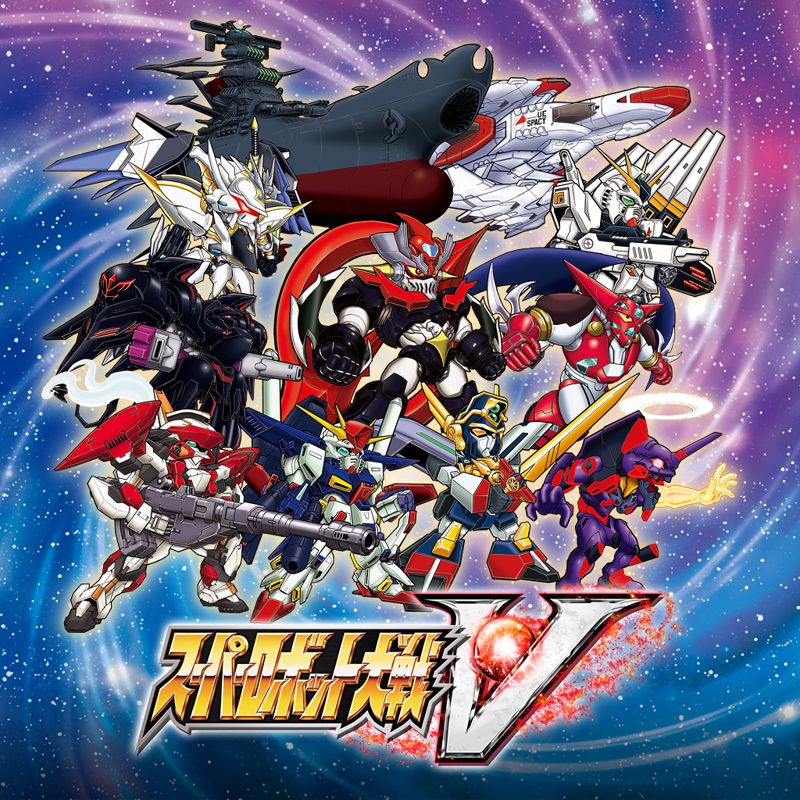
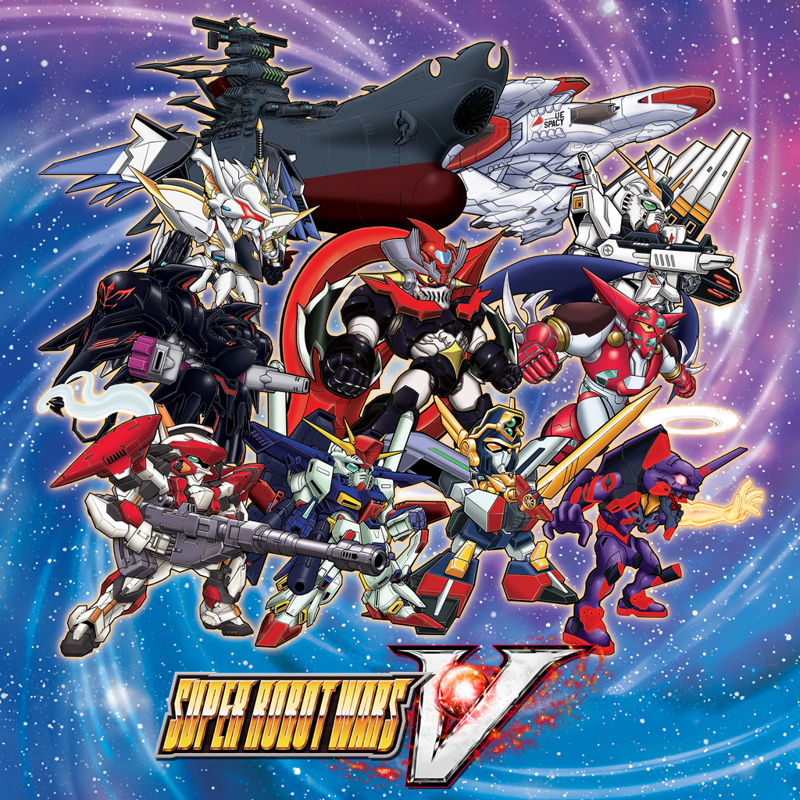
Super Robot Wars V, which marked a pivotal moment for international audiences by offering the first official English-language localization in Asian territories, broadening the global footprint of the crossover legacy.
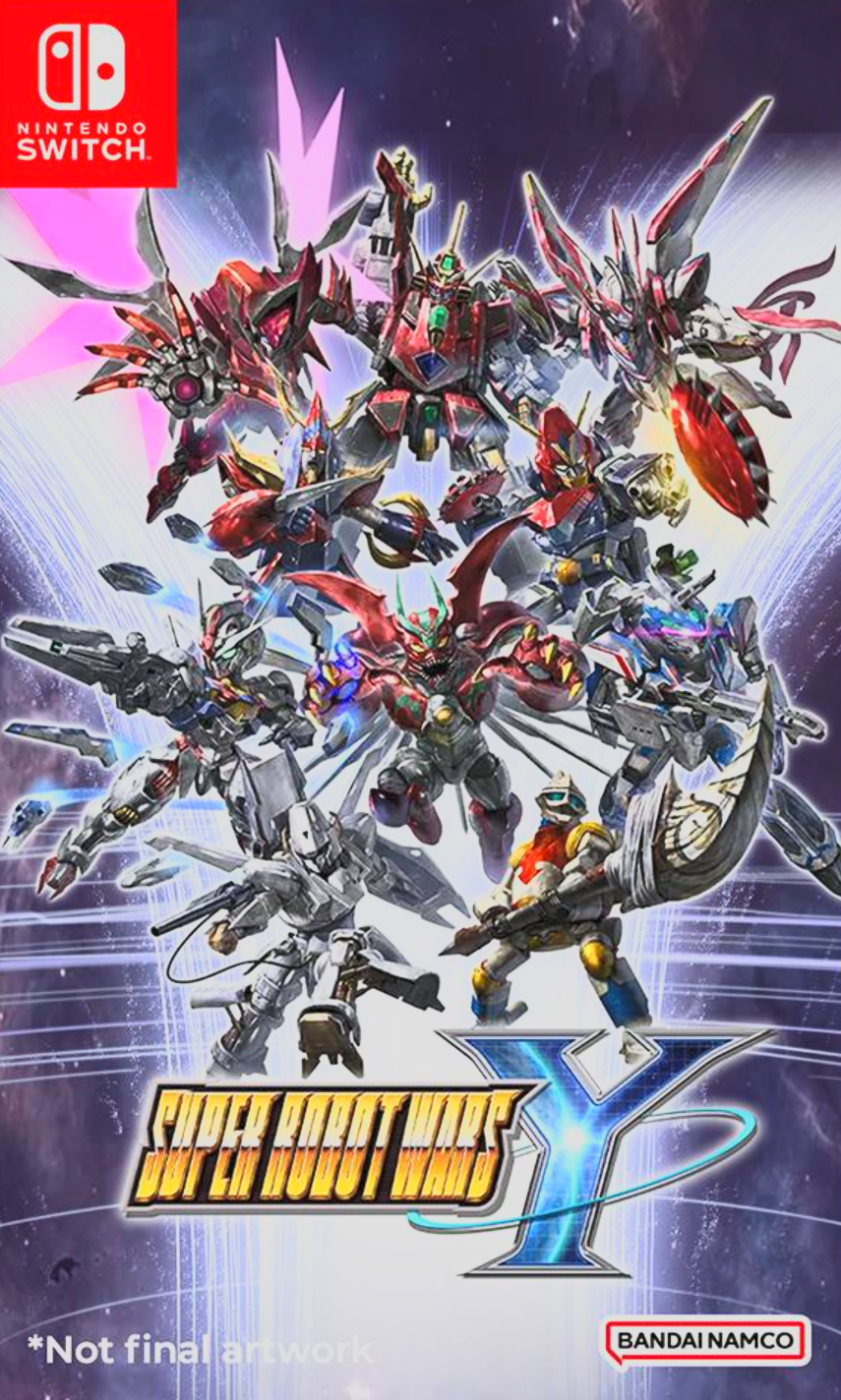
_1.png)
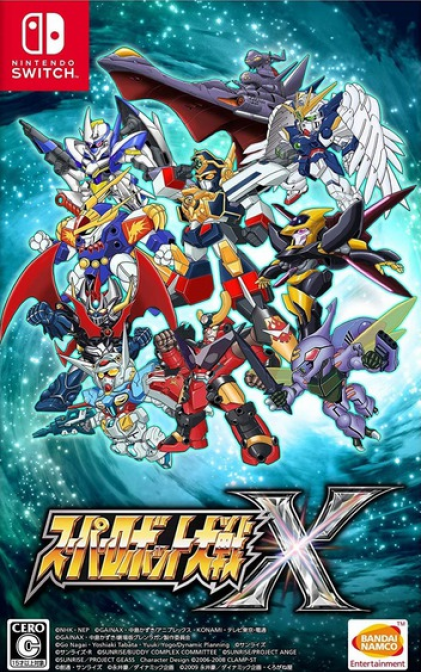
_1.png)
_1.png)
_1.png)
_1.png)
_1.png)
_1.png)
_1.png)
_1.png)
_1.png)
.png)
 (Translated En).png)
_1.png)








_1.png)

_1.png)
_1.png)

_1.png)

_1.png)
_1.png)



_1.png)

_1.png)
_1.png)

_1.png)

_1.png)
_1.png)
_1.png)
.png)

 (Translated En).png)
_1.png)
_1.png)
_1.png)

_1.jpg)


_1.png)
_1.png)
_1.jpg)
_1.png)
_1.png)