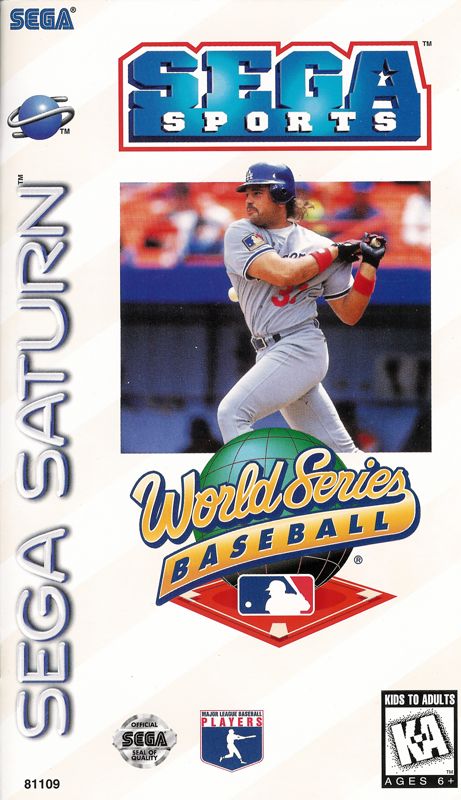
The World Series Baseball franchise began with Mattel's innovative 1982 Intellivision game, which introduced a 3D-style perspective. Sega later revived the name in 1993 for the Sega Genesis, leading to annual iterations including World Series Baseball 95. The series transitioned to 32-bit consoles with the release of World Series Baseball on the Sega Saturn in 1995.
The 1982 release of
World Series Baseball (1982) pioneered the integration of statistical depth, utilizing actual player percentages to determine outcomes. When Sega acquired the trademark,
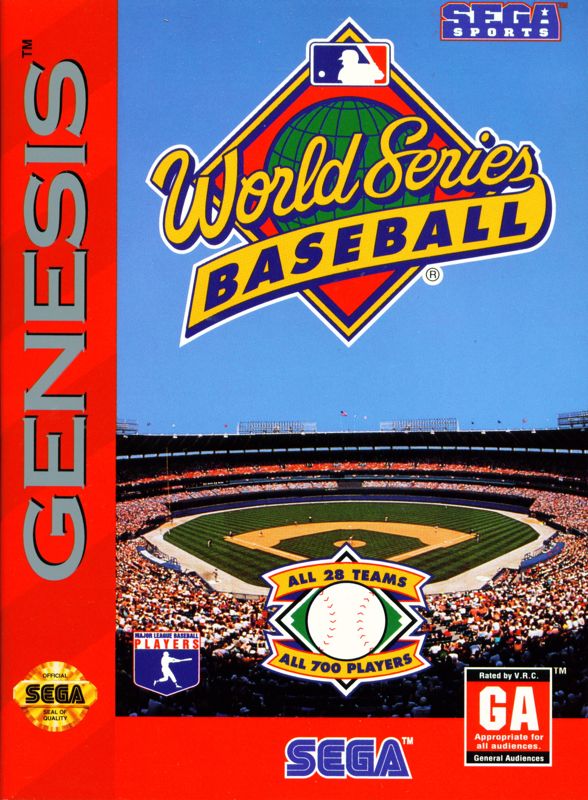
World Series Baseball (1993) capitalized on the Major League Baseball Players Association license, introducing real-life rosters to home consoles.
To capture the portable market, Sega released
World Series Baseball (1994) and
World Series Baseball 95 (1994) for the Game Gear, adapting the gameplay for a smaller screen. On home consoles,
World Series Baseball 95 (1995) arrived on the Sega Genesis, which also saw a late-run packaging variation known as
World Series Baseball 95 [Cardboard Box] (1995).
The franchise's technological evolution peaked in the mid-1990s. The lineup featured distinct versions of
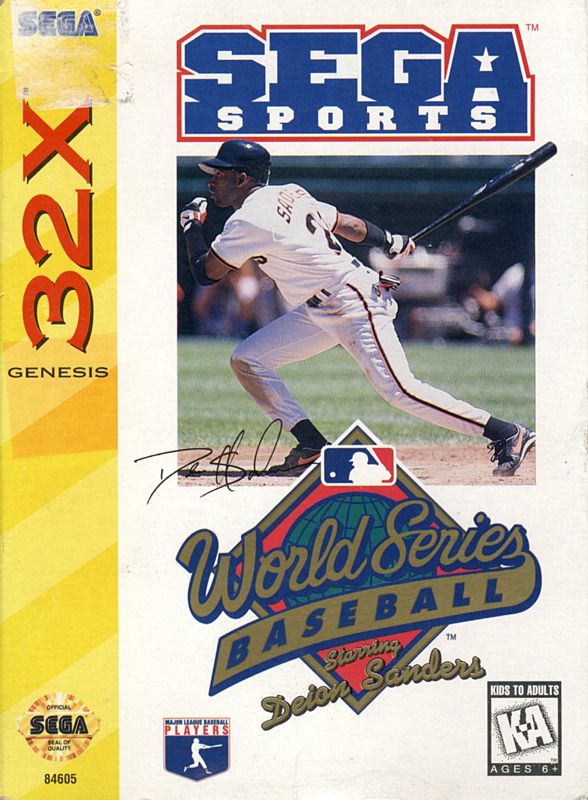
World Series Baseball (1995) and
World Series Baseball (1995) tailored for different hardware capabilities, including Sega CD, Game Gear, and Sega Saturn editions. These releases popularized the innovative batting reticle system, which allowed players to precisely aim their swings, establishing a mechanical standard for future sports simulations.

.png)
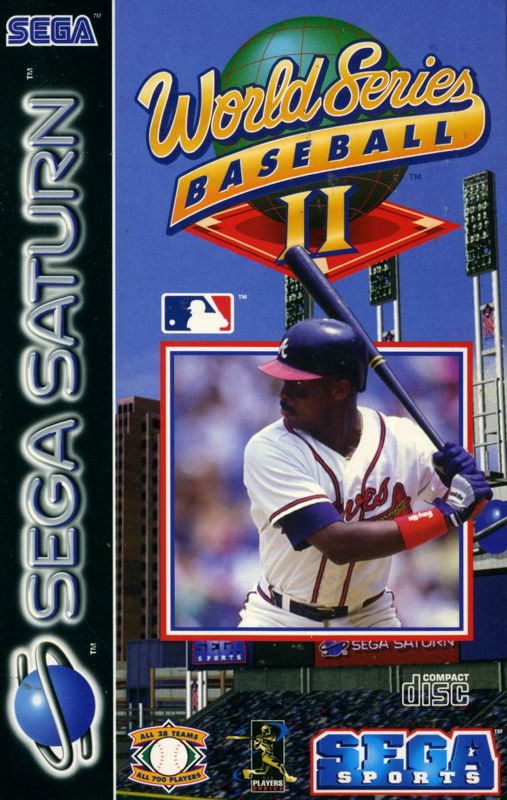
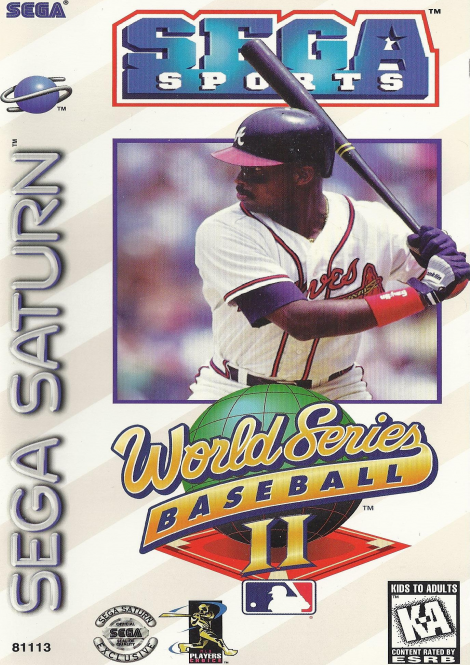
.png)
.png)









.png)
.png)
.png)

.png)

.png)
.png)
 (Rev 1).png)
.png)
 (Rev 1).png)
.png)
.png)