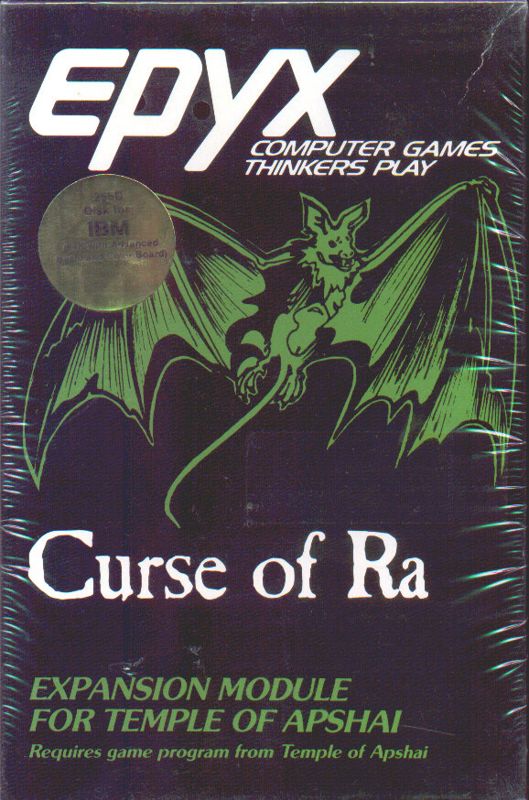
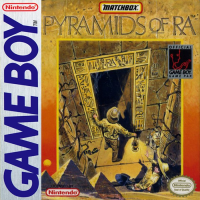
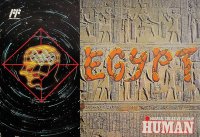
This setting serves as the backdrop for early retro games, ranging from action-adventure titles like Riddle of the Sphinx (1982) and Curse of Ra (1983) to shoot 'em ups like Desert Falcon (1987, 1988). It also appears as a conquerable territory or puzzle theme in Centurion: Defender of Rome (1991), Egypt (1991), Wally wo Sagase (1993), and Pyramids of Ra (1993). The setting is characterized by iconic pyramids, deserts, obelisks, and mythological figures.
The representation of this historical milieu in early interactive media laid the thematic groundwork for major modern intellectual properties, specifically anchoring the historical worldbuilding seen in
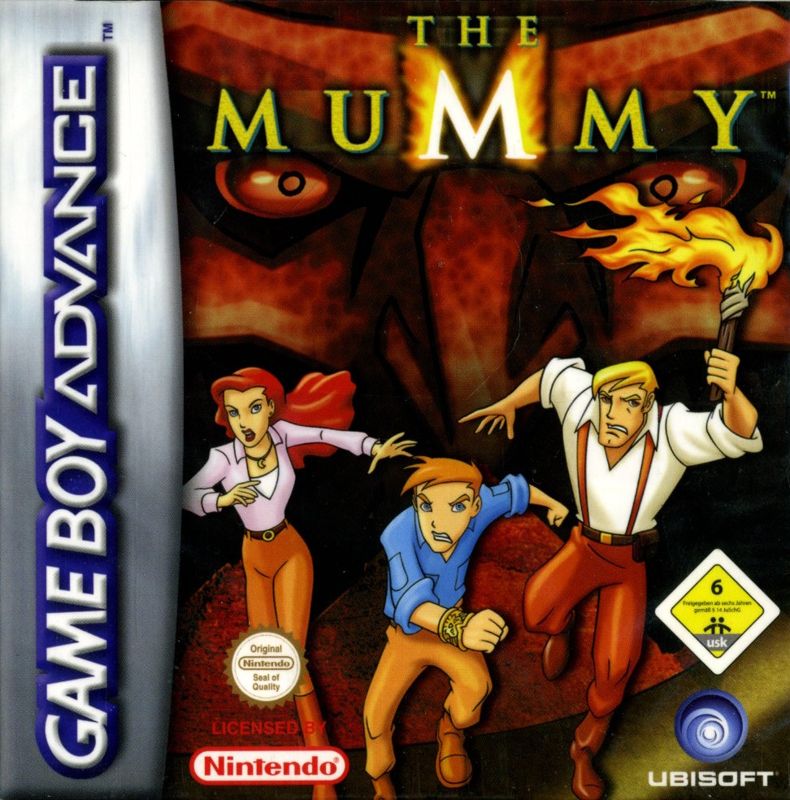
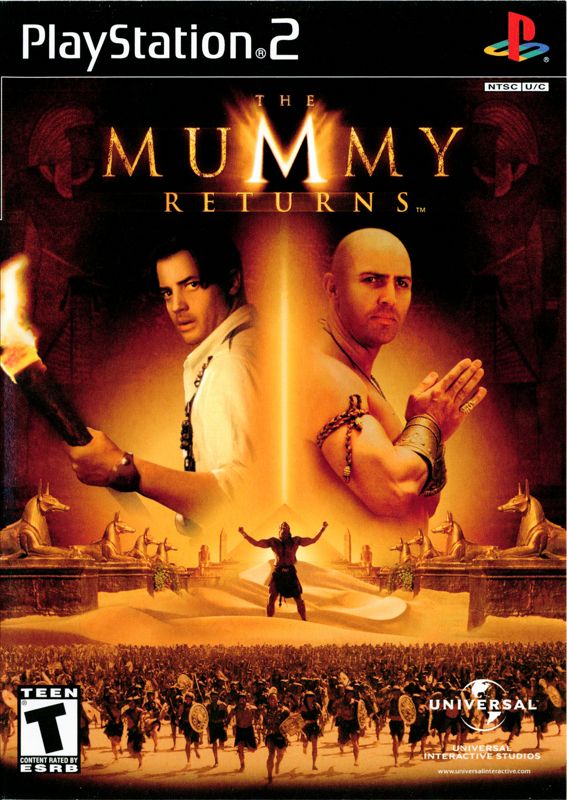
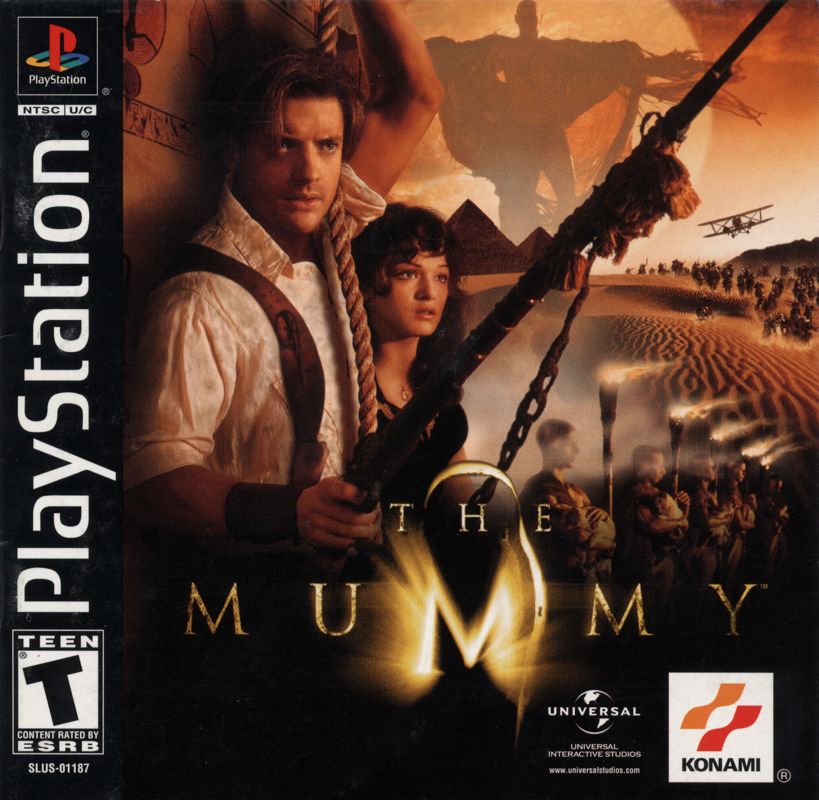
The Mummy and
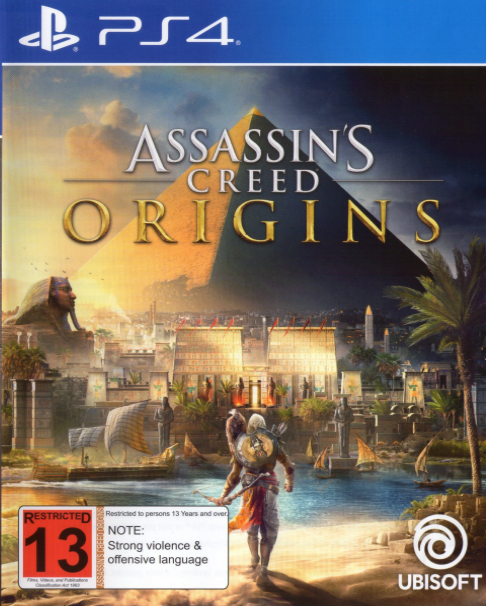
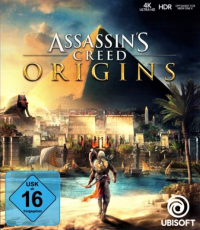
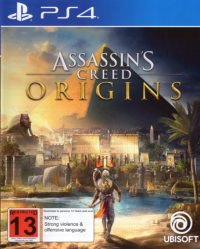
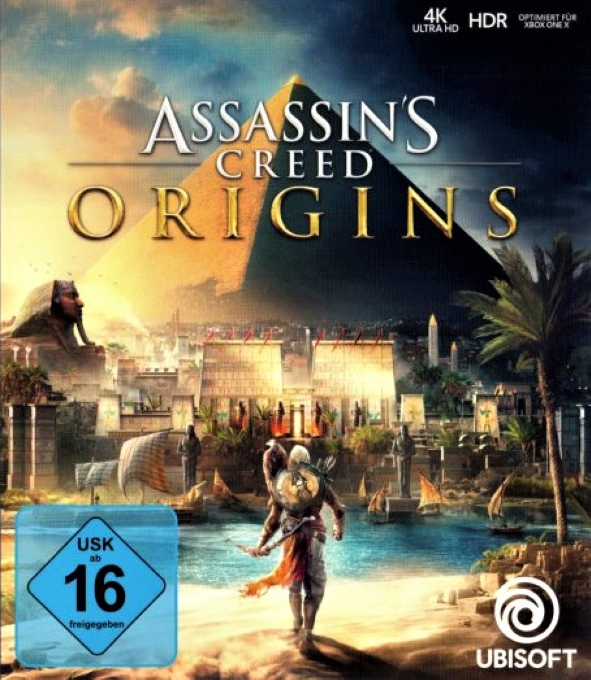
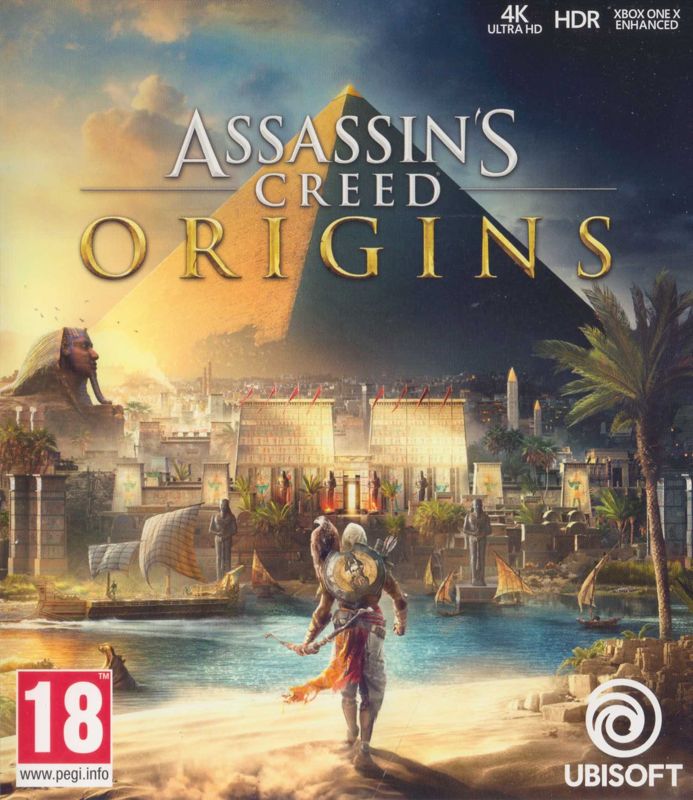
Assassin's Creed franchises. Early software developers utilized limited hardware to render the Nile basin, establishing aesthetic conventions that these larger franchises later digitized with high-fidelity realism.
In
Riddle of the Sphinx (1982) and
Curse of Ra (1983), players navigated rudimentary labyrinthine structures, establishing the tomb-exploration tropes that would define
The Mummy games. The aerial perspective of
Desert Falcon (1987) and its 1988 port introduced scrolling combat mechanics, while
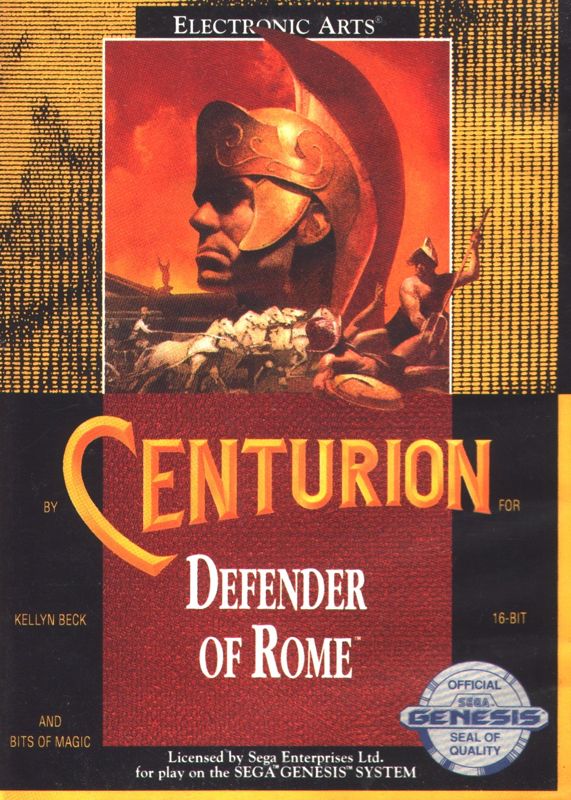
Centurion: Defender of Rome (1991) integrated the region into grand strategy systems, prefiguring the geopolitical conflicts later explored in
Assassin's Creed. Puzzle-oriented titles like
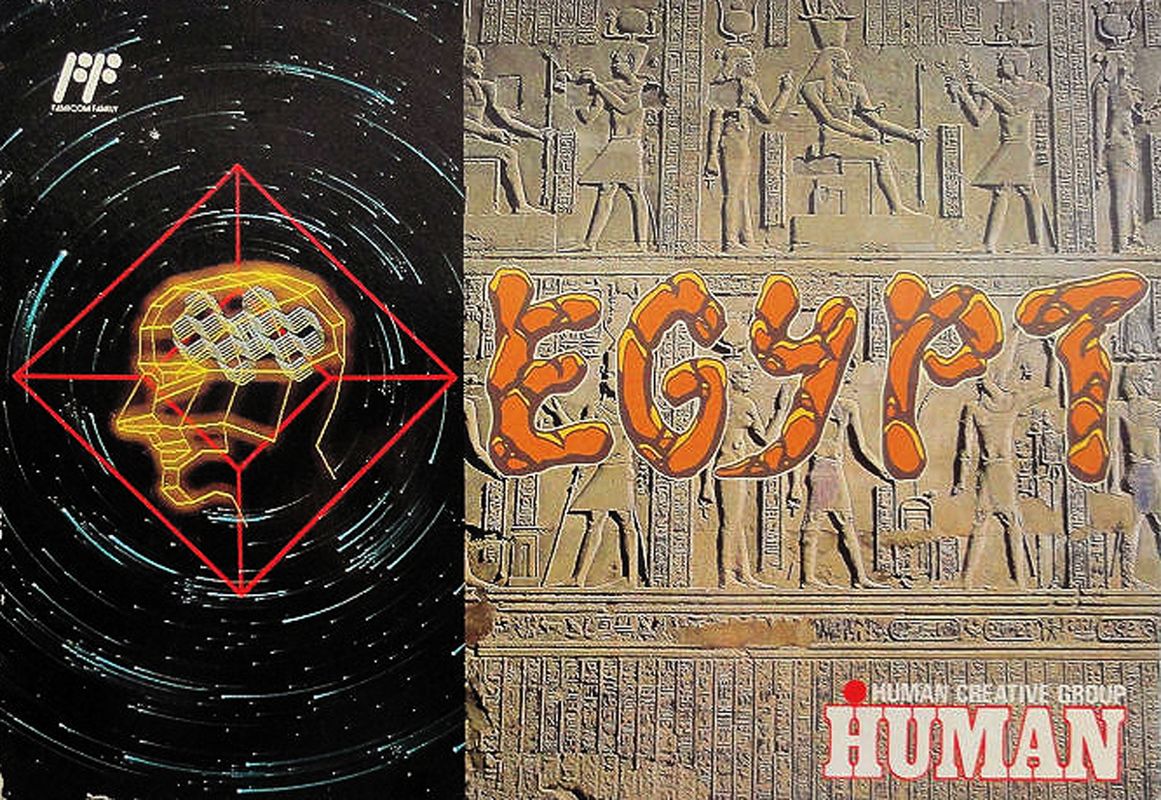
Egypt (1991),
Wally wo Sagase (1993), and
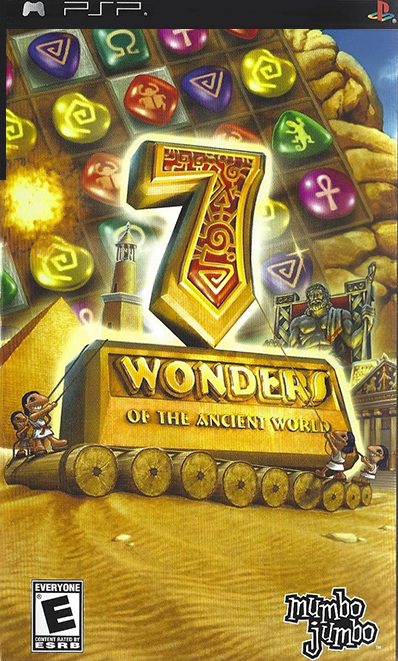
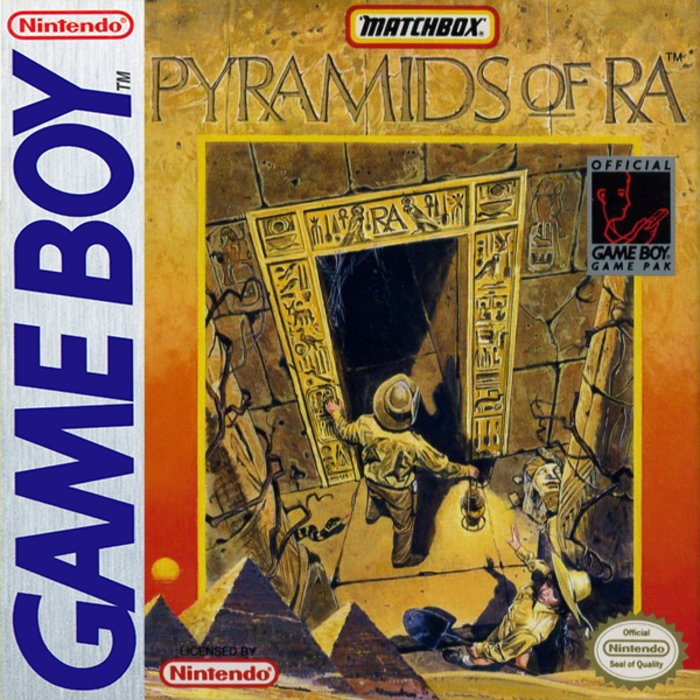
Pyramids of Ra (1993) further popularized the region's hieroglyphic motifs. Together, these early releases established the architectural and mythological vocabulary that allowed later franchise entries to transition from abstract pixel art to expansive, open-world historical recreations.
.png)
.png)

 (En,Ja,Fr,De).png)

.png)
.png)




.png)




 (En,Ja,Fr,De).png)











.png)

.png)

.png)
.png)



.png)