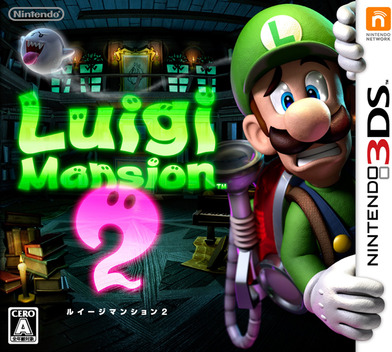
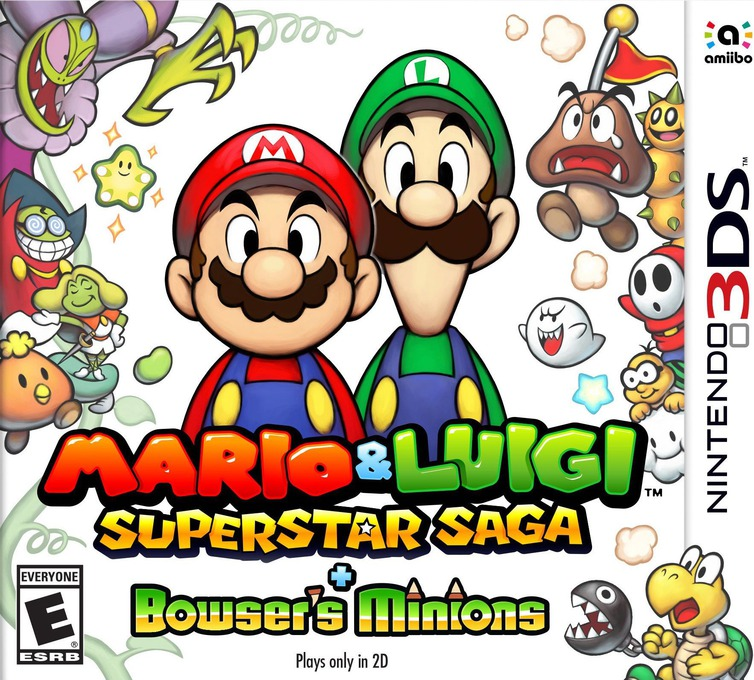
Luigi first appeared in the 1983 arcade game Mario Bros. as a palette swap of his brother Mario. Over time, he developed his own distinct personality, high-jumping abilities, and starred in his own spin-off series starting with Luigi's Mansion.
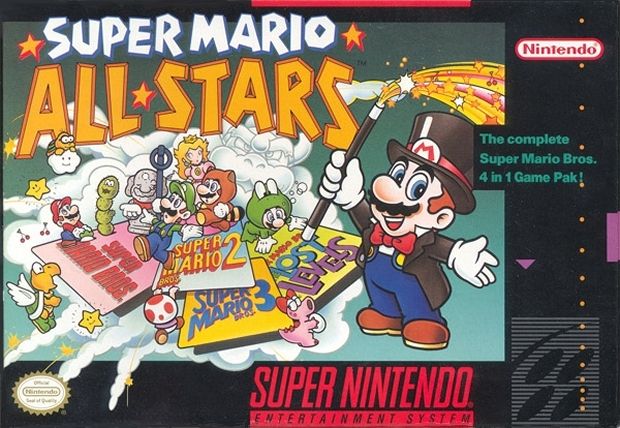
Throughout the 1990s, the character's presence expanded across diverse genres. He featured prominently in upgraded compilations and re-releases, such as
Super Mario All-Stars (1993) and
Super Mario Bros Deluxe (1999), which introduced his gameplay mechanics to new generations of hardware. Beyond traditional platforming, he became a staple of Nintendo's multiplayer sports franchises, appearing as a playable competitor in titles like
Mario Golf (1999) and
Mario Tennis (2001).
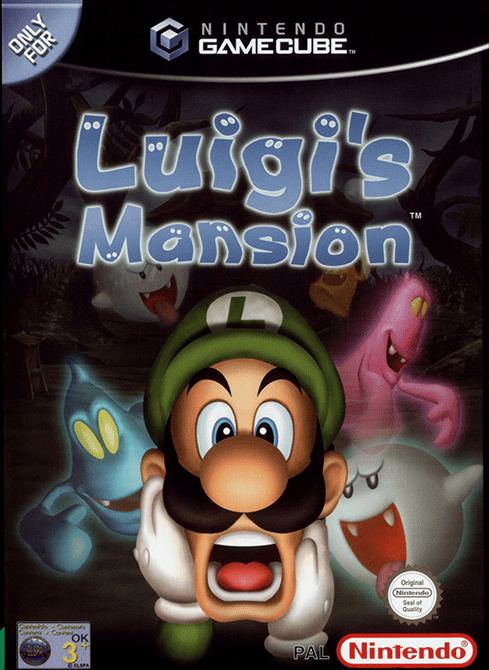
The year 2001 marked a major milestone for the character with the launch of the Nintendo GameCube. He took center stage in
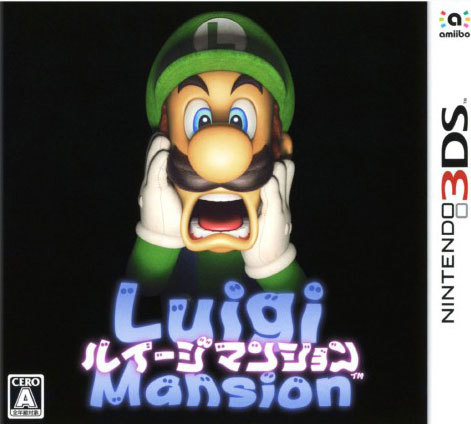
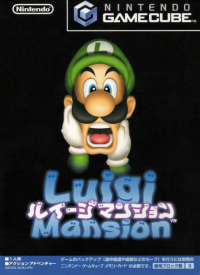
Luigi's Mansion (2001), also cataloged as
Luigi Mansion (2001) and later reissued under the
Luigi's Mansion [Player's Choice] (2001) label. This title established his recurring role as a reluctant, ghost-hunting protagonist. In commercial databases and retail listings from this period, his release history is frequently grouped alongside other major blockbusters of the era, such as
Grand Theft Auto III (2001), reflecting his prominent footprint in the early 2000s interactive entertainment market.
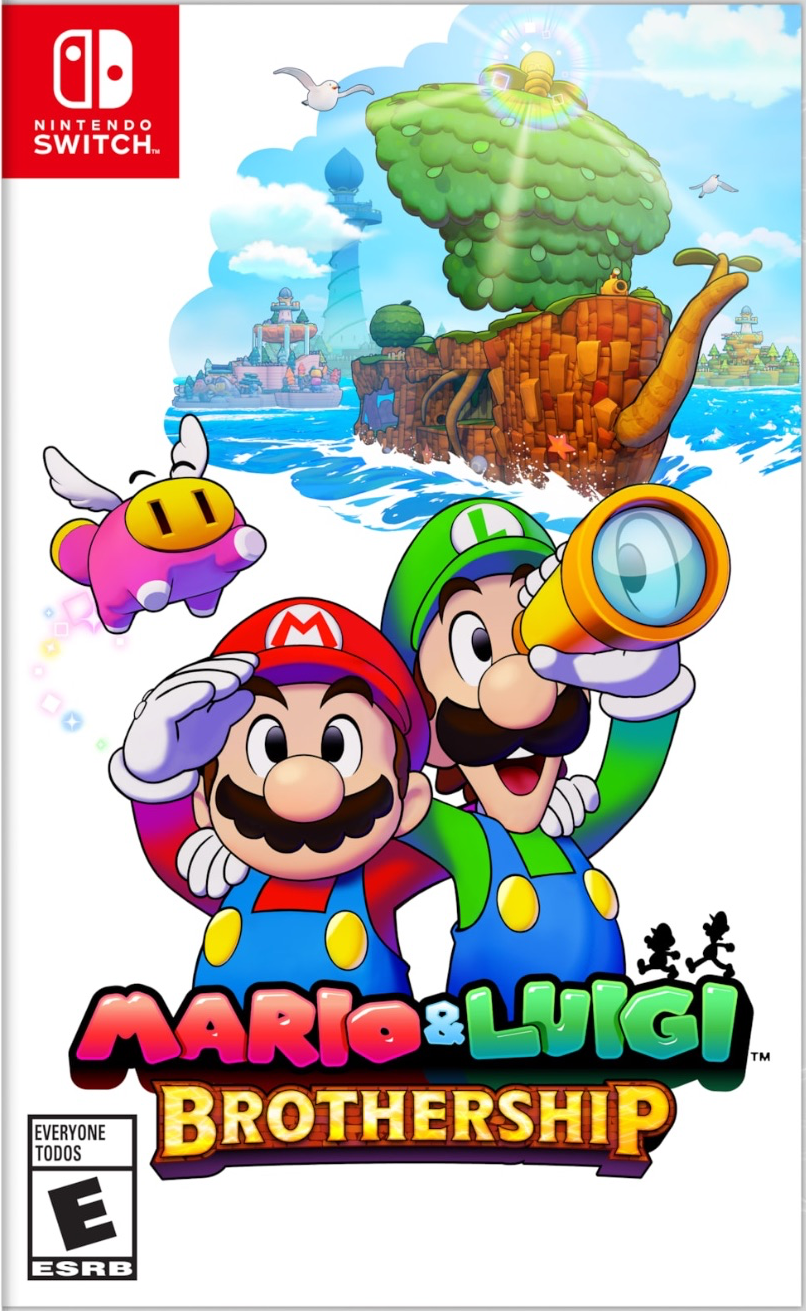
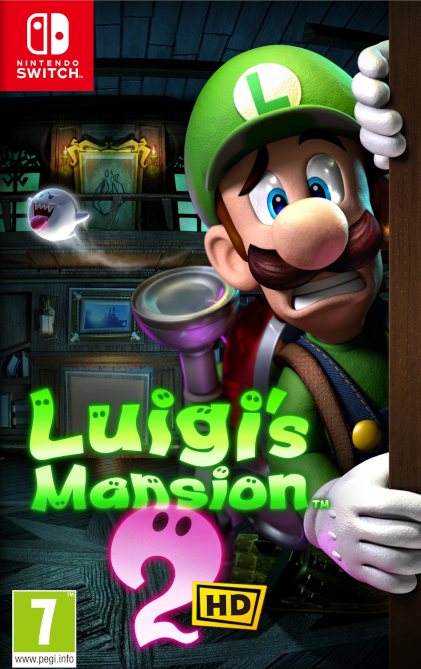
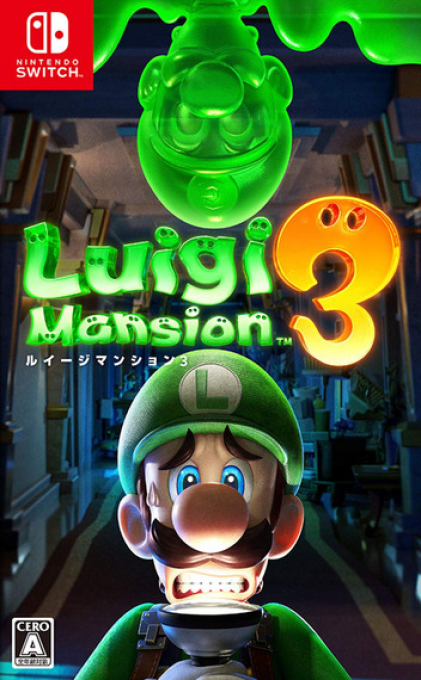

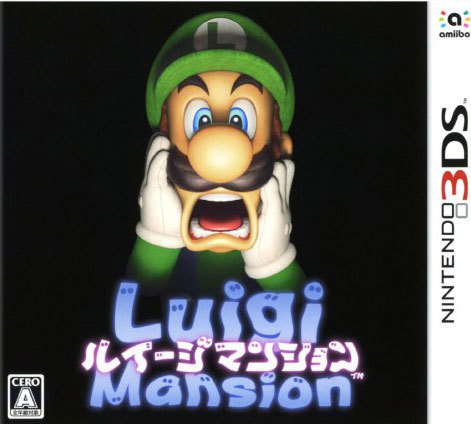
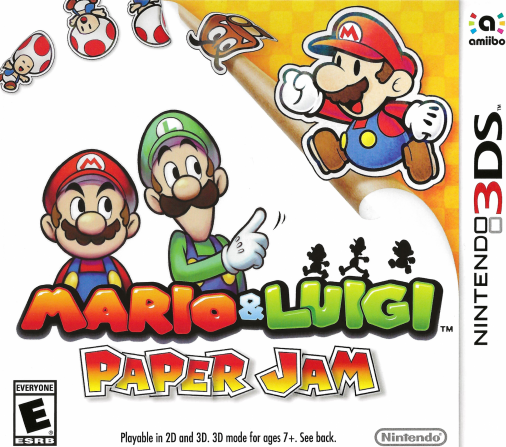
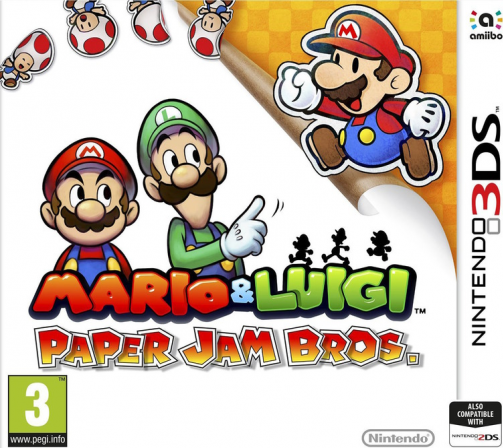
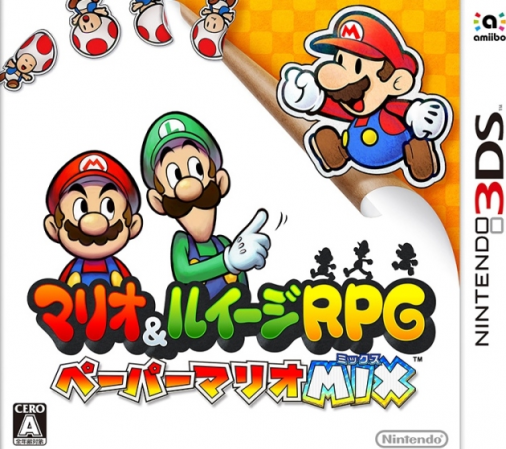

_1.png)
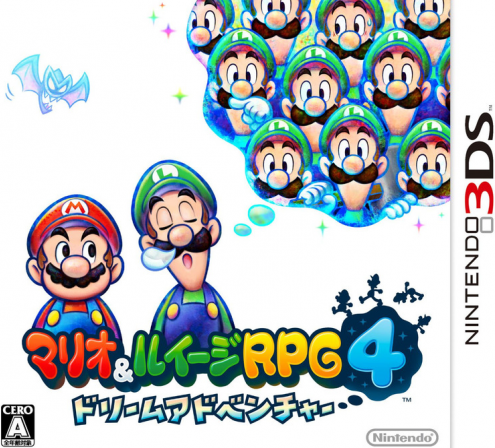
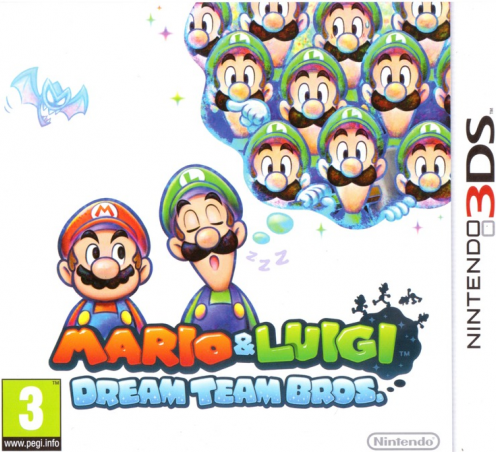
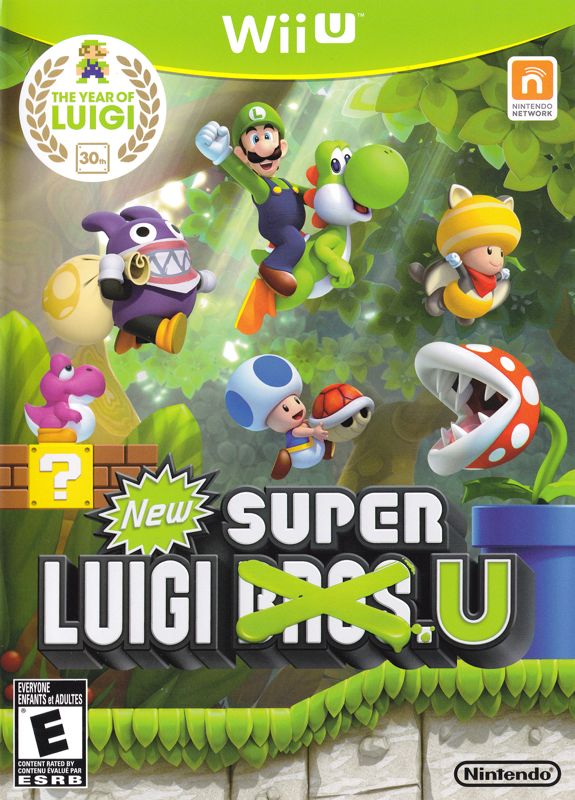

 (En,Fr,De,Es,It).png)






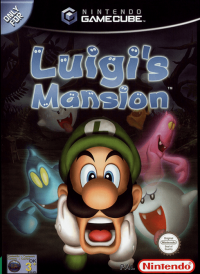



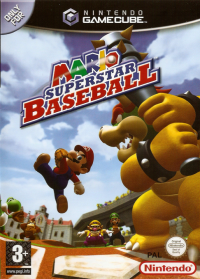

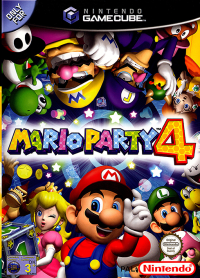


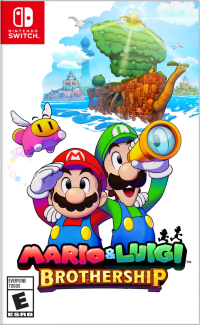

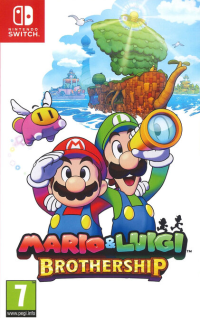


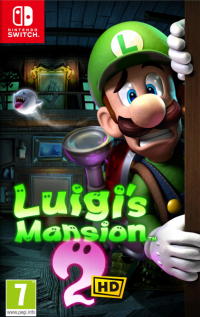
_1.png)
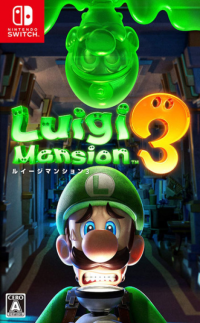


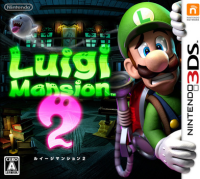


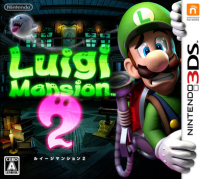
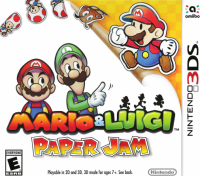


_1.png)


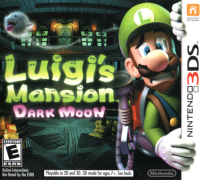


_1.png)


_1.png)




 (En,Fr,De,Es,It).png)
_1.png)
_1.png)