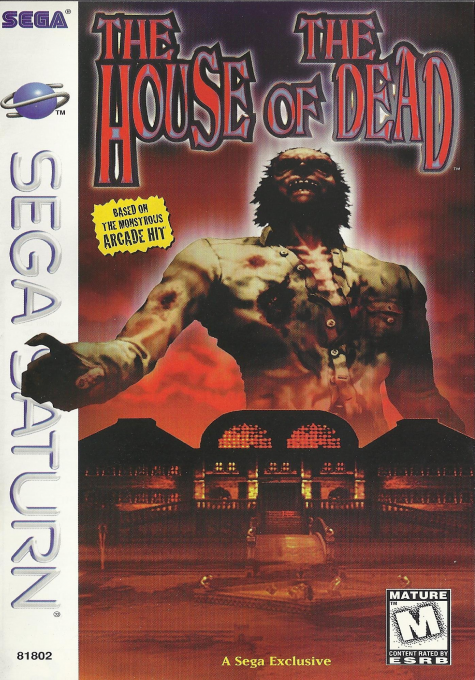
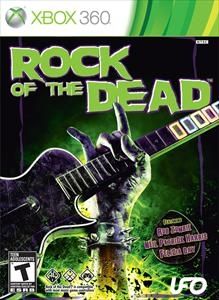
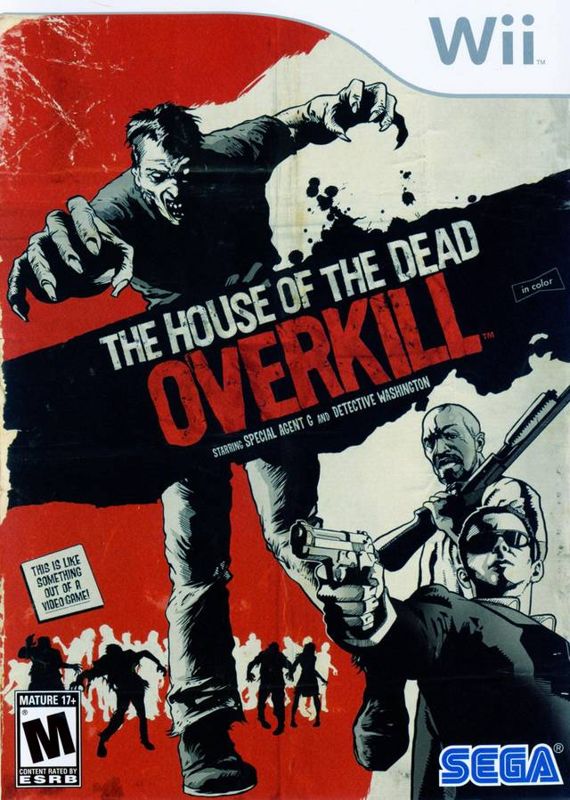
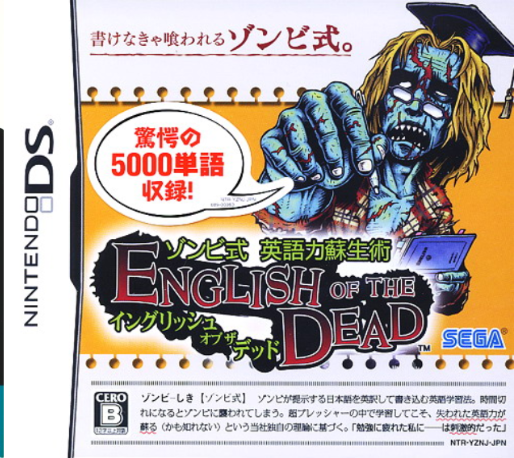
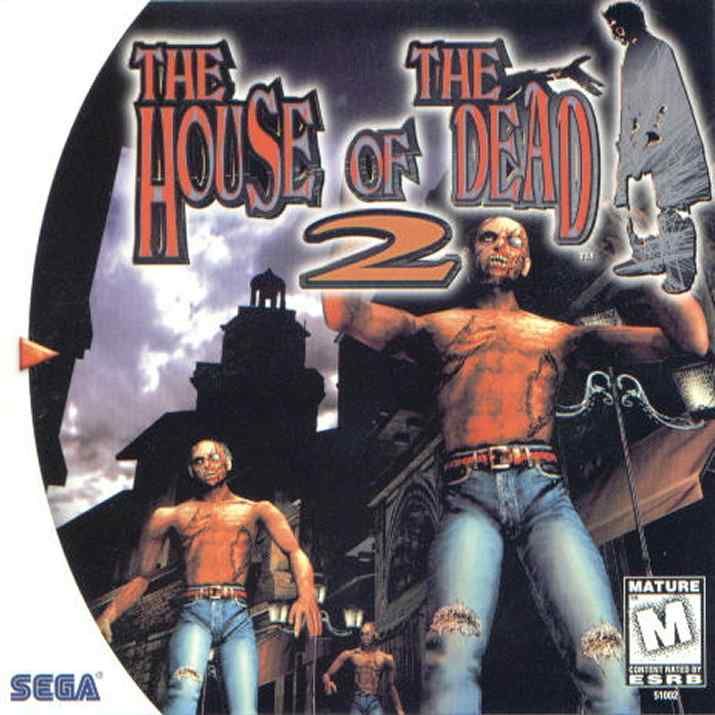
These reanimated or mutated creatures serve as the primary adversaries in retro horror titles. They are characterized by their aggressive behavior, varying states of decay, and vulnerability to firearms or specialized weaponry. In series like The House of the Dead, they are the result of biological experimentation.
The depiction of these entities evolved significantly across early gaming platforms. In the 1982 release
Book of the Dead, they appeared as primitive obstacles within a text-based adventure framework. By 1987, the Japanese action-RPG
Siryousensen: War Of The Dead and its 1989 sequel
War of the Dead integrated them into a cohesive survival horror narrative, requiring players to manage limited resources while navigating infested, open-world environments.
The concept achieved widespread mainstream prominence with Sega's
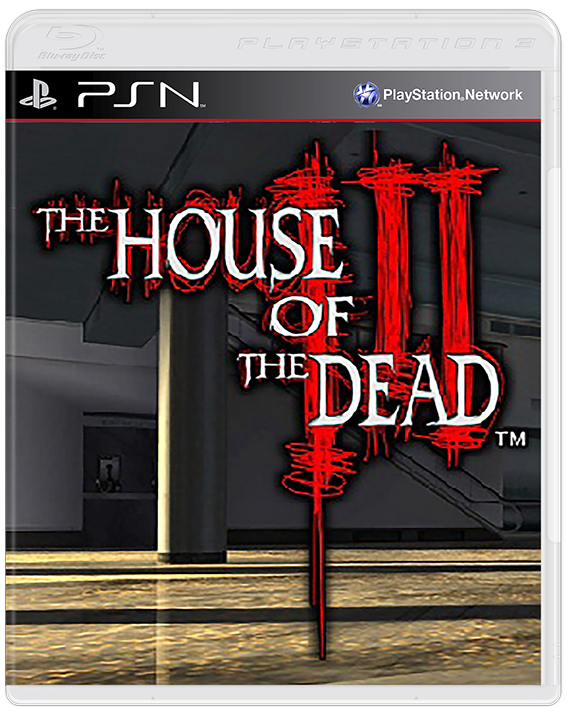
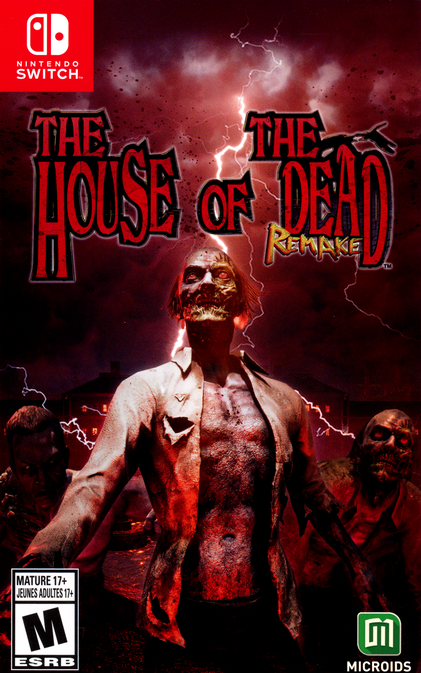
The House of the Dead (1998). This release, along with specialized packages like
The House of the Dead [Gun Bundle] and regional editions such as
The House of the Dead [Tec Toy], transitioned the adversaries into the rail-shooter genre. These iterations emphasized rapid-fire precision, featuring distinct weak points and branching paths based on how quickly players neutralized the oncoming threats. This arcade-centric approach influenced subsequent light-gun shooters and established a lasting legacy for the franchise.
_1.png)
_1.png)


_1.png)

_1.png)
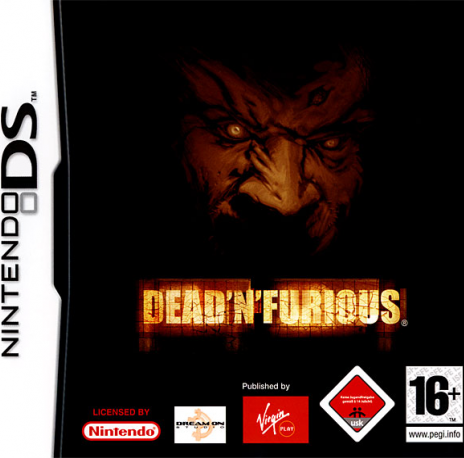
 (En,Fr,De,Es,It).jpg)
.png)
_1.png)



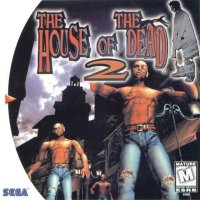
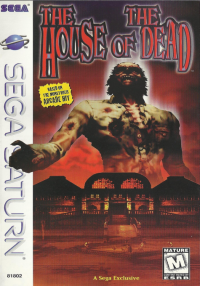




_1.png)
.png)

.png)
_1.png)


_1.png)
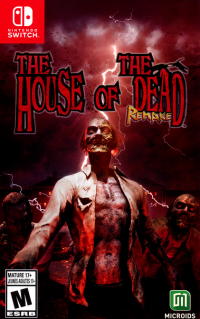


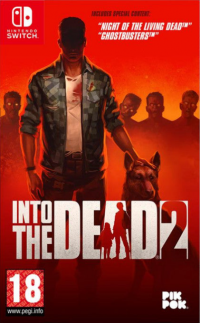
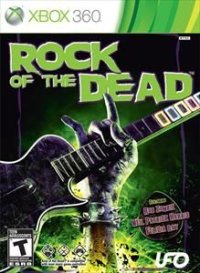


 (En,Fr,De,Es,It).jpg)

.png)

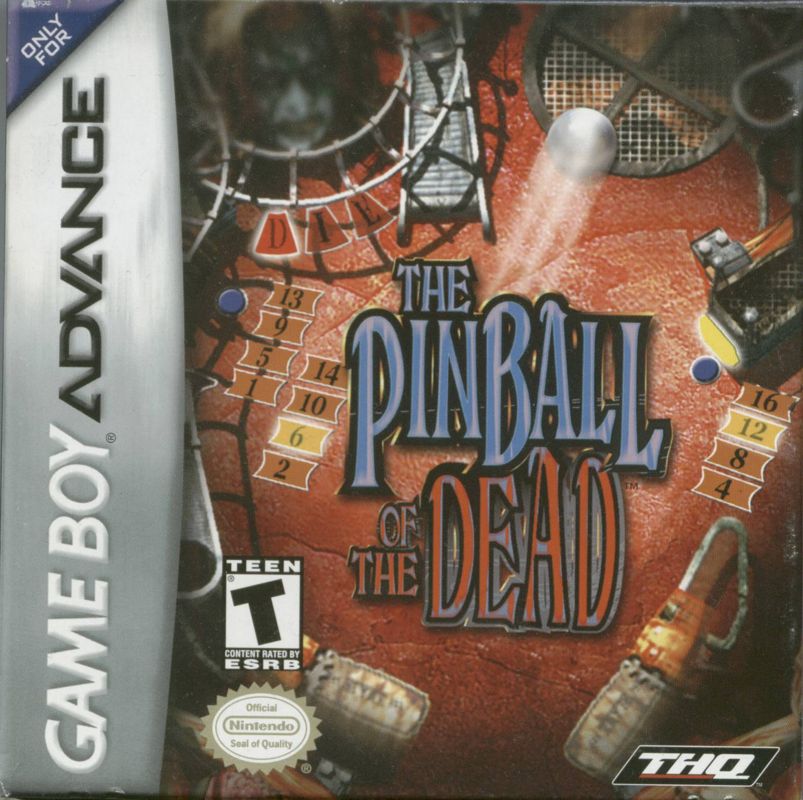
.png)
.png)
_1.png)