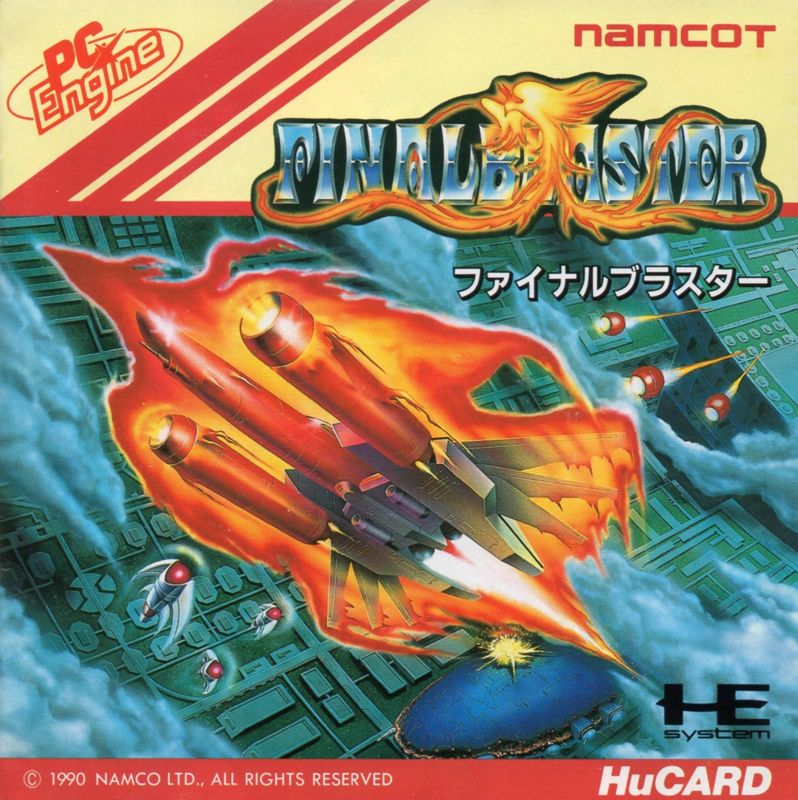
Aisystem Tokyo co-developed the PC Engine shoot 'em up Final Blaster with Namco and developed Uchuu Senkan Gomora (Bio-Ship Paladin) for the Mega Drive. The studio was also responsible for porting several prominent Taito arcade titles to home consoles, including Rainbow Islands Extra, Thunder Fox, and The New Zealand Story.
Active during the late 1980s and early 1990s, the developer established its technical reputation by translating complex arcade architectures to home systems. An early project,
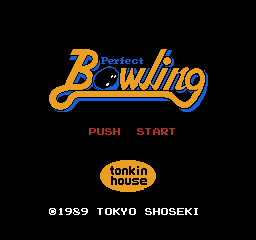
Perfect Bowling (1989) for the MSX2, demonstrated the studio's ability to deliver precise sports simulations on 8-bit hardware. This project showcased the team's coding capabilities prior to their transition to 16-bit Sega hardware.
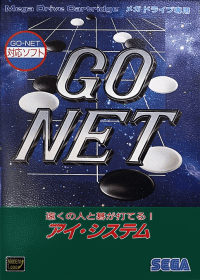
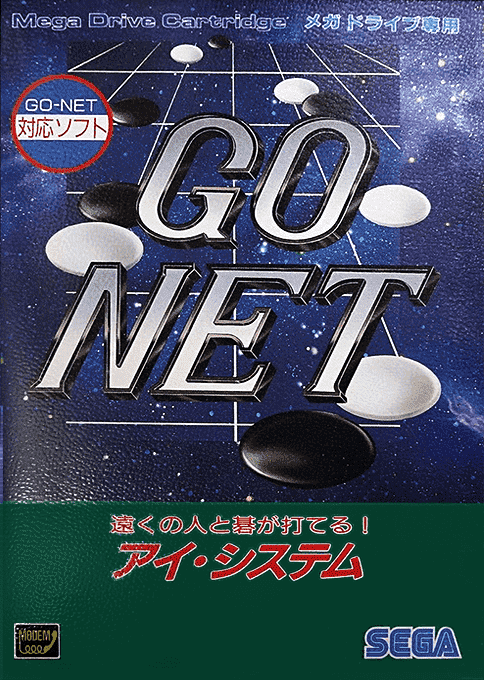
Beyond standard action ports, the company contributed to early network gaming infrastructure in Japan. The studio developed
Go Net (1992) for the Sega Mega Drive, a specialized cartridge and modem-based service that allowed users to play the board game Go against remote opponents, representing a pioneering step in console telecommunications.
The developer's output on the Mega Drive also included faithful adaptations of challenging arcade titles. Their work on
Rainbow Islands Extra (1990) preserved the intricate physics and hidden mechanics of the original, while their conversions of
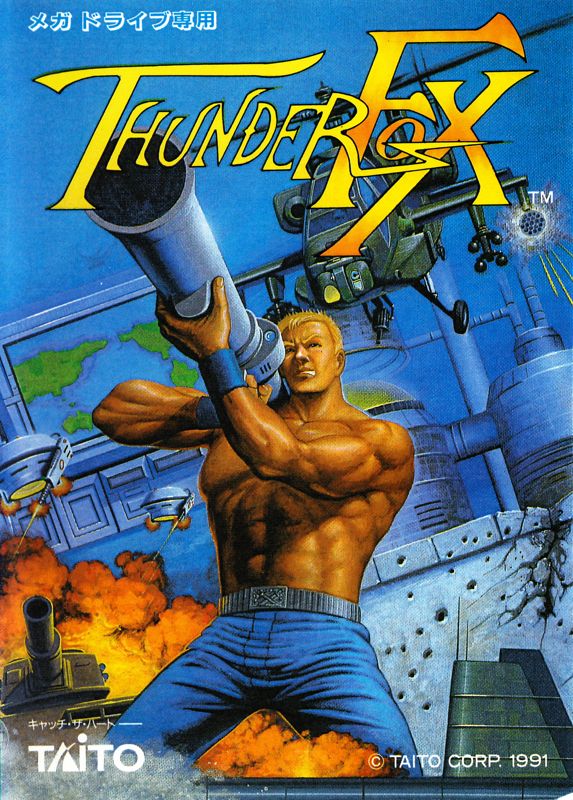
Thunder Fox (1991) and
The New Zealand Story (1991) adapted Taito's distinct visual styles for home audiences. Through
Uchuu Senkan Gomora (1991), they successfully translated UPL's unique horizontal shoot 'em up mechanics to the Sega console, cementing their legacy as a versatile technical partner during the 16-bit era.
.png)
.png)
.png)
_1.png)
_1.png)
.png)
_1.png)
.png)
.png)
.png)


.png)







.png)

_1.png)
.png)
.png)




.png)
.png)
_1.png)

_1.png)
.png)


.png)


.png)

.png)


.png)