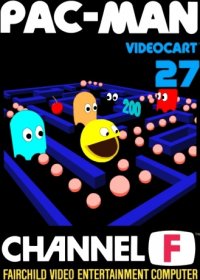
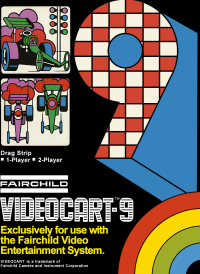
Fairchild Camera and Instrument developed the Fairchild Channel F, the first programmable ROM cartridge video game console. They developed and published the system's early library of 'Videocart' cartridges, including Videocart-1, Videocart-2, Videocart-3, Videocart-9, Videocart-14, and Videocart-15. These titles introduced home players to early digital versions of blackjack, drag racing, and educational games.
Under the leadership of engineer Jerry Lawson, the development team utilized the Fairchild F8 microprocessor to program these pioneering releases.
Videocart-1 (1976) showcased the system's color capabilities through programs like
Tic-Tac-Toe and the generative art tool
Quadra-Doodle. For
Videocart-2 (1976), developers created the tactical combat simulations
Desert Fox and
Torpedo.
To expand the library, the company released
Videocart-3 (1976) (also cataloged as
Videocart 3) and
Videocart-9 (1976) (or
Videocart 9), which utilized the console's unique hand controllers featuring eight-way movement and twisting actions. Later releases like
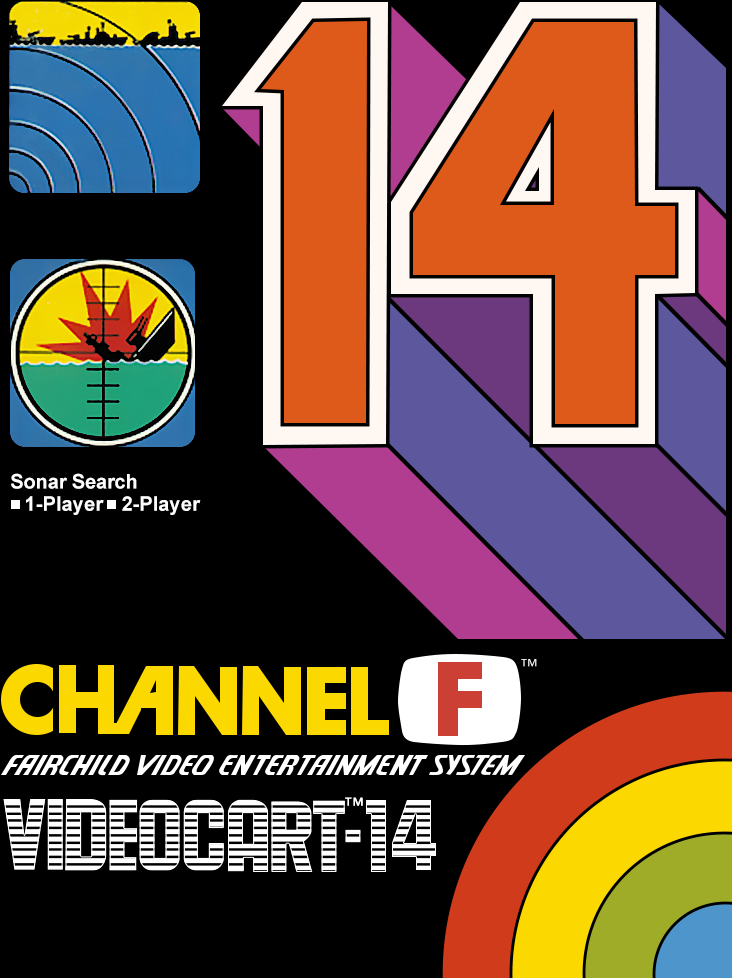
Videocart-14 (1977) and
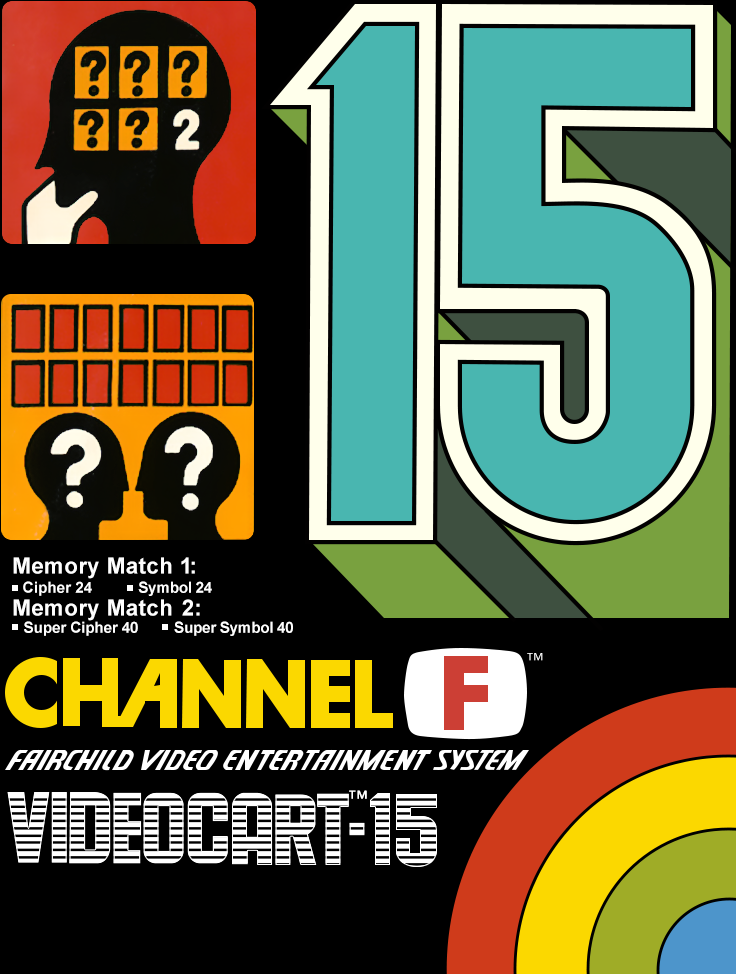
Videocart-15 (1977) introduced strategic sonar deduction and memory-matching mechanics to home audiences.
Despite these software innovations, intense market competition from newer systems led the company to sell its video game assets to Zircon International in 1979. The design framework established by this initial lineup of cartridges laid the groundwork for the standardized, cartridge-based software distribution model that defined the second generation of video game consoles.
Fairchild Camera and Instrument Corp.
_1.png)
_1.jpg)
_1.jpg)
_1.jpg)


_1.png)