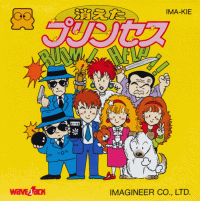
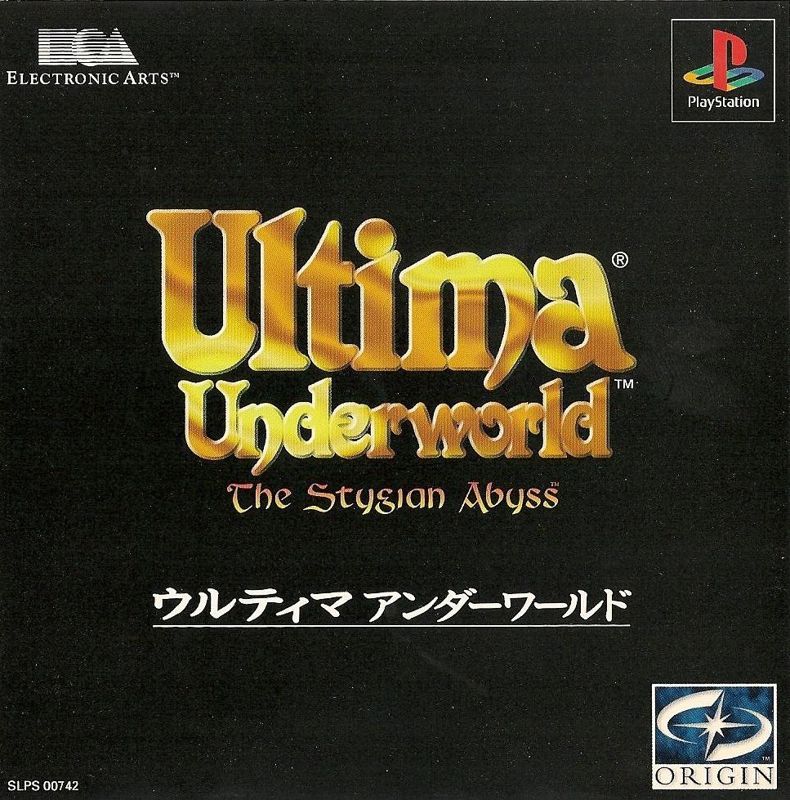
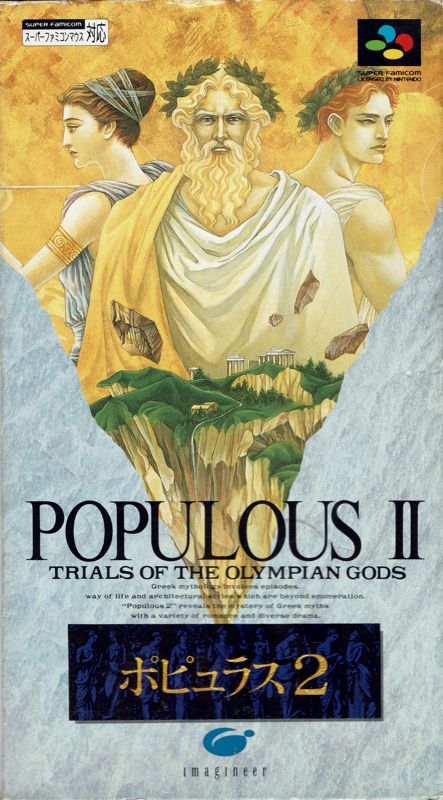
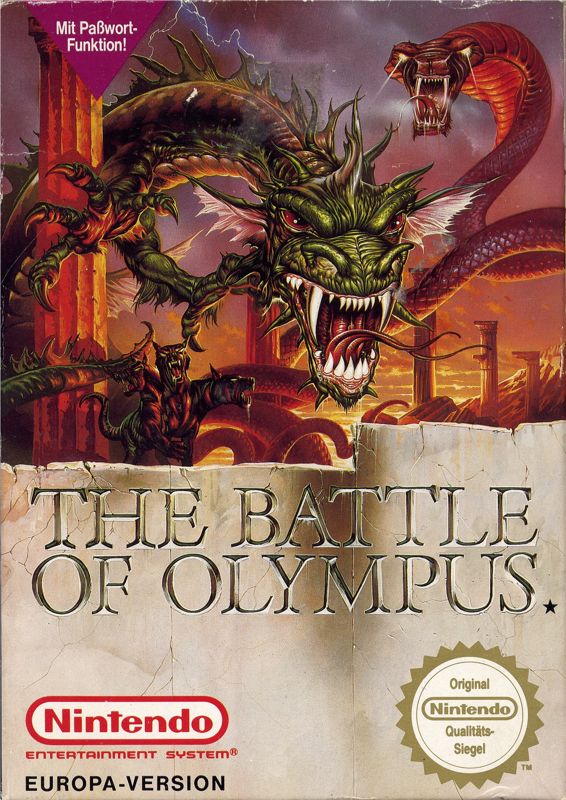
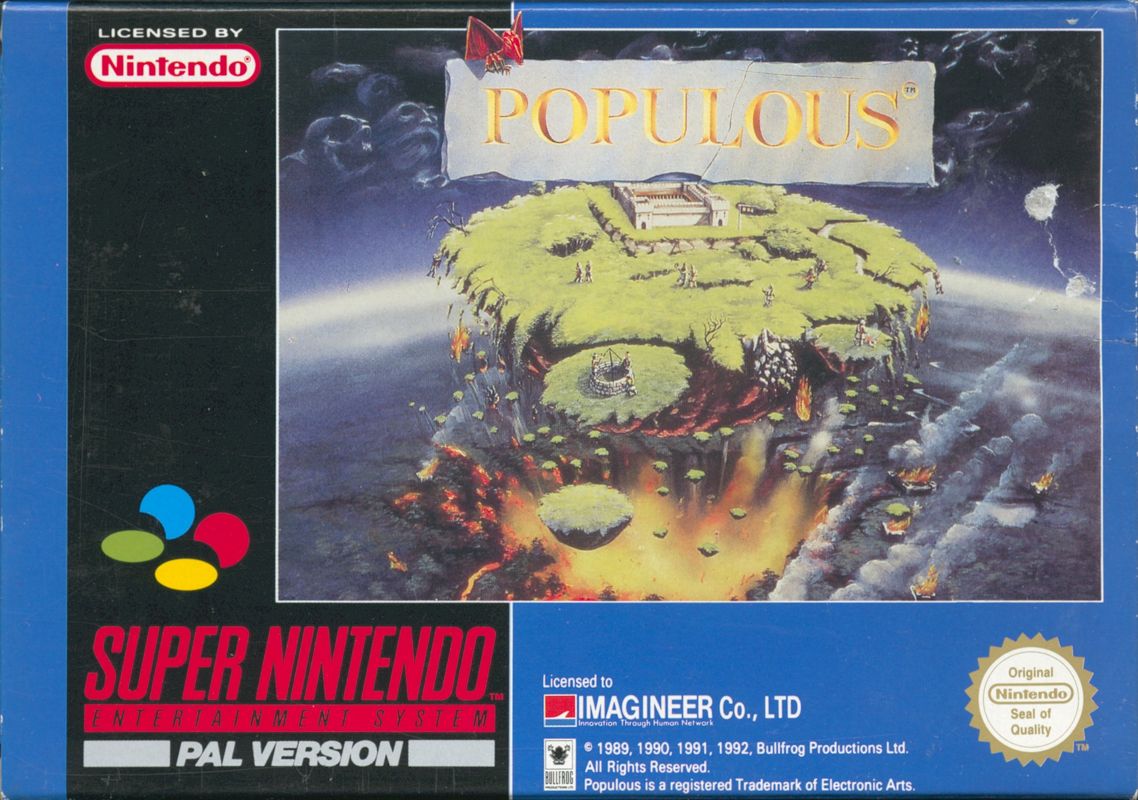
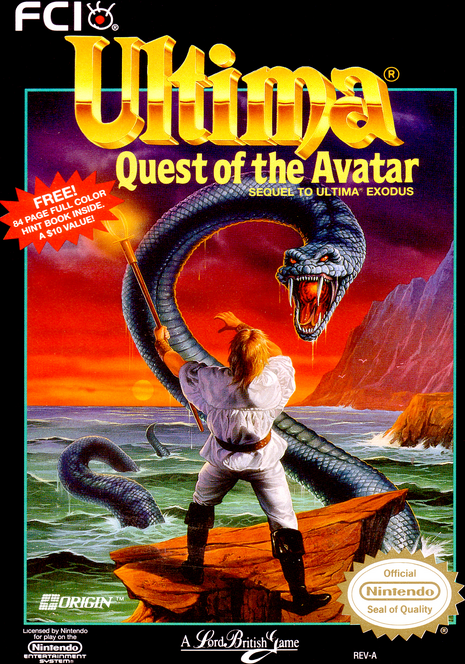
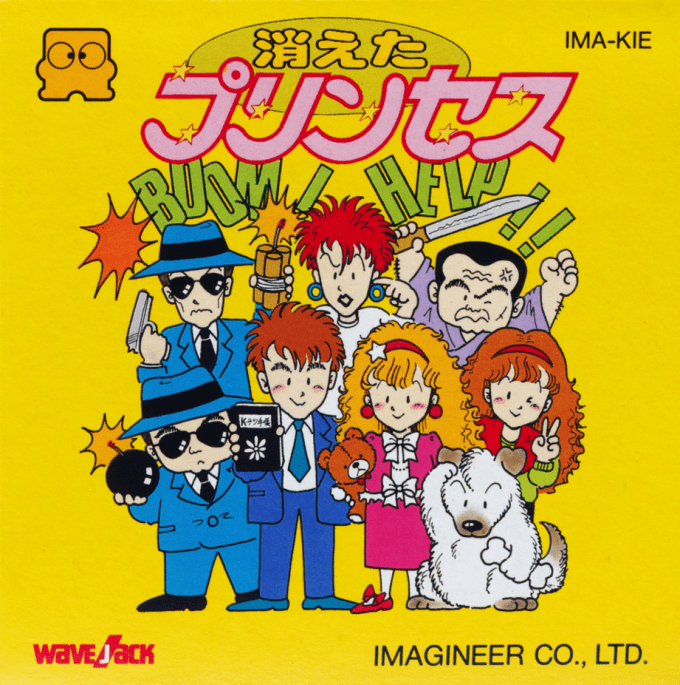
Infinity developed the action-adventure game Kieta Princess and the mythological action-RPG Olympus no Tatakai (released internationally as The Battle of Olympus). The studio was also responsible for the Famicom and NES adaptations of Ultima: Seija e no Michi (Ultima: Quest of the Avatar), as well as Japanese console ports of Bullfrog's Populous and Populous II: Trials of the Olympian Gods.
Operating primarily during the 8-bit and 16-bit eras, the developer established a strong partnership with publisher Imagineer to localize and adapt complex Western computer games for the Japanese console market. This technical niche required translating intricate keyboard-and-mouse interfaces into intuitive controller schemes. For
Ultima: Quest of the Avatar, the team significantly overhauled the original PC game's visual style and mechanics, replacing the Western computer aesthetic with anime-style character portraits and a gameplay flow more familiar to Japanese console role-playing game players.
In adapting the
Populous series, the studio successfully optimized demanding real-time simulation algorithms to run smoothly on the Super Famicom and PC Engine hardware. When creating original intellectual property, the developer drew heavy inspiration from contemporary side-scrolling action-adventures.
The Battle of Olympus utilized a game engine similar to
Zelda II: The Adventure of Link, featuring interconnected metroidvania-style exploration and a password save system. Through these projects, the studio bridged the gap between Western computer gaming and Japanese console design, demonstrating a versatile capability in both faithful porting and creative adaptation.
_1.png)
.png)

.png)
.png)








.png)




_1.png)





.png)

.png)