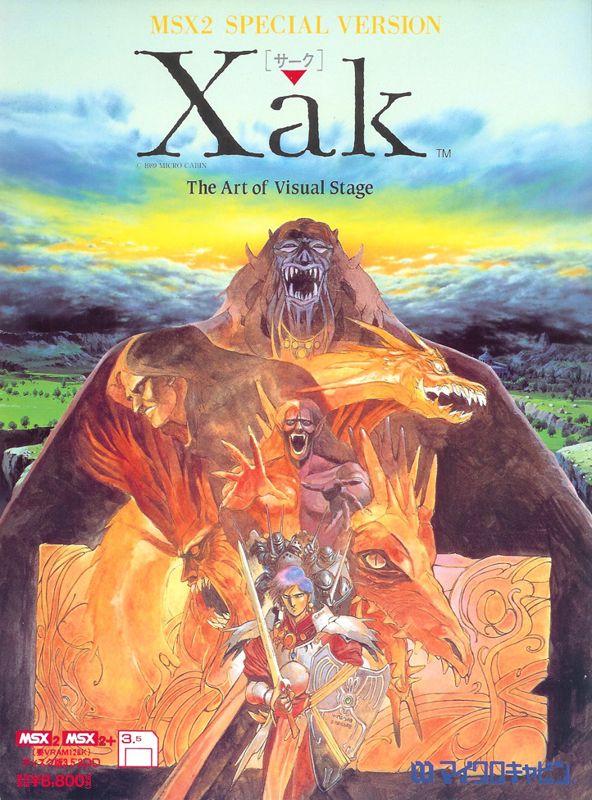
Founded in 1981, Micro Cabin Corp. developed early titles like Pico Pico and Diamond Adventure before finding success with adventure games like Maison Ikkoku. They are highly regarded for their role-playing game series Xak, including Xak: The Art of Visual Stage and Xak II, as well as the spin-off Lucienne's Quest.
Initially focusing on Japanese home computers like the MSX, PC-8801, and PC-9801, the developer pushed technical boundaries in narrative and visual presentation. The early text-and-graphics titles
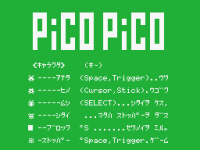
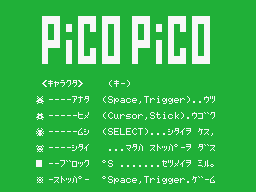
Pico Pico (1983) and
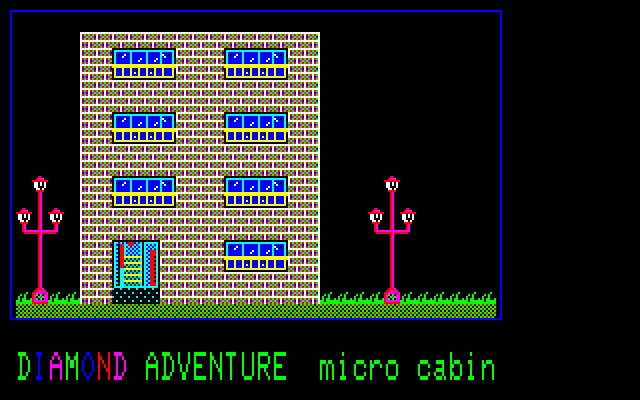
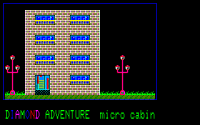
Diamond Adventure (1983) established their foundational programming techniques. This expertise facilitated the adaptation of popular manga into interactive media, resulting in three distinct releases of
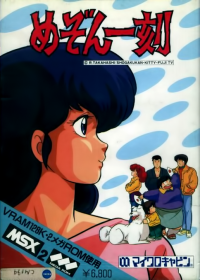
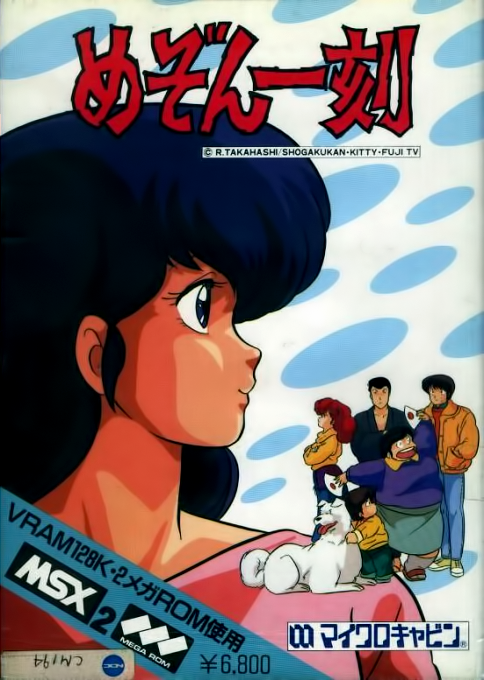
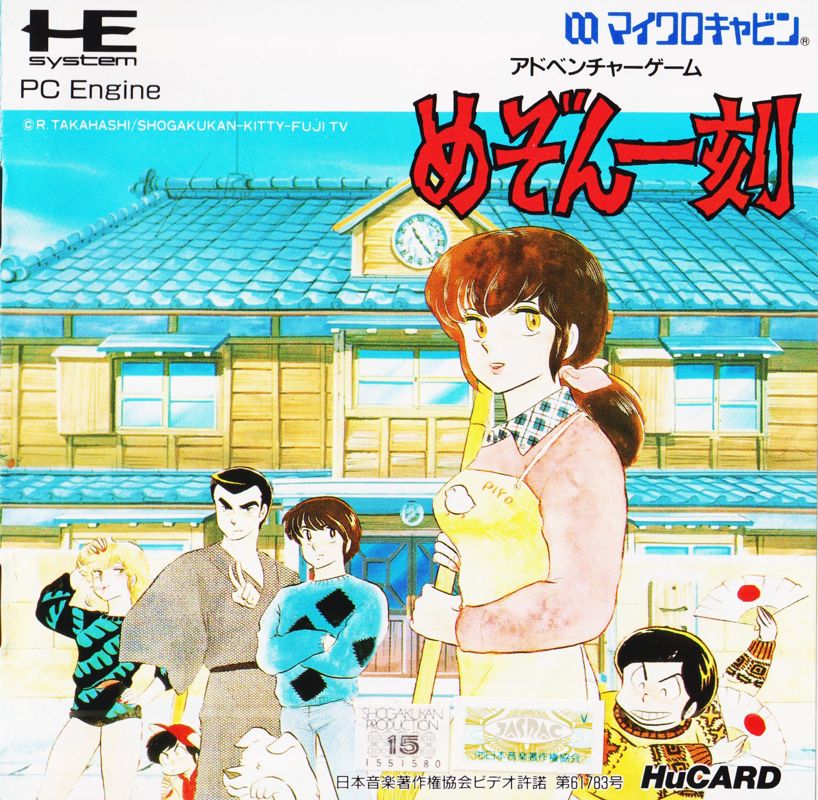
Maison Ikkoku in 1987, 1988, and 1989 across various computer formats, which refined their adventure game engine.
The developer's technological progression culminated in the
Lucienne's Quest franchise, anchored by the real-time hack-and-slash mechanics of
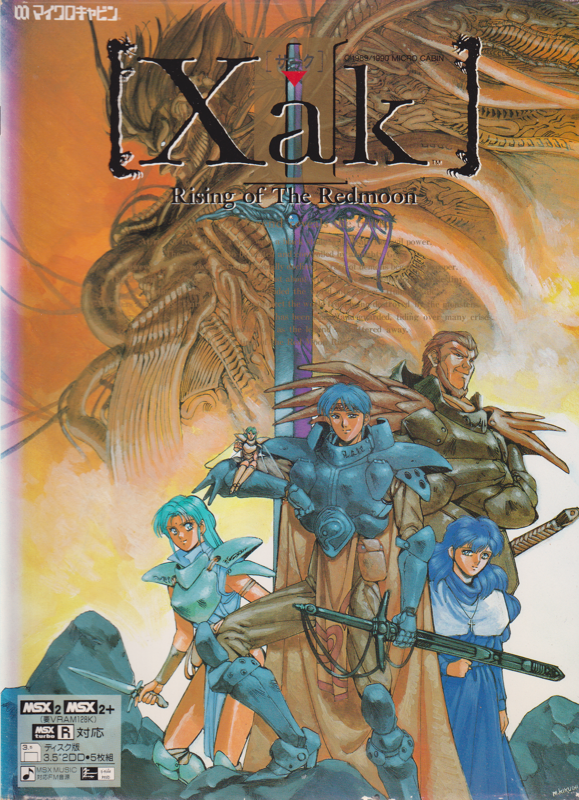
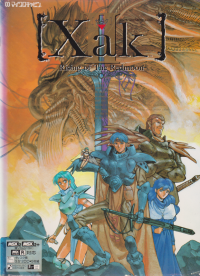
Xak: The Art of Visual Stage (1989) and its sequel
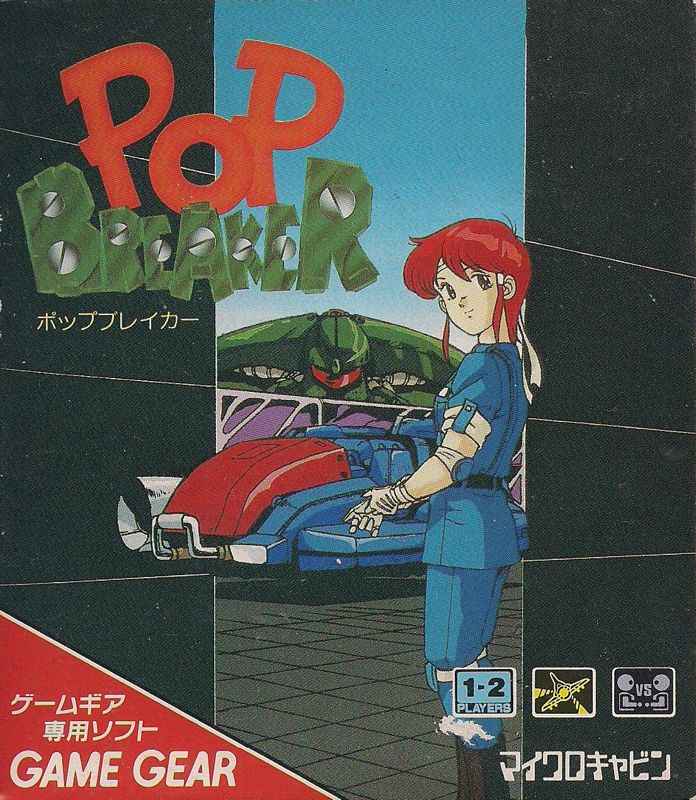
Xak II: Rising of the Redmoon (1990). These titles introduced visual features like multi-directional scrolling and detailed character sprites. The franchise expanded further with the Game Gear release
Pop Breaker (1991), showcasing the studio's versatility in handheld puzzle-action design. Through these interconnected releases, the studio cemented its legacy as a pioneer in blending complex role-playing systems with cinematic storytelling.
.png)


.png)
.png)





.png)





.png)






.png)