Collaborating closely with publishers like Sega and Electronic Arts, the developer specialized in downscaling complex gameplay systems for hardware with limited processing power. For the
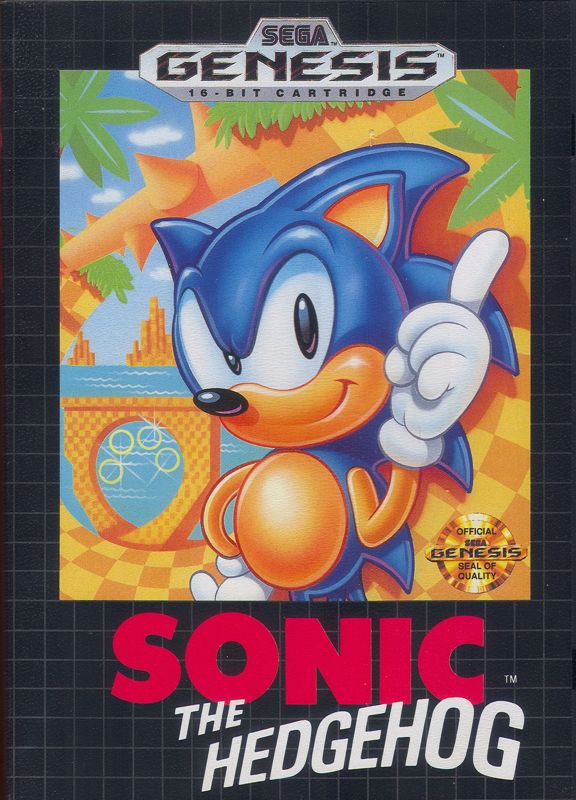
Sonic the Hedgehog franchise, this involved translating high-speed physics and sprawling level layouts into a tighter, screen-constrained format. The resulting 8-bit iteration introduced unique zones and mechanics, such as the dynamic scrolling in the Bridge Zone, which differed significantly from the Genesis original. This version saw various regional distributions, including specialized Canadian packaging and eventual budget re-releases under the Sega Classic label.
In the sports genre, adapting the
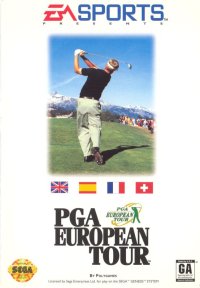
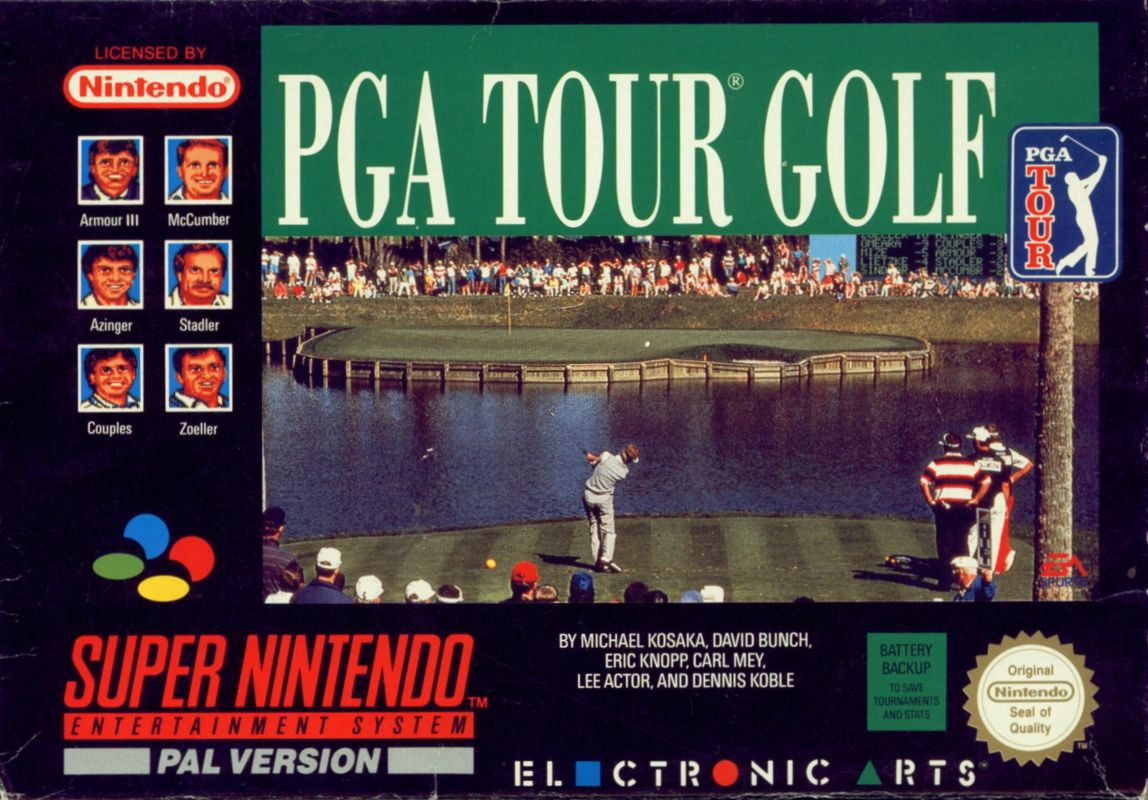
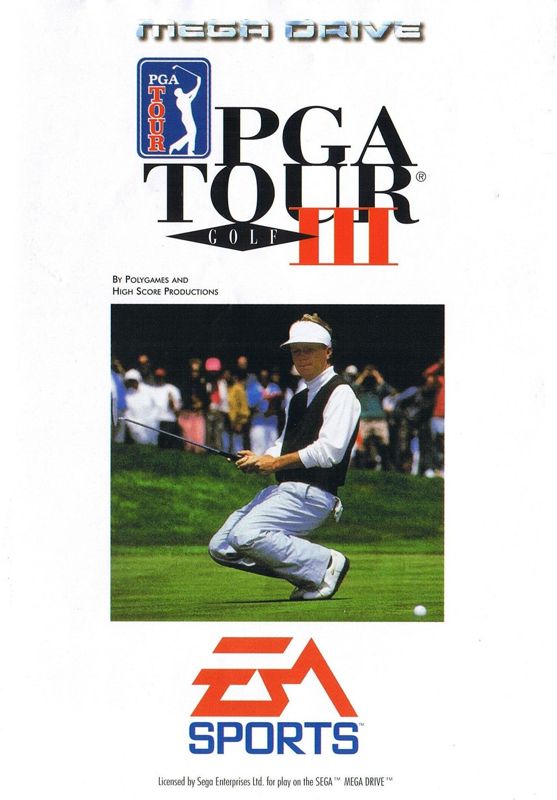
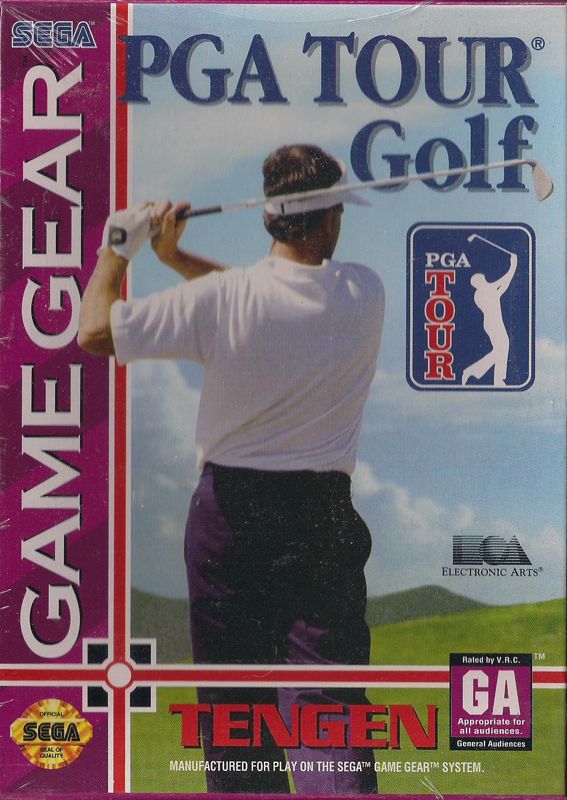
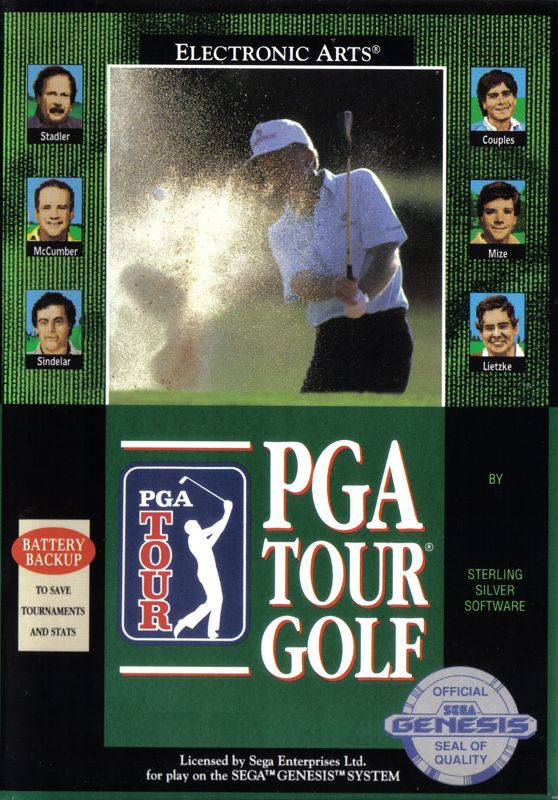
PGA Tour Golf series demanded creative programming to simulate realistic ball physics and three-dimensional course perspectives. The translation of
PGA Tour Golf and its sequel,
PGA Tour Golf II, preserved the strategic club selection, wind calculations, and grid-based putting greens of their larger console counterparts. By successfully squeezing these detailed simulations and iconic mascot platformers into compact cartridge formats, the studio played a vital role in expanding the reach of both Sega and Electronic Arts intellectual properties during the early 1990s.







.png)

.png)