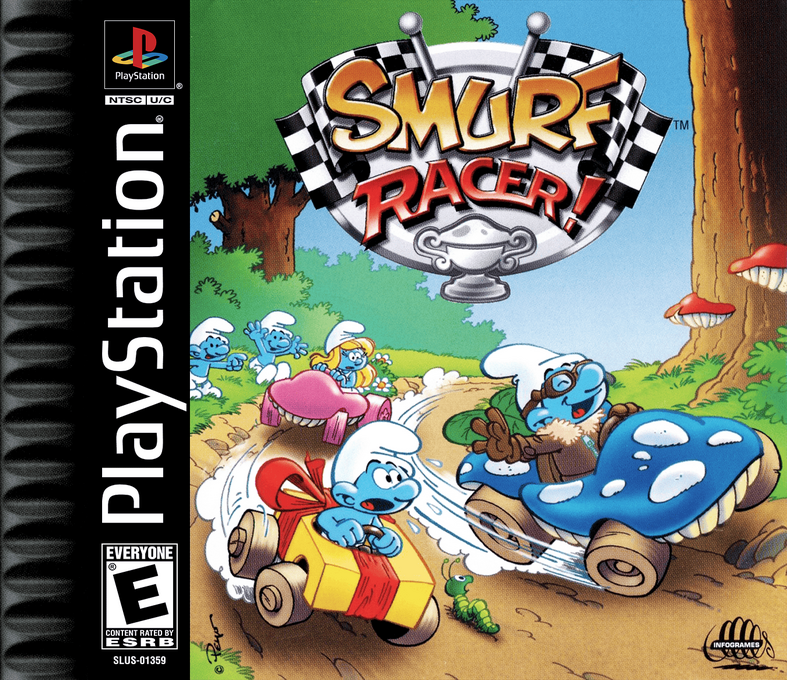
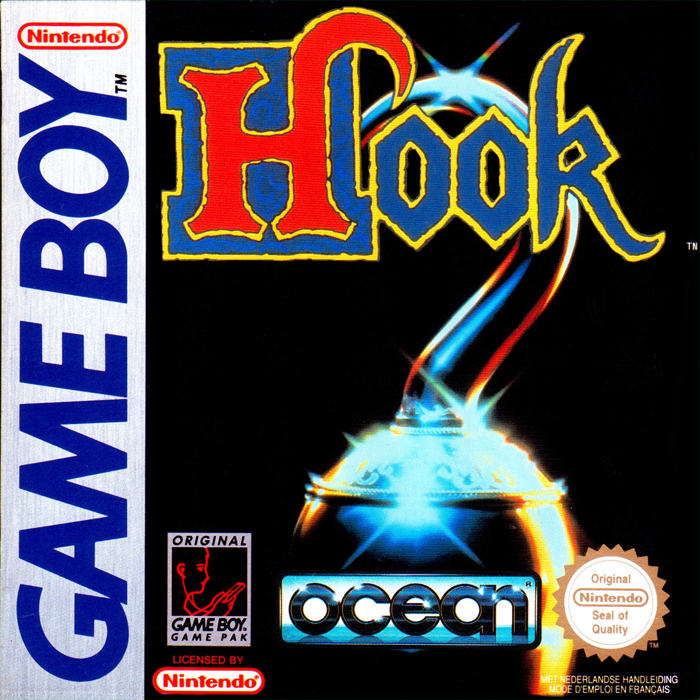
In the side-scrolling action game Hook (1992), cakes appear as food items that restore the player's health. Within the simulation game Harvest Moon (1999), cake is a sweet dish that can be baked or purchased to restore stamina and give as gifts to villagers. In the racing game Smurf Racer (2001), cakes serve as collectible items or power-ups on the race tracks.
In the broader context of these releases, the depiction of cakes evolved alongside hardware capabilities. The 1992 adaptation of
Hook utilized detailed 16-bit pixel art to render the dessert, placing it within chest containers and behind breakable walls throughout the fantasy-themed levels. This established the item as a reward for thorough exploration.
By the release of
Harvest Moon in 1999, the item transitioned into an interactive mechanic tied to the title's agricultural economy. Players must gather raw ingredients such as eggs, flour, and butter, utilizing the home kitchen upgrade system to prepare the dish. This integration emphasized resource management, as the item's utility shifted from simple consumption to facilitating social progression and participating in seasonal cooking festivals.
With
Smurf Racer in 2001, the item adapted to a three-dimensional racing environment. Modeled as vibrant, floating assets, these confections were strategically placed along the tracks to influence player routing and navigation. Across these titles, the item serves as a design bridge, transitioning from a static environmental sprite to a complex craftable asset and a dynamic spatial marker.


 (SGB Enhanced) (GB Compatible).png)


 (SGB Enhanced) (GB Compatible).png)