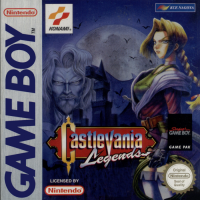
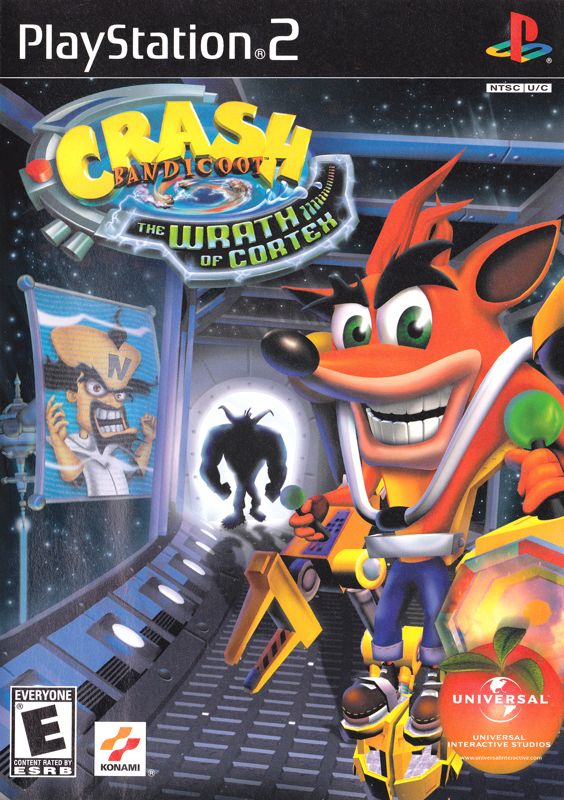
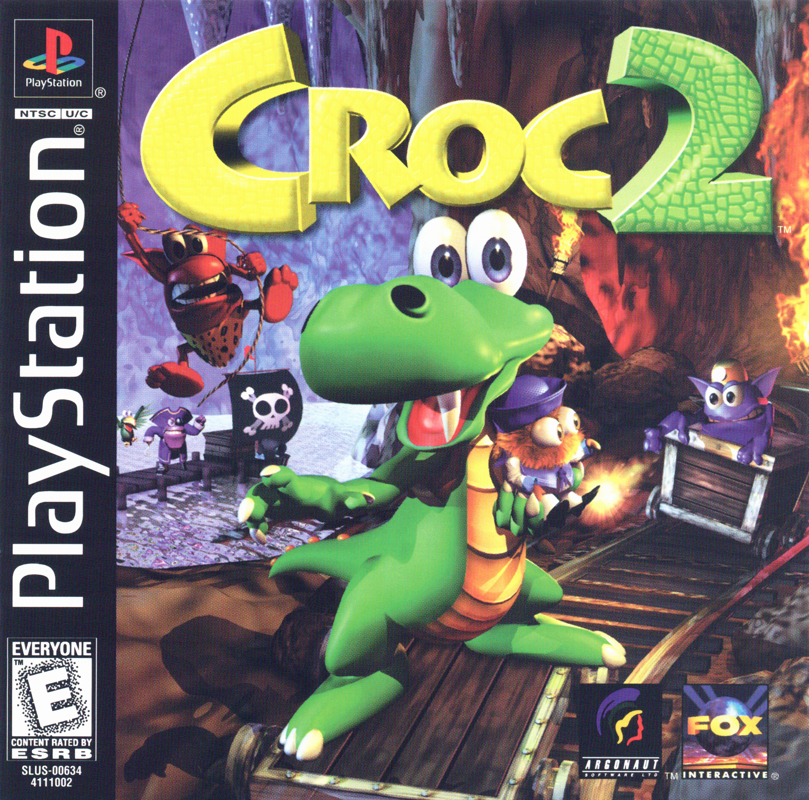
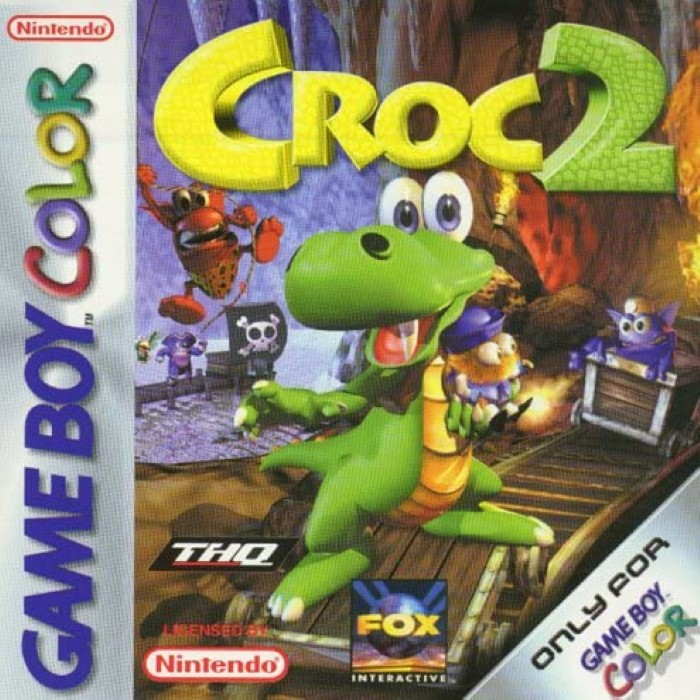
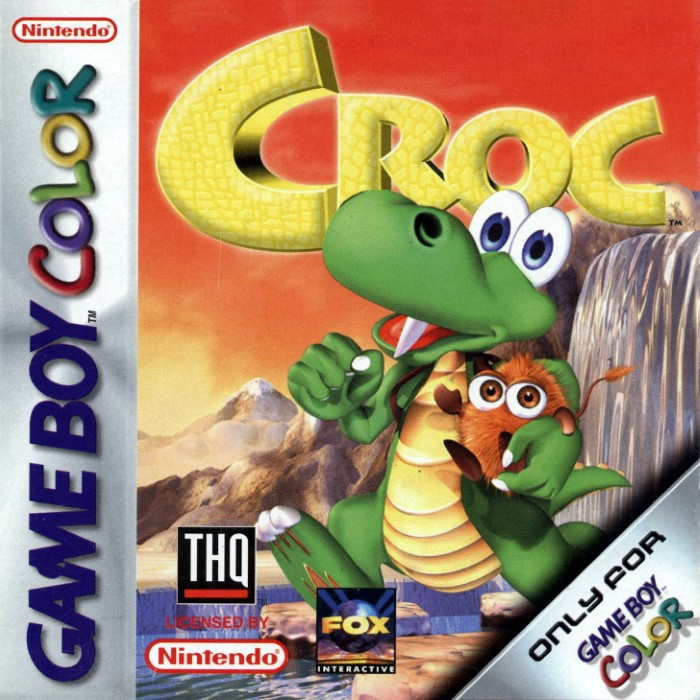
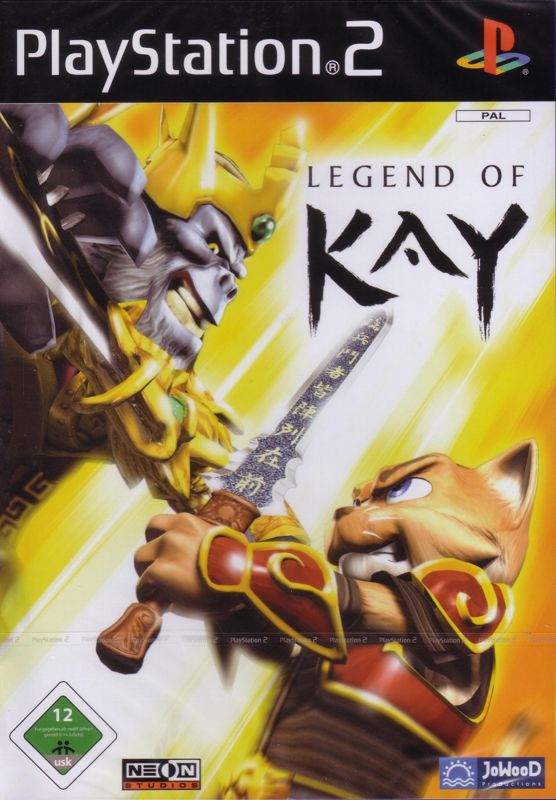
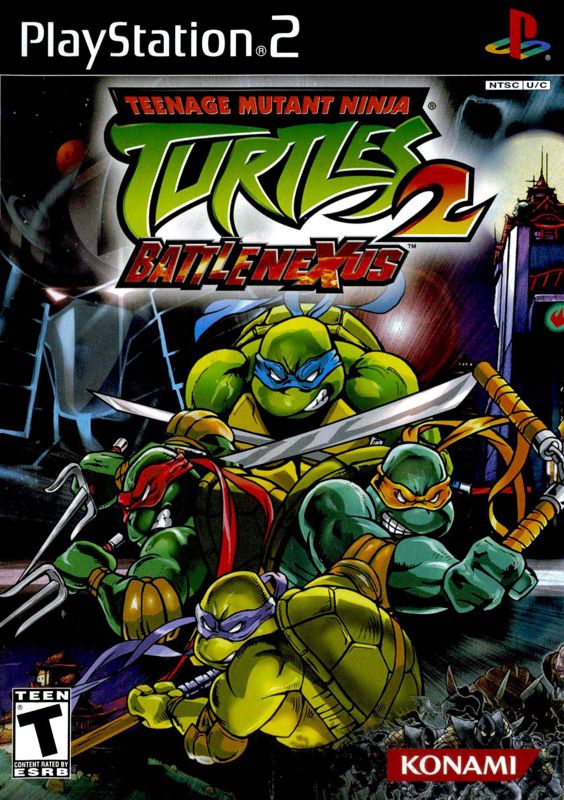
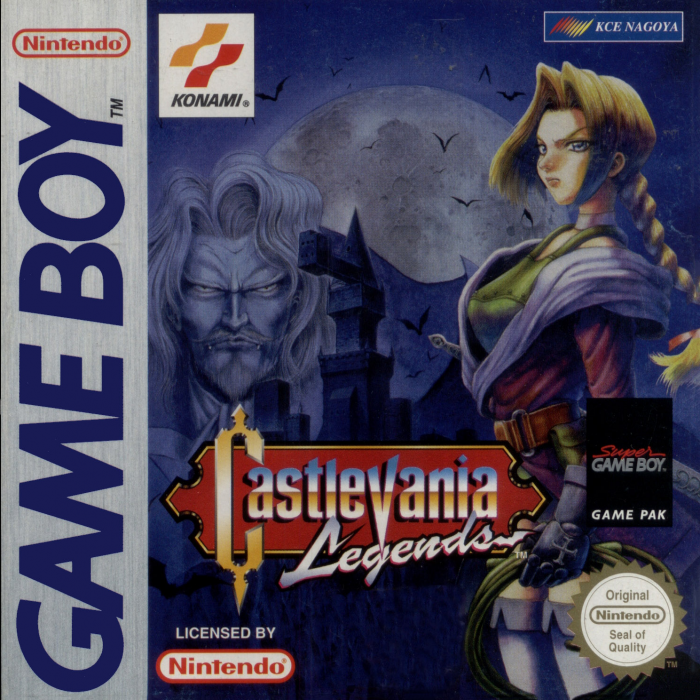
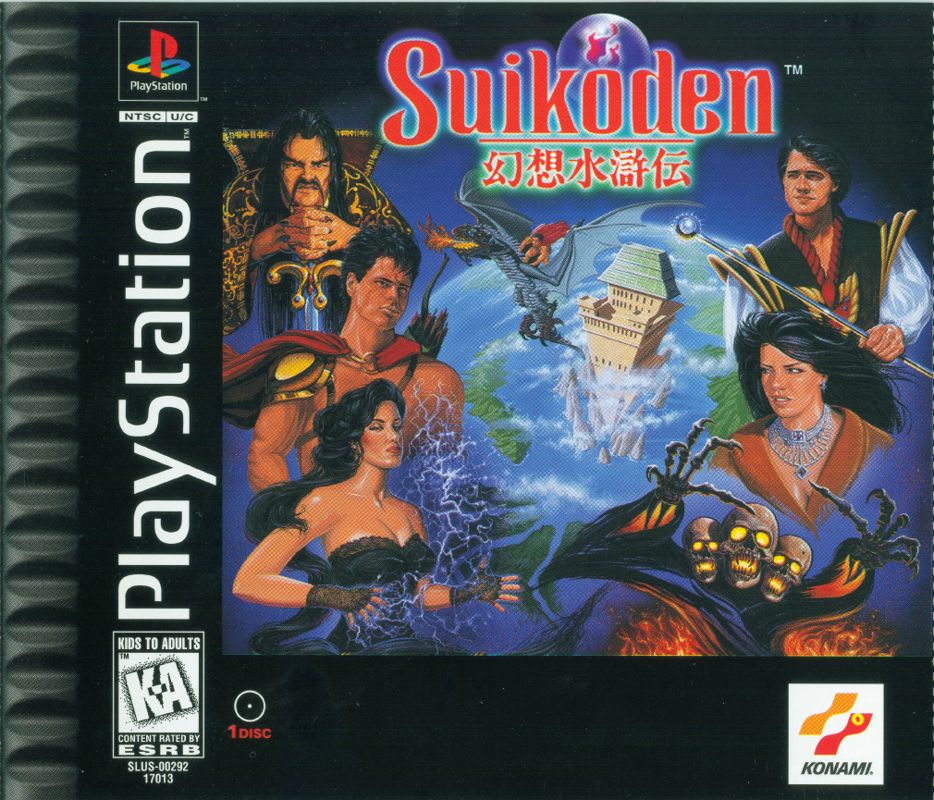
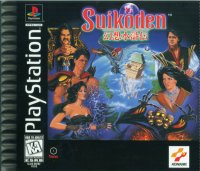
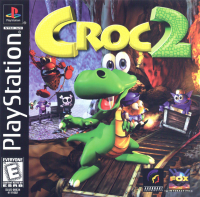
In games like Croc 2, Kao the Kangaroo Round 2, and Legend of Kay, crystals serve as vital collectible items used for currency, unlocking levels, or achieving high scores. In Teenage Mutant Ninja Turtles 2: Battle Nexus, finding hidden crystals allows players to unlock various bonuses and secrets. Meanwhile, in titles like Suikoden and Castlevania Legends, crystals function as essential magical items or power-ups that enhance the player's abilities.
During the late 1990s and early 2000s, the integration of these crystalline items became a staple design choice across major platforming and action-adventure intellectual properties, notably within the
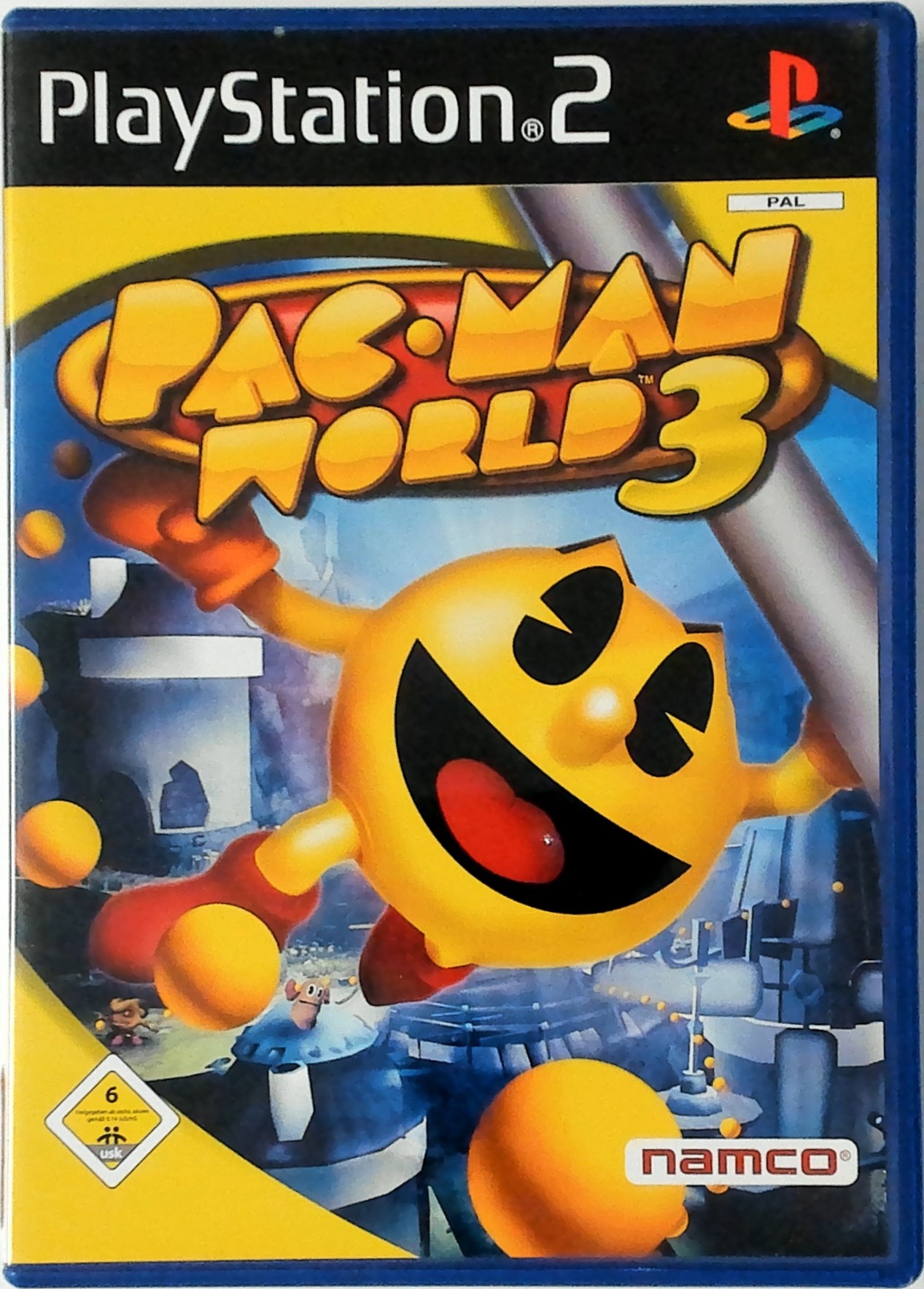
Pac-Man World and
Teenage Mutant Ninja Turtles franchises. In
Duke Nukem: Time to Kill (1998), crystals are utilized as temporal fuel sources required to power time-travel portals, driving the game's central narrative. Similarly, the adaptation of
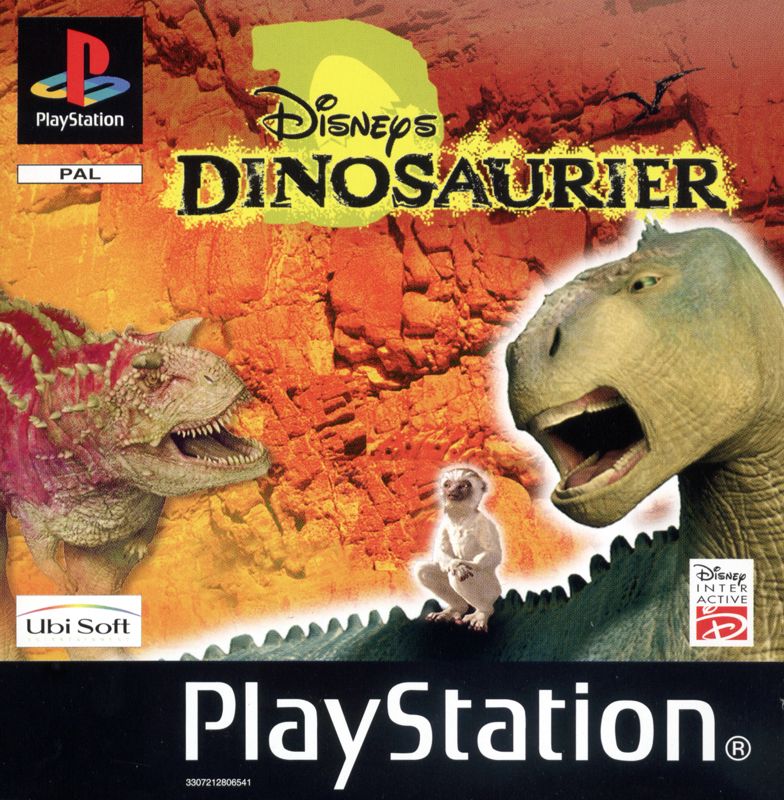
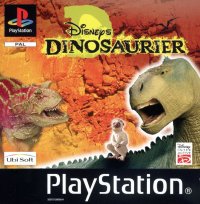
Disney's Dinosaur (2000) incorporates them into prehistoric environments to guide player progression through hazardous terrain.
The mechanical implementation of these items evolved alongside 3D game design. In
Suikoden (1996), they represent the physical vessels of Runes before they are embedded into characters, serving as a cornerstone of the RPG's magic system. For handheld titles like
Castlevania Legends (1998), they provide permanent sub-weapon upgrades upon defeating stage bosses. Within the
Teenage Mutant Ninja Turtles franchise, specifically
Teenage Mutant Ninja Turtles 2: Battle Nexus (2000), the search for these objects encourages thorough exploration of non-linear levels, establishing a legacy of completionist gameplay that influenced subsequent entries in the genre.
.png)
.png)









.png)
.png)